
How to Start an Online Store

Disclosure: This content is reader-supported, which means if you click on some of our links that we may earn a commission.

Online shopping is hotter than it has ever been, and I don’t think it’s going to slow down. If you’re planning to start an online store, your timing couldn’t be better.

Yes, a lot of people are trying to get into ecommerce right now, but that shouldn’t stop you. Many of the most successful online stores were only founded a few years ago.

The sooner you take the initial step, the faster you can build your brand and grow your business.

In this post, I’ll give you a step-by-step guide that shows you how to start an online store. You can go from zero to your first sale with as few mistakes as possible.

Your 2-Minute Cheat Sheet

Want to skip the details and get a quick cheat sheet? Here you go.

You have to decide what you want to sell and how you’re going to get the products. And while you’re at it, you must also consider the product’s prices, your target audience, and whether or not there is an audience for your product.

After all, why would you want to sell a product nobody wants to buy?

You can choose a product that metaphorically “scratches your own itch.” Or you can also consider buying a product that already exists, improving it, and then doing a better job of marketing it. This is sometimes known as dropshipping.

I would personally recommend the second option for first-time entrepreneurs as it considerably lowers the risk out of selling.
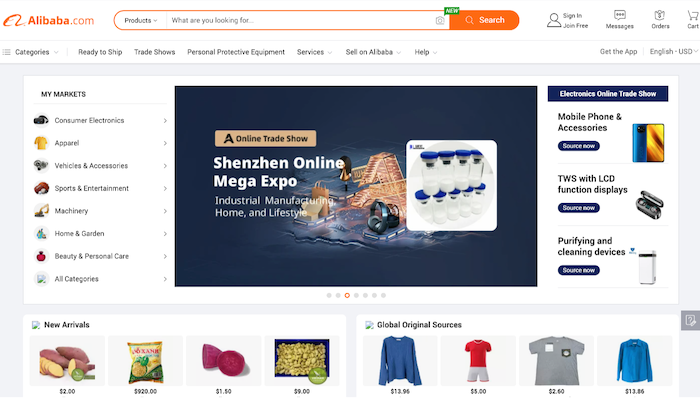
If you agree, head over to Alibaba.com to find suppliers for your chosen product. While Alibaba is one of the more popular marketplaces, it doesn’t mean that there aren’t frauds on the platform.

To make sure you deal with genuine suppliers only, look for the Gold Supplier icon. This indicates that a particular supplier has signed up for a paid membership. Therefore, it’s less likely for any fraud to have the Gold Supplier icon on their profile.

If you decide to go forward with the supplier, make sure you order sample products to determine the quality you should expect. Don’t forget to discuss payment terms and other details so that you and the supplier are on the same page.

With the products in place, you’ll have to figure out a good name for your brand and check whether a domain name is available.

Buying a domain name is easy. Getting the domain name of your dreams can take more time.

Consider your domain name as a long-term investment, and try to come up with the best you can. Here are some strategies to use if the domain name you want is unavailable.

Next up, you have to set up your online store platform. Consider selling your products on either Shopify or Amazon—both are equally good.

Finally, work on optimizing your site by including targeted keywords in your product descriptions. This is an excellent way to drive more organic traffic to your website rather than partaking in more cumbersome marketing strategies.

If I’m honest, though, you’ll still need to look for other ways to promote your shop, such as on social media platforms like Facebook and Twitter.

Okay, let’s run through each step in more detail. Feel free to skip ahead if you’ve completed the early steps:

  1. Figure Out Your Niche
  2. Source Products From Alibaba
  3. Pick a Name for Your Brand and Get a Domain
  4. Set up Your Online Store Platform
  5. Optimize Your Site

Step 1: Figure Out Your Niche

Since you’re going to set up an online store, you’ll need a product. The very first thing you should do is decide what you’re going to sell and who you’re selling it to. 

Many first-time entrepreneurs make the mistake of not putting enough thought into deciding their niche, which includes the product’s price, the audience to whom the product is aimed, and the market opportunity.

Don’t make this mistake. 

Always remember your product matters the most—both in terms of quality and relevance. You have two options here: you can either create something you need or source something from elsewhere, make it better, and then market it.

I’ll recommend choosing a niche that isn’t already dominated by a few brands. 

Let me explain this with the help of two scenarios.

  • Scenario 1: Your headphones stop working. You want to replace it, so what do you do?

You‘ll either place an order online from sites like Sony, Bose, or Beats. Or maybe visit the physical stores of these brands.

  • Scenario 2: You’ve moved into a new house when you realize that you want decorative lights for your bedroom.

You’ll likely Google “decorative lights for bedrooms“ or “buy decorative lights with free shipping.” 

Do you see the difference in your behavior?

Niches dominated by a few brands aren’t really profitable for first-timers. Trust me, customers don’t even think about alternatives as their brand loyalty kicks in almost immediately. 

Instead, it’s much better to stick with niches and products that don’t have a couple of specific brand names associated with them.

You can also use Amazon to check out the competitors in your niche. Try to identify common features that could help you improve your product.

For instance, you can have thick paper notebooks or reinforced steel for bottles. Basically, stuff that will help improve the quality of effectiveness of your products.

Next, you’ll need to work on sourcing the products.

Step 2: Source Products From Alibaba 

Alibaba.com is one of the most popular marketplaces when it comes to sourcing products. Many people in the ecommerce industry already use this site, so it makes perfect sense for you to source your products on this platform, too.

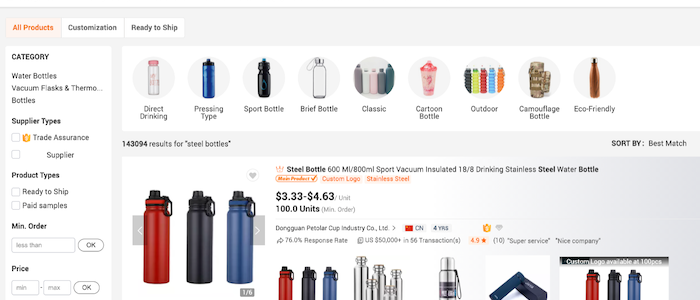
But how do you go about this? Let’s assume you want to sell steel bottles.

Search for “steel bottles.” You’ll now see a list of suppliers selling all kinds of steel bottles at different prices.

Next, you’ll have to contact a few of them to see whether they would be a good match for you. You first need to figure out your requirements before you get in touch with them. Otherwise, you’ll be wasting everyone’s time.

The way to distinguish genuine sellers from frauds is to look for the Gold Supplier mark. Gold Supplier is a paid membership for suppliers on Alibaba.com, which indicates that the business is serious about trading with other international companies. 

Take a look at this screenshot:
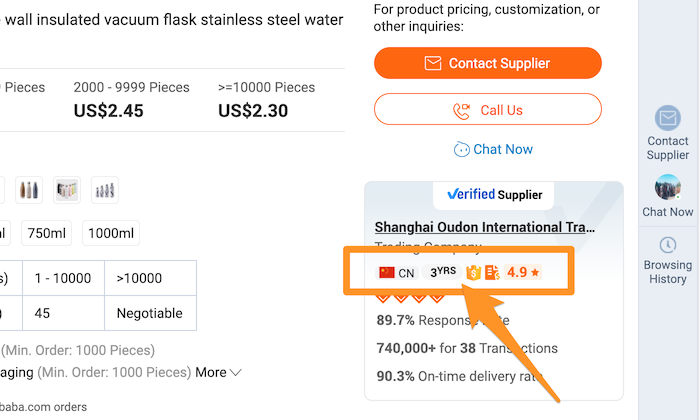
It shows that this particular supplier has been a Gold Supplier for three years. Since they have to pay for this recognition, you can be sure that they will be serious when negotiating with you.

You must discuss payment terms and minimums and other things so that every detail is explicitly clear to avoid misunderstandings in the future. I’d also recommend ordering sample products before you place a big order to get a better idea of what you’re going to get and the shipping times.

Step 3: Pick a Name for Your Brand and Get a Domain 

Now comes the exciting—and at times frustrating—part of starting an online store: Choosing an appropriate name.

Once you start looking for options, you’ll realize how the best names have already been trademarked and website domains already registered. 

It’s like hitting one dead end after another!

But don’t give in just yet, as finding a good name is an effort well worth the pain (and tears).

Here’s a quick checklist you should follow:

  • It should be easy to spell and concise – three words or shorter.
  • It should have a .com domain
  • It must reflect your chosen niche
  • It cannot be already trademarked by other people—the legal hassle is costly and very troubling.

Take my domain as an example. NeilPatel.com is short, concise, and reflects my brand. You do not have to use your name. That was just a choice that was right for me.
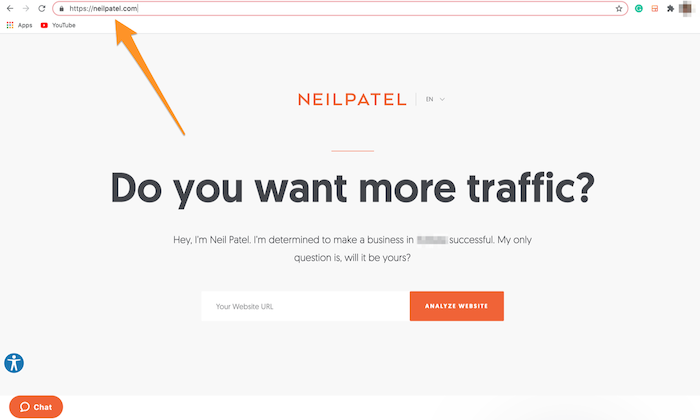
The good news is there’s an option for you to get a domain without having to pay the registration fee. Most web hosting services offer users a free domain—provided you choose a company that provides this feature like Bluehost or Wix.

I highly recommend this method, as you get free .com domains with full ownership that’ll make you look more professional and credible to your visitors. Plus, if you’re already going to purchase a web hosting plan, why not select an option that offers you a free domain?

Purchasing a web hosting plan, typically as a one, two, or three-year contract, is necessary. Think of the free domain as a bonus to your investment.

The next crucial step is setting up your ecommerce store on a platform that’s easy to use and offers good customer support. 

Step 4: Set up Your Online Store Platform

Shopify and Amazon are two of the most popular and user-friendly e-commerce sites.

You can also use WordPress + WooCommerce if you want. But that’s best for times when you already have a blog with a large audience. This way, you won’t have to put in an extra effort to drive traffic to your ecommerce store. 

Option #1 Setting Up Your Shopify Account

Shopify has over 218 million buyers from 175 countries. So you can imagine the number of people who trust this ecommerce site.

You can start the 14-day free trial to get a feel of Shopify’s features. If you decide to move forward with it, you’ll upgrade to the paid plan.

The first step is to enter a store name, which will also become the default URL to start your trial. For example, if you want your Shopify’s store name to be JoshBeans, your URL will be joshbeans.myshopify.com.
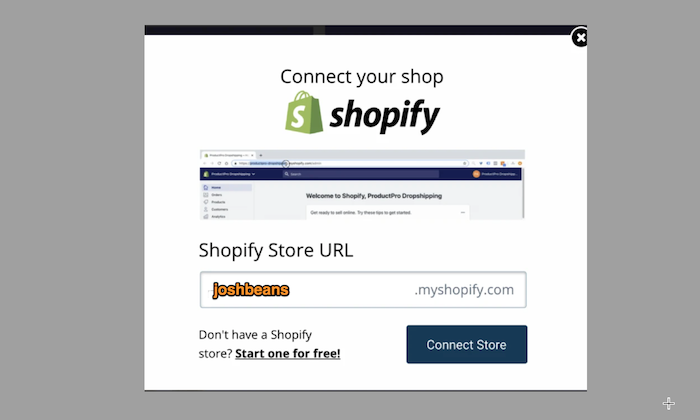
If you buy a custom domain (joshbeans.com), you’ll be able to get rid of the ‘myshopify’ part.

Complete further instructions as asked. Then you have your own Shopify account.
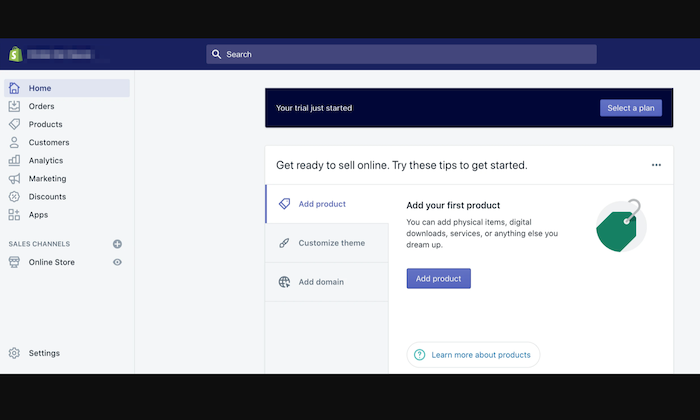
To customize your store further, visit the Shopify themes page and select an option that’s on-brand with what you sell.

What’s more, you can talk to a Shopify Expert if you need help with the technical aspects of setting up your store or find yourself stuck at a specific place.

Option #2 Setting Up an Amazon Account

 You also have the option to display your products on Amazon. 

Go to Amazon and scroll down to the bottom of the homepage. Select Sell on Amazon.
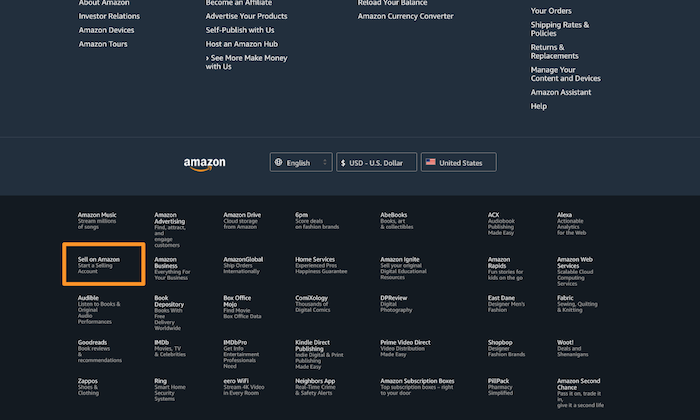
Sign up to become an Amazon seller. You can sign up as an individual seller or a professional seller. In my opinion, it would be better to become a professional seller if you’re in for the long haul.
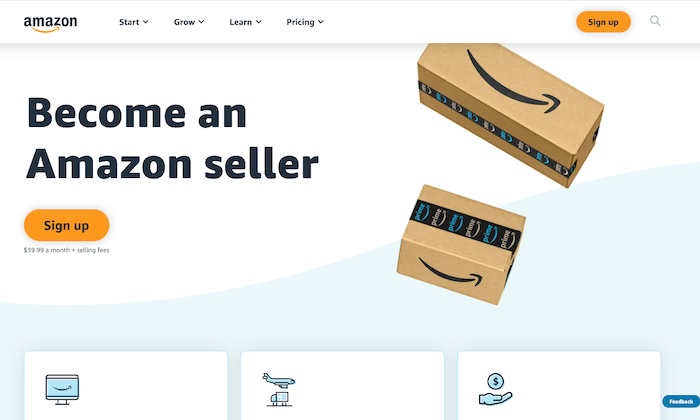
After setting up and verifying your identity, you can start with listing your products. Before this, make sure you go through the details of the selling process on Amazon.

Then click on Inventory followed by Add a Product. This will open up Amazon‘s catalog, where you’ll have to search for the product you want to sell. 
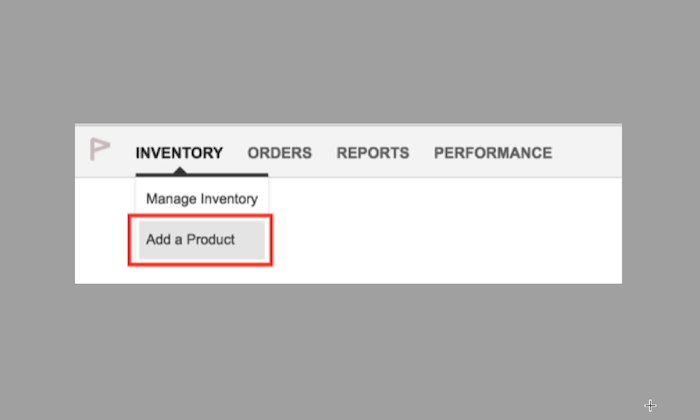
You can also create a new product listing if you can’t find a suitable option. 

And that’s it! You can now start selling your product on Amazon.

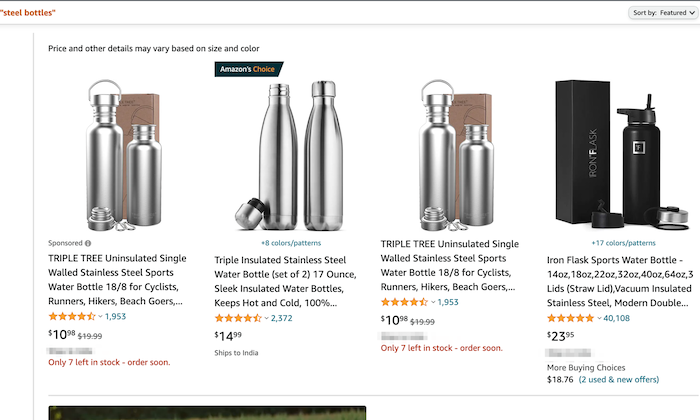
Before you can start listing your products, make sure you have high-quality photos of them, preferably on a white background. Similar to this:
Step 5: Optimize Your Site

If you think customers will come to you just after you launch the website, we have news for you: Not going to happen.

Instead, you need to optimize your website to attract traffic through search engines by targeting SEO keywords in your product descriptions.

Write good copy for every listed product, taking care to mention their USPs and describing them explicitly. 
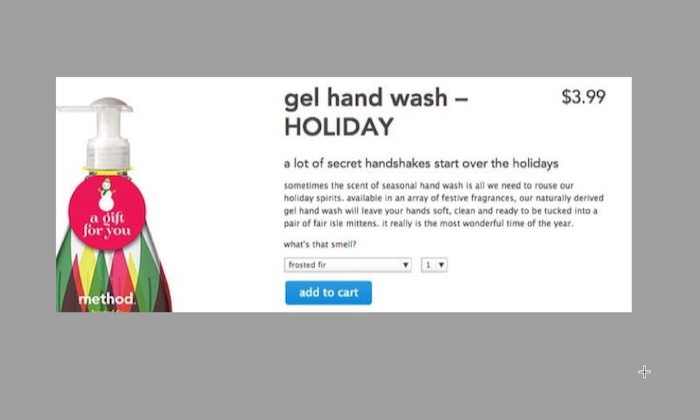
This will involve you focusing on two primary areas:

  • You have to target your product pages to specific terms that are typically searching for within the platform
  • Work on getting as many five-star reviews you can on your products as possible

The above two tips are instrumental in improving your search terms and reviews, enabling more people to see your products on the platform. This will translate into more sales and revenue for you, which is exactly what we want.

Conclusion

Congratulations! You now have your online store up and running. 

From figuring out what you want to sell and sourcing it to choosing a reliable ecommerce site to display your products, you are now an expert when it comes to launching an online store.

But don’t celebrate too hard—you have to next work on spreading the word about your store to get customers to purchase your product or service. When the money starts rolling in, I’ll be expecting a party.

Here’s wishing you all the luck!

MedMe Health (YC W21) Is Hiring Designers and Engineers

Article URL: https://www.ycombinator.com/companies/medme-health

Comments URL: https://news.ycombinator.com/item?id=27809399

Points: 1

# Comments: 0

Substack (YC W18) is hiring engineers to build the future of writing

Article URL: https://substack.com/jobs?utm_source=hn&utm_content=eng

Comments URL: https://news.ycombinator.com/item?id=27754173

Points: 1

# Comments: 0

The post Substack (YC W18) is hiring engineers to build the future of writing appeared first on WE TEACH MONEY LIFE SELF DEFENSE WITH FINANCIAL GOALS IN MIND.

The post Substack (YC W18) is hiring engineers to build the future of writing appeared first on Buy It At A Bargain – Deals And Reviews.

New comment by ryandobby in "Ask HN: Who wants to be hired? (July 2021)"

Location: Norman, OK

Remote: Required

Willing to relocate: No, but open to scheduled trips

Technologies: Laravel/PHP/TALL stack, DevOps/applications at scale, Unity/C#, Oculus/Vive

Résumé/CV:

  * Site: https://ryandobyns.com

Email: ryandobyns@gmail.com

I’m a senior software engineer with a focus in building large-scale applications using edge technologies and the Laravel framework. I have experience growing a startup to a ~$10M valuation and love fast-paced, team-oriented environments. I also do virtual reality development and consulting on the side where I’ve launched a number of award-winning applications in my free time.

I’m looking for an environment where I can work on exciting new technologies and can exercise my array of experience on cutting-edge products.

New comment by tiefenb in "Ask HN: Who is hiring? (July 2021)"

blue-tomato.com | Graz, Austria/ Hybrid | Full-time

Blue Tomato is the retailer of choice for those who want to live through their passions. We create opportunities to grow, experience unique moments and new sensations. We live and love everything related to snowboarding, freeskiing, surfing, skateboarding and streetstyle – most importantly, the communities. We have over 30 years of experience and the best product selection for our sports. We always have the right products and services so you can find your own, ‘moment of wow’ – regardless if you’re our customer or colleague.

Looking Frontend-Dev to work with React, Redux, Sass (Scss), GraphQL, Node.js, Storybook, Cypress, Webkit.

https://corporate.blue-tomato.com/de/job/frontend-entwickler…

Get Business Trade Credit the Right Way

Are You Looking for Business Trade Credit?

Business trade credit is a line of credit extended by a merchant to a business. Often the terms are Net, which means there’s a set time to pay, and you can’t carry the balance, like you can with what’s called revolving credit. One common term is Net 30 – which means you have 30 days in which to pay.

Legit Business Trade Credit

A business gets goods or services and agrees to pay for them at a later date. Trade lines are often established between a business and a vendor. This is as opposed to a line of credit offered by a bank. Trade lines can help businesses build credit since the loans are frequent and the turnaround quick. They can also help rapidly build positive credit experiences.

Working with Starter Vendor Credit

When you use tradelines that report, then you’ll have an established credit profile. You’ll get a business credit score. And with an established business credit profile and score you can begin to get credit for numerous purposes, and from all sorts of places.

Details

To kick off your business credit profile properly, get approval for vendor accounts that report to the business credit reporting agencies. When that’s done, you can then use the credit. Then pay back what you used. And then the account is on report to Dun & Bradstreet, Experian, or Equifax.

Vendor Credit – It Helps

Not every vendor can help in the same way true starter credit can. These are merchants that grant approval with very little effort. You also need them to be reporting to one or more of the big three CRAs: Dun & Bradstreet, Equifax, and Experian. As you get starter credit, you can also start to get credit from retailers. Since over 90% of all vendors don’t report, it helps to work with a company that knows the ins and outs of which vendors report, and how to work with them.

Business Trade Credit from Uline

Uline is a true starter vendor. They offer shipping, packing, and industrial supplies and more. They report to D&B and Experian. Over 99% of their products ship same day, with no back orders. They will ask for your business bank information. Your company address must be uniform everywhere.

You need:

  1. Entity in good standing with Secretary of State
  2. EIN number with IRS
  3. Business address- matching everywhere
  4. D-U-N-S number
  5. Business license(s) if applicable
  6. A business bank account
  7. Business phone number listed in 411

Here’s how to apply with them. You will need to create an account first. Then place an order and select Net 30 terms. Their credit dept. will review the account. Your application may be approved for net 30 at time of order. Upon final review, their credit department may change to a few prepaid orders before a Net 30 is granted.

Business Trade Credit from Marathon

Marathon Petroleum Company provides transportation fuels, asphalt, and specialty products throughout the United States. Their product line supports commercial, industrial, and retail operations. This card reports to Dun & Bradstreet and Experian. Before applying for multiple accounts with WEX Fleet cards, make sure to have enough time in between applying so they don’t red-flag your account for fraud.

To qualify, you need:

  1. Entity in good standing with Secretary of State
  2. EIN number with IRS
  3. Business address- matching everywhere.
  4. D-U-N-S number
  5. Business license (if applicable)
  6. And a business bank account
  7. Business phone number listed on 411

Your SSN is necessary for informational purposes. If concerned they will pull your personal credit talk to their credit department before applying. You can give a $500 deposit instead of using a personal guarantee, if in business less than a year. Apply online or over the phone. Terms are Net 15.

Business Trade Credit from Grainger Industrial Supply

Grainger Industrial Supply sells hardware, power tools, pumps and more. They also do fleet maintenance. And they report to Dun & Bradstreet. Apply online or over the phone.

To qualify, you need the following:

  1. A business license (if applicable)
  2. An EIN number
  3. A company address matching everywhere
  4. A business bank account
  5. A D-U-N-S number from Dun & Bradstreet
  6. Your corporate entity must be in good standing with the applicable Secretary of State

If your business does not have established credit, they will require additional documents. These are items like accounts payable, income statement, balance sheets, and the like.

For even more starter vendors, check out our starter vendor research – and for the most up-to-date information, always be sure to go directly to vendors’ websites.

Business Trade Credit: Some Misconceptions

Since you have heard about how business tradelines can help you build business credit, you may think, I’ll just buy a few things and then I’ll be done, and then I can move onto what I really want to buy from where I really want to shop. You may feel trade credit is just a steppingstone to the good stuff. But here’s a tip, vendor credit is a great end unto itself.

Discover our business credit and finance guide, jam-packed with new ways to finance your business without emptying your wallet

Beyond Business Credit – What Starter Vendors Can Do for Your Business

Don’t just throw stuff in a cart willy-nilly! There’s a lot to buy from starter vendors. It’s things you will need now, and later in the life of your business. Starter vendors sell more than boxes.

For example, Grainger sells computer supplies like mice, screen filters, and cables. You can get your next laptop carrying bag or flash drives from them. Get your next desk chair from Uline (ergonomics are really important – your back will thank you). You can even get disinfecting wipes from them – remember when those were an incredibly HOT commodity in 2020?

At Marathon, you can fill up with your business credit card and earn points. Use your points for everything from 7 cents off per gallon, to Southwest Airlines travel points. And buy gasoline at hundreds of stations in much of the continental US and near parts of our borders with Mexico and Canada. A fill-up in Cadillac, Michigan could get you Target or Petco gift cards – and a cool 5 cents off per gallon.

Business Trade Credit: The Dark Side

But you should be aware that sometimes it’s not all gift cards and a good PAYDEX score. There’s a dark side when it comes to tradelines. You may have seen ads where you can buy them. Or a fellow businessperson may have suggested buying tradelines to you as a shortcut. That person is not doing you any favors.

There Are No Shortcuts in Life or Business. This is very true about building business credit. Yet some people try for a shortcut all the time. The top three areas where they try to game the system are:

  1. Buying trade lines
  2. CPNs (credit privacy/profile numbers) and
  3. Buying shelf corporations

Getting caught doing any of these will hobble your funding efforts. Let’s touch on a terrible idea – buying trade lines.

Buying Business Trade Lines

Many companies online promise to sell ‘seasoned’ trade lines. A business with poor or little credit, can, for several hundred or several thousand dollars, be piggybacked onto the account of someone with established excellent credit. New business owners seem more creditworthy than they really are. Does this sound unethical? Of course it does – because it is.

What is Piggybacking a Trade Line?

‘Piggybacking’ trade lines is a practice involving seasoned trade lines. A creditworthy borrower’s accounts are used to improve the credit of an unrelated third party. A creditworthy borrower adds the third party as an authorized user of his lines of credit. But he or she does not actually provide the third party with materials (credit cards or account numbers, etc.) to let the third party make charges against that account. Hence, the authorized user never actually uses the credit.

How does Piggybacking Benefit Anyone?

The benefit to the third party is an improved credit rating. It ‘shows’ they are already approved for higher limit revolving accounts. In theory, showing you already have credit is supposed to make you more creditworthy for higher limit accounts. Many companies claim to be able to secure $100,000 – 250,000 credit lines once these accounts are reporting. This is dishonest.

How do Piggybacking Companies Work?

A company offering the piggybacking service maintains a network of creditworthy ‘card holders’ or ‘vendors’. They will add strangers to their accounts as authorized users  for a fee. A third party, looking to increase their credit score, contacts the company. The company then offers a selected trade line to the client and charges the client a fee per account. The FBI has found that the trade line company can be a fake, and the primary card holder can be a stolen identity in these kinds of scams.

The client pays anywhere from $500 to $2,000 per trade line. The company submits the order to the card holder. Once the trade line reports, the company pays the card holder their fee. This is runs from $50 to $250 per authorized user. The company retains the remaining funds as its revenue.

Discover our business credit and finance guide, jam-packed with new ways to finance your business without emptying your wallet

What Federal Agencies Say About Buying Business Tradelines

The Federal Reserve says:

“The potential distortions in credit scores that piggybacking credit may introduce suggest that a reconsideration of existing regulations, industry practices, or both may be warranted to preserve the predictiveness of credit scoring models.”

Credit Where None is Due? Authorized User Account Status and “Piggybacking Credit”, Robert B. Avery, Kenneth P. Brevoort, Glenn B. Canner (Federal Reserve Board, March 5, 2010)

The FBI says:

When commenting on a 2013 bust of a fraud ring, “A second kind of tradeline is the “authorized user” tradeline, where a credit card holder adds another, so-called “authorized user,” to a credit card account. This raises the credit score of the authorized user, who inherits some of the primary user’s credit history.

Some defendants created and sold fake lines of credit for false identities made up by other defendants. These fraudulent primary tradelines were then used to increase the credit limits on fraud cards, so that the defendants could reap even larger profits. Defendants used the authorized user tradelines to create new identities.”

The leader of the scam ring was sentenced to 80 months (that’s over 6 1/2 years!) in prison in 2016.

FICO, Equifax, and Experian

FICO says:

“A  shadier version of piggybacking has been promoted by some CROs who offer to “rent” to their credit-challenged customers the trade lines of established accountholders, in an effort to boost their customers’ credit profiles and scores.”

Equifax says:

“ authorized user abuse occurs when low-risk primary card owners “rent” their tradelines with extensive credit histories, high credit limits and solid repayment profiles to others – most times, knowingly, to fraudsters.”

Experian says:

“Buying tradelines may be viewed as deceptive by lenders and credit reporting agencies, and could even put you in danger of committing bank fraud.

If you pay money to improve your credit scores without doing any of the work or even getting a card to use, you could be falsely representing your creditworthiness to potential lenders.”

Unethical Methods Are Bad News

Lenders and CRAs know all the unethical methods out there. They know what to look for, and they will always be looking. When they see a new authorized user on a card, they will dig deeper.

Discover our business credit and finance guide, jam-packed with new ways to finance your business without emptying your wallet.

It Will Catch Up to You

Sooner or later, D&B in particular will determine you bought tradelines. If a tradeline sales company performs an inquiry into your credit report, then D&B is tipped off. And any time you buy a tradeline, the seller will check your credit. Because they want to be sure they get paid.

D&B Methodology

Shutting down tradeline(s) is just the start. D&B will red flag your entire profile. They will flag legitimate trades alongside the illegitimate ones. You will lose whatever time you think you gained. Plus, you’re out the cost of the tradelines.

Years Later

When a company is known to be a tradeline seller, then that company will be flagged. Any new inquiries by that flagged tradeline seller harm buyers. And so will older tradeline sales. There is no Statute of Limitations on this. That’s because it’s not through the courts system. If you bought a tradeline 50 years ago, D&B could still find out.

Personal Credit is Different

Consumer trades as an authorized user are considered legitimate. A person with poor credit can use this strategy legally. Hence if you know someone with great credit. Ask if you can become an authorized user on their card. You never need to use the card, yet it can still help to raise your personal credit scores. But never do this to jack up your BUSINESS credit scores.

Getting Business Trade Credit the Right Way: Takeaways

Working with starter vendors isn’t just a means of building business credit. It’s also a great way to get products and supplies that your business truly needs. It’s not a waste of time or money. All you need to do is search on any vendor’s website to find what they have to offer.

Business tradelines are perfectly legitimate IF you do not pay for them and build them properly and naturally. Buying business tradelines will sink your business credit building effort. It’s dishonest and potentially part of a larger theft ring, SO DON’T DO IT!

The post Get Business Trade Credit the Right Way appeared first on Credit Suite.