Check Out the 7 Best Cash Back Business Credit Cards
Take advantage of our research and check out the seven best cash back business credit cards we could find.
Cash back usually comes in the form of a low percentage rebate, such as 1 – 5%. Some card issuers offer unlimited cash back. Others offer bonus amounts for chosen category spending or meeting a spending threshold within a certain amount of time after account opening, like $750 if you spend $7,500 in the first three months after account opening. Statement credits and signup bonuses are similar, the main difference is how you get the money – check, credit, points, or something else.
The Best Cash Back Business Credit Cards for You
There are differences among cash back business credit cards, and they go beyond the percentages. A high cash back credit card might require a very high spend in a short amount of time. Or a cashback credit card might not offer categories that work for you. Or cash back offers may come with too many strings attached. We sifted through over 100 business credit cards to find cashback credit cards to fit several different circumstances – including yours!
One Thing to Keep in Mind
Terms and rates for cash back business credit cards are subject to change. In particular, many annual percentage rates are tied directly to the Prime Rate. Banks and other credit providers sometimes add or drop features, or even credit cards. The best source for all credit card information is always directly on the provider’s website.
Let’s start with three honorable mention cash back business credit cards.
Honorable Mention: Get 3% Cash Back with High Credit Limits: Zions Bank Visa Amazing Cash® Business Credit Card
Get to know the Zions Bank Visa Amazing Cash® Business Credit Card. You get 3% cash back on select business purchases, including office supplies, cell services, internet, telecom, and cable TV. And get 2% cash back on select business travel purchases, including airlines and vehicle rentals. Get 1% cash back on everything else. Pay a 0% introductory APR on balance transfers for the 12 months after account opening, then pay a 14.24% variable APR afterwards. A 3% balance transfer fee for each transfer ($10 minimum) applies.
Get a credit limit up to $250,000. You will pay no annual fee. There are no rewards fees. 0% introductory APR for the first 6 months after account opening, then 14.24% variable APR afterwards. It is entirely possible that some of the other reviewed cards have better upper limits, you will need to check when you apply.
Honorable Mention: Get a Cash Back Bonus: PNC Bank Cash Rewards® Visa Signature® Business Credit Card
Check out the PNC Bank Cash Rewards® Visa Signature® Business Credit Card. Get a $200 bonus if you spend $3,000 in the first 3 billing cycles after account opening. Get 1.5% cash back on net purchases, with no cash back limits. Pay no annual fee. You will pay a 0% APR for the first 9 billing cycles after account opening, then 10.99-19.99% variable APR, based on creditworthiness. It boasts mostly lower interest rates and a fairly easy to meet minimum spend. To get a bonus, this card is decent if you can’t or won’t spend too in such a short amount of time after getting the card.
Honorable Mention: Get Cash Back and Qualify Even with Fair Credit: Capital One Spark Classic Business Credit Card (Visa)
The Capital One Spark Classic Business Credit Card (Visa) can work if you have fair credit. You can earn 1% cash back with every purchase, with no minimums. Pay no annual fee. You will pay 26.99% variable APR for both purchases and cash advances. The minimum credit line is $300.
The cash back percentage is low, and the interest rate is higher than for the other cards reviewed. But if your credit is only fair, or you don’t have a very long credit history, this card could be right for you.
#7: Get 3% Cash Back with an Annual Bonus: US Bank Business Cash Rewards World Elite Mastercard®
Check out the US Bank Business Cash Rewards World Elite Mastercard®. Earn to 3% cash back on eligible gas station, office supply store and cell phone/service provider net purchases. All other purchases earn 1% cash back. Purchases of gasoline greater than $200 will not be deemed to be a purchase of automotive gasoline, and as such will earn a reward of 1%.
Get $500 cash back if you spend $3,000 in the first 90 days from account opening. Earn a 25% annual bonus based on your prior year’s cash rewards, to $250. Pay no annual fee. You will have a 0% introductory APR for the first 12 billing cycles. After that, 13.99-22.99% based on creditworthiness.
To hit the bonus limit, you would have to have spent over $33,000 in the previous year. Still, the initial spend requirement isn’t too bad. You can meet it with purchases of computers or the like. The APR after the introductory period is acceptable. If your credit is such that you qualify for the lower APR, this card could turn out to be a better deal than our #6.
Pay a 15.49% APR. Earn a $200 credit with a $2,000 spend in the first 3 months from account opening. With its fairly low spend requirement, no annual fee, and decent (but not exceptional) APR, this can be a good card. In particular, it can work well if your business requires you to travel by car and entertain clients on the road.
#5: Get 4% Cash Back for a Limited Time: Citi Bank Costco Anywhere Visa® Business Card
With the Citi Bank Costco Anywhere Visa® Business Card, get 4% cash back on eligible gasoline purchases, including buying gas at Costco. But this is only for the first $7,000 per year. After that, get 1% cash back. Get 3% cash back on restaurant and eligible travel purchases. Earn 2% cashback on all other purchases from Costco and Costco.com. Get 1% cash back on everything else.
There is no annual fee. There are no foreign transaction fees. But you must be a Costco member before applying. Pay a 15.24% variable APR.
While the 4% cash back offer is limited to just the first $7,000 per year, you will have to buy over 2,000 gallons of gasoline if they average $3.50 per gallon to hit the limit. If you think it’s unlikely you would meet that limit, and you’re a Costco member, this could be a good card. It’s got an APR that is decent but not as good as our #4’s rate.
#4: Get 4% Cash Back Until You Hit a Spend Limit: Huntington Bank MasterCard Voice Business Credit Card
With the Huntington Bank MasterCard Voice business credit card, earn 4% cash back on the first $7,000 spent per quarter in one category of your choice. There is a choice of 10 categories.. Hence the annual spend limit for 4% cash back is $28,000. Earn 1% cashback on all other purchases.
There is no annual fee, and no foreign transaction fee. Pay a 10.99-21.99% APR based on creditworthiness, tied to the Prime Rate. If you know you won’t meet the spend limit, and your credit is already good so the APR is on the lower side, this could be an outstanding card.
#3: Get 5% Cash Back on Amazon Purchases Only: Amazon Prime Store Card
Get 5% cashback on Amazon purchases with the Amazon Prime Store Card. Pay no annual fee. You get a $60 Amazon gift card upon application approval. However, limits seem to be low. There are reviews on the Amazon website and you should check them before applying.
If your business makes a lot of Amazon purchases, this could be one of the best cash back business credit cards for you. If not, it likely has too many limitations.
#2: Get 5% Cash Back in 2 Categories: Bremer Bank Visa Max Cash Preferred
The Bremer Bank Visa Max Cash Preferred card is particularly good if you can pay your credit bills on time and avoid paying interest. Earn a $150 bonus reward if you spend $500 in the first 90 days from account opening. The spending threshold required for a bonus is comfortably low. You will probably meet it if you charge a decent computer on this card. Also get 2% for one everyday category, otherwise get 1% unlimited cash back. There is no annual fee.
All annual percentage rates for interest will vary with the Prime Rate. Pay a 14.49-23.49% APR for purchases based on creditworthiness. Pay a 0% introductory APR for the first 12 billing cycles for balance transfers, and then 14.49-23.49% APR based on creditworthiness.
Get 5% Cash Back in 2 Categories: Alternatives to Bremer Bank
Note: Busey Bank offers the identical credit card, with the exact same rates and fees. The main difference is Bremer is headquartered in Minnesota, whereas Busey is based in Illinois.
#1: Get 5% Cash Back on Flat Spending: Chase Bank Ink Business Cash®
For good interest rates, and a high percentage in cash back, check out this card. Pay 0% APR on purchases for the first 12 months, and then 13.24-19.24%. Pay no annual fee.
With the Chase Bank Ink Business Cash® card, you get 5% cash back on the first $25,000 you spend on certain business products, i.e. office supply stores, internet, cable, and phone services. This works out to 4% additional cash back rewards on top of 1% cash back rewards earned on each purchase. The $25,000 flat spending limit resets every year. You can get $750 bonus cash back if spend $7,500 in the first 3 months after account opening.
But unlike with some other cards, it can be harder to hit the minimum spend amount. The agreement does not prohibit using your card to buy pricier items such as plane tickets, vehicle repairs, or even heavy equipment. Still, you may find that using other means, such as equipment financing or fleet credit, would make for a better deal for your business.
While we do feel this is the best of the cash back business credit cards we reviewed, if you cannot meet the spend minimum, our #2 choices are a lot better.
Takeaways for the Top 7 Cash Back Business Credit Cards
The business credit cards we reviewed offer cash back deals running from 1% to 5%. Annual percentage rates run from 10.99% t0 26.99%, with many cards offering a 0% introductory APR for a limited time. Some cards offer monetary bonuses, often dependent upon spending a minimum amount during a short window of time. Limits and qualifications were not easy to find online – so ask! And always check a provider’s website for the latest and most accurate details on any business credit card that interests you.
Baffled By The Foreign Exchange Market? Have a look at These Tips Before You Trade!
Foreign exchange trading has actually come to be really preferred for individuals desiring to make added cash. The professional pointers in this short article can assist you find out exactly how to trade foreign exchange like a pro.
Stick to a pair of Forex sets. Research study the market, and also maintain points basic to start with.
Profession in prominent money. It can be hard to leave a very finely traded placement, compeling you to hold longer than you may desire.
Assume concerning authorizing up for a Forex workshop if you are brand-new to Forex. You can likewise do some study by yourself, however if you can manage a workshop, you will certainly gain from a full development. You will certainly prepare to begin after a couple of days of extensive training as well as not make usual newbies’ errors.
When trading money on the foreign exchange market ensure you constantly patronize a stop-loss order. This stops you from shedding excessive on a profession. Money are incredibly unstable and also it is very easy to shed your t shirt, yet as lengthy as you patronize a stop-loss order you can decrease losses.
When trading foreign exchange, do not obtain persuaded by the economic information maker. Keep knowledgeable about what’s taking place, however remain to work with establishing your very own tested techniques that concentrate on recognizing patterns as well as optimizing them. Pay much less focus to “traditional knowledge” and also a lot more focus to your digestive tract as well as tried and tested trading approaches.
When functioning with foreign exchange, attempt not to run the risk of even more than 2 to 3 percent of your complete trading account. You might shed whatever after just merely 15 professions if you aren’t viewing out for on your own.
When opening up an account with a broker to do foreign exchange trading, you ought to not just select the quantity of cash you will certainly take into trading yet additionally on the size of time you will certainly trade. This aids you conserve equity. Experience has actually confirmed that many individuals that take part in foreign exchange trading over an extended period of time are more probable to generate income.
While finding out to trade foreign exchange, there are some points you can do to boost your possibilities of generating income. You require to have the best details as well as training, in order to find out just how as well as when to trade. Make use of the details you have actually simply reviewed to find out exactly how to make foreign exchange benefit you.
The professional ideas in this post can aid you find out exactly how to trade foreign exchange like a pro. When trading money on the foreign exchange market make certain you constantly trade with a stop-loss order. Money are exceptionally unpredictable as well as it is simple to shed your t shirt, yet as lengthy as you trade with a stop-loss order you can reduce losses.
When opening up an account with a broker to do foreign exchange trading, you must not just choose on the quantity of cash you will certainly place right into trading however additionally on the size of time you will certainly trade. While finding out to trade foreign exchange, there are some points you can do to enhance your possibilities of making cash.
An internal site search is a must-have. However, it’s often viewed as an afterthought rather than a true conversion optimization tool – and that could be killing your conversion rate.
So what should you know about improving your site search? Here are a few tips on making the most of site searches.
What is Internal Site Search and Why Does it Matter?
Internal site search is a search bar many site users add to their website which allows users to search for news, topics, or products. It’s crucial for eCommerce sites, but can be incredibly useful for content-based sites as well.
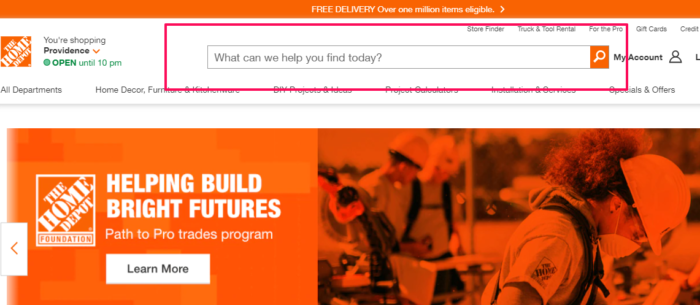
Many sites feature their site search front and center at the top of their homepage, as Home Depot does:
How Site Search Drives Conversions
Adding internal site search to your website helps users find what they are looking for. However, it can also impact your bottom line.
Site Searchers Much More Likely to Convert
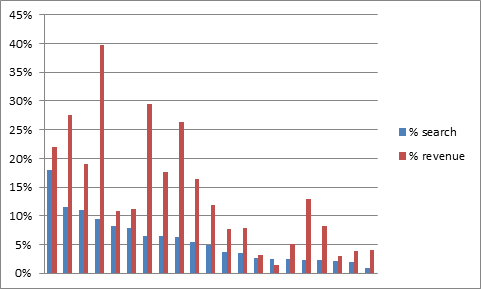
According to research by eConsultancy, on-site searchers are 1.8 percent more likely to convert than regular users.
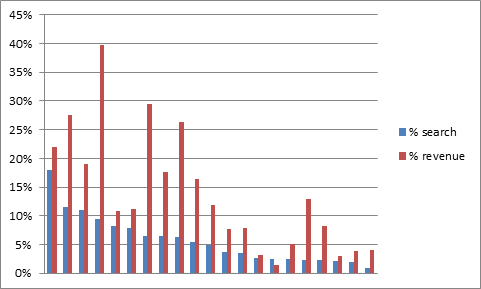
What’s more, Screen Pages found the average revenue from site search was significantly higher than regular users.
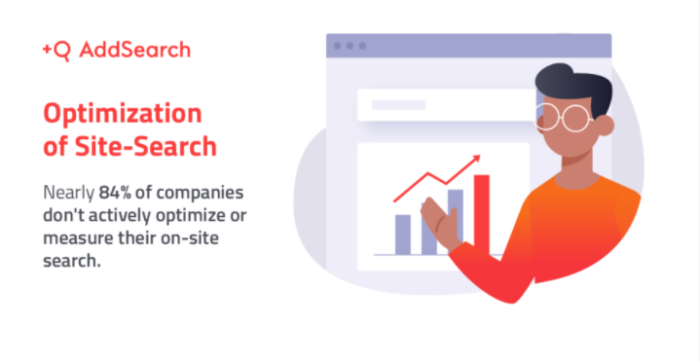
Despite the benefits of site search, a vast majority of sites don’t optimize their site search feature.
If you don’t have a site search–or if you aren’t making the most of it–you could be missing out on revenue.
How to Drive Conversions With Internal Site Search
If customers aren’t getting the results they expect from your site search (or worse, getting links to your competitor’s sites), they’ll simply go elsewhere.
That’s why it’s vital to start paying attention to your internal search engine – and making changes that can improved results and drive conversions. Here’s how to do it.
Target the “Spearfishers”
According to Forrester Research, which did an in-depth report on the importance of site search for retail, businesses should focus on “spearfishers” – those users who come to a site searching for a specific product. They found 43 percent of visitors go immediately to a search box, and searchers are two to three times more likely to convert.
That means we need to make it push-button simple for users to do a search right away. You can thank sites like Amazon and Google for making a prominent search box the first thing users see.
Include Autocomplete
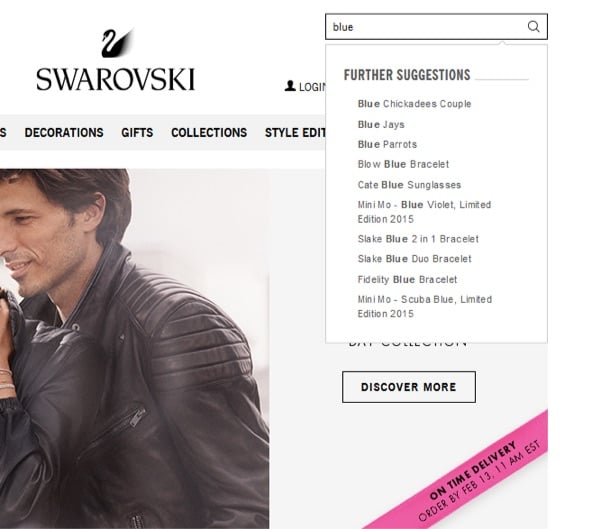
Going to the Swarovski.com website without a specific product in mind will instantly lead the user to suggestions. I typed in “blue” and got 10 product suggestions right away.
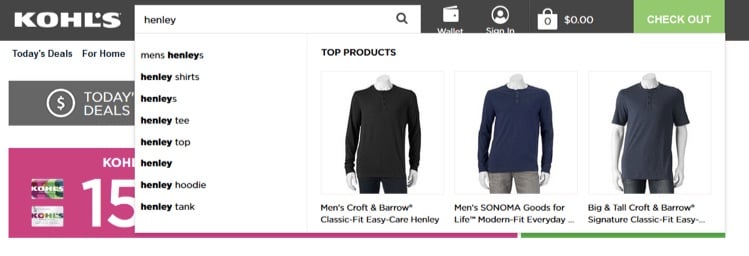
Kohl’s website goes even further to recommend (and show) specific products based on a basic search before the user ever hits enter:
By suggesting specific products (or even showing top results), you’re guiding the user along the path you want them to take before they even make a conscious decision to continue. Essentially, you’re planting product suggestion seeds and allowing them to branch out from there – putting your user one step closer to a conversion.
Allow Users to Filter Internal Site Search Results
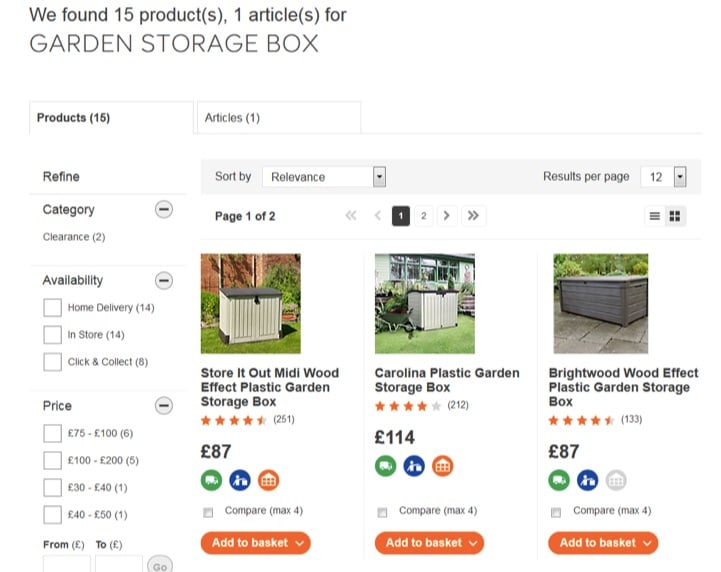
There’s nothing more frustrating than getting a million search results and having to sift through the clutter. U.K. site DIY.com helps users filter results search pages by offering a number of filters, including price, availability, and category. This lets users narrow down to precisely what they want and when they want it by.
Create Dedicated Landing Pages
Based on the data you collect from your site search engine, you may want to elevate certain products to get more exposure or demote others that may not be as popular. For products getting the bulk of the hits, consider creating a dedicated landing page to help it stand out from among a sea of similar items.
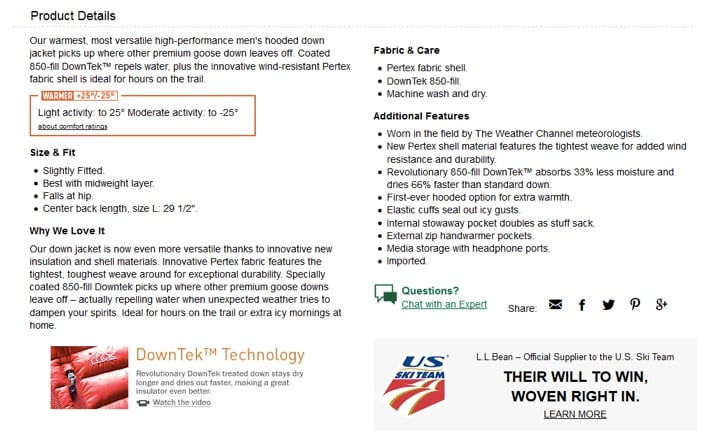
L.L. Bean has custom landing pages for many of its products which include not just the product details, but the best weather/activity levels, additional features, and even the technology behind the item:
Offer Relevant Recommendations
Sometimes, despite your best efforts, products go out of stock or are discontinued. What happens when a user ends up on those pages? Sending them to a “product not available” page is a sure path to site abandonment. Instead, take a page out of Amazon’s book by offering users related suggestions and recommendations.
Bonus points if you can bundle products in a ‘Frequently Bought Together” option.
Improve Mobile Search
Don’t forget about mobile users. According to Statista, more than half of all internet traffic comes from mobile devices. Typing on a mobile device can be cumbersome at best, and misspellings often lead users to “Not Found” pages even if the product is available.
Test out your site search in a variety of devices for ease of use and fast loading. No mobile user is going to wait forever to see 1,000+ products load up on a results page. Consider limiting the number of suggestions and making sure your search bar is easy to use on mobile devices.
Internal Site Search Tools
Now you know what users expect from a high-performing site search and how to use it to drive conversion. So, how do you implement it? There are plenty of free site search engines available – but here is one area where you definitely don’t want to skimp on features.
Here are a few of the more promising site search platforms available.
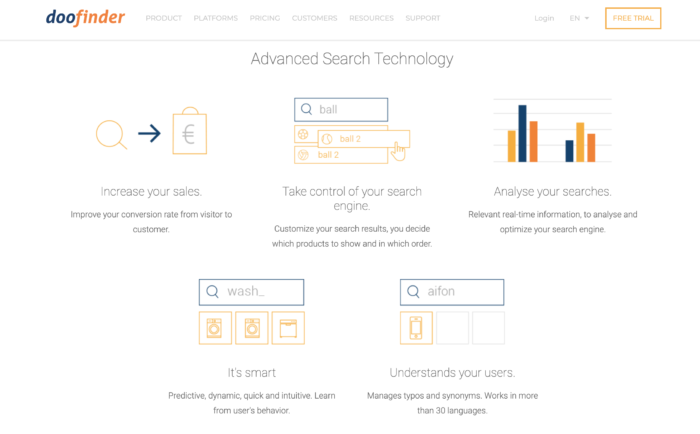
Doofinder
Doofinder created a cutting-edge site search tool that has been proven to increase conversions and boost sales on e-commerce sites. Combining artificial intelligence and machine learning, Doofinder is able to provide a fast, seamless, and effective search experience for users while helping sites sell more.
To make Doofinder even more exciting for users is that they offer both a free trial and a freemium version, making it easier for both small and large e-commerce sites to benefit from their impactful site search tool.
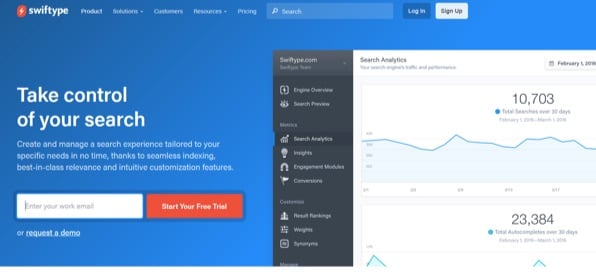
Swiftype
Swiftype integrates into many popular platforms including WordPress, Zendesk, Magento, and Shopify. With intelligent sorting, filters, spell check and autocomplete, it’s a solid search engine with fast indexing and fantastic relevance. Pricing starts at $79/month with a trial available if you’d like to test the waters.
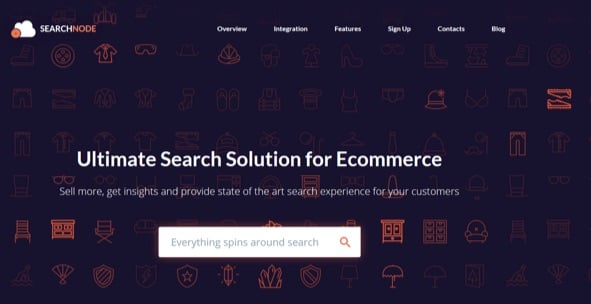
SearchNode
SearchNode is made for e-commerce sites and integrates with common shopping cart platforms such as OSCommerce, Woo Commerce, OpenCart, and many more. It can be up and running in as little as five minutes with a JS code snippet. One of the main benefits that set SearchNode apart is the ability to use their site search tool in multiple languages.
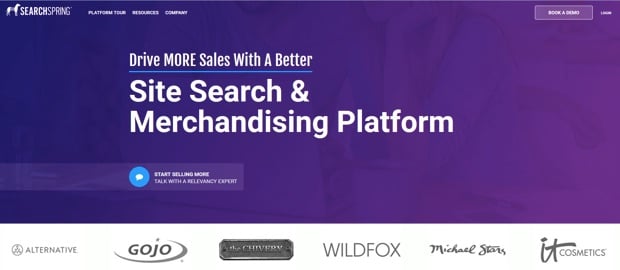
SearchSpring
SearchSpring is an enterprise-grade site search platform that combines search and merchandising tools into one package. It offers common features like auto-complete, product recommendations, and even product quizzes/product finders to help users find the right product for their needs by answering a few simple questions.
They also offer a ton of other eCommerce tools, including navigation, personalization, and advanced reporting tools. Pricing starts at $499.
Internal Site Search Frequently Asked Questions
What is internal site search?
Internal site search, sometimes called site search, is a search engine function on a specific website that allows users to search for content or products on that specific page.
What are the benefits of adding site search to my website?
Site search makes it easier for users to find content or products on a specific site. It can help drive conversions and provide site owners with data about the types of products users are interested in.
Is adding a search bar to my site good for SEO?
Search bars don’t have a specific SEO benefit. However, they improve the user experience and keep users on your site, which is beneficial to SEO.
Is Google Site Search a good tool?
Google’s Site Search feature was sunset in 2018 and is no longer available. However, there are several other options, including SearchSpring and SearchWP.
{
“@context”: “https://schema.org”,
“@type”: “FAQPage”,
“mainEntity”: [
{
“@type”: “Question”,
“name”: “What is internal site search? “,
“acceptedAnswer”: {
“@type”: “Answer”,
“text”: “Internal site search, sometimes called site search, is a search engine function on a specific website that allows users to search for content or products on that specific page. ”
}
}
, {
“@type”: “Question”,
“name”: “What are the benefits of adding site search to my website? “,
“acceptedAnswer”: {
“@type”: “Answer”,
“text”: “Site search makes it easier for users to find content or products on a specific site. It can help drive conversions and provide site owners with data about the types of products users are interested in. ”
}
}
, {
“@type”: “Question”,
“name”: “Is adding a search bar to my site good for SEO? “,
“acceptedAnswer”: {
“@type”: “Answer”,
“text”: “Search bars don’t have a specific SEO benefit. However, they improve the user experience and keep users on your site, which is beneficial to SEO. ”
}
}
, {
“@type”: “Question”,
“name”: “Is Google Site Search a good tool? “,
“acceptedAnswer”: {
“@type”: “Answer”,
“text”: “Google’s Site Search feature was sunset in 2018 and is no longer available. However, there are several other options, including SearchSpring and SearchWP. ”
}
}
]
}
Internal Site Search Conclusion
Site search is definitely not something you’ll want to overlook when it comes to new ideas to improve your conversion rate. By implementing a few simple steps to give users more control over their results, you’ll likely start to see conversions and revenue soar as customers find precisely what they need quickly and easily.
Search site doesn’t have direct SEO benefits, but it does improve user experience, which can indirectly impact the effectiveness of all your marketing efforts.
Do you use site search extensively on your site? What do you believe makes a good site search engine? Share your thoughts with us in the comments below!
Orbital Health | Web Developer + Sales Development Rep | Remote | Full-time
At Orbital Health, our mission is to improve the way patients find clinical care by building the most intelligent and proactive platform in healthcare. We are bringing new and powerful tools to providers and are looking for team members that are excited about making healthcare more intelligent and inclusive.
We are a growing startup who just raised our first pre-seed round and are fully remote, offer flexible hours, unlimited PTO, and stock options. Our stack is Vue, Dotnet, AWS, FHIR, and Firebase with plans to move into ML/NLP.
Money-market funds, banks and other investors are parking over $1 trillion in spare cash overnight in reverse and repo markets—a surge in short-term lending that is raising concerns about whether market unrest lies ahead. The post Cash Is Flooding Into Short-Term Markets Like Never Before appeared first on Get Funding For Your Business And Ventures. … Continue reading Cash Is Flooding Into Short-Term Markets Like Never Before
Money-market funds, banks and other investors are parking over $1 trillion in spare cash overnight in reverse and repo markets—a surge in short-term lending that is raising concerns about whether market unrest lies ahead.
That’s why customer retention is crucial to growing your Ecommerce business.
What is customer retention?
Customer retention is the ability to encourage customers to keep coming back to make purchases. Research shows that repeat customers spend more than once-off customers, making retention a priority for any Ecommerce business that wants to grow. With research showing that retail Ecommerce sales are set to be more than $548 billion by 2024, you’ll want your customer retention strategy to be solid enough to get you a piece of that pie.
This post will dive into the strategies you can use to boost your customer retention rates. We’ll also look at foundational principles like attracting and converting customers. So, let’s get to it, shall we?
5 Customer Retention Strategies and Corresponding Tools for Ecommerce Companies
Many businesses make the mistake of investing heavily in customer attraction. Sure, if you don’t attract new customers, there’s a possibility your business may fold. However, attracting custoTapymers is not the key to business growth.
The key to business growth is customer retention.
That’s why you must develop strategies that will help you retain the customers you attract. You also need to have the right tools for the job.
Why is customer retention so important?
I’ll give you a few good reasons:
boosts loyalty
helps drive referral marketing
increases ROI
increases average order value (AOV)
Speaking of ROI, research shows that a mere 5 percent increase in customer retention can boost your revenue by over 25 percent, depending on the industry, product, and other factors.
With that said, let’s dive into the five customer retention strategies you can use to grow your Ecommerce business.
1. Understand the Customer Journey and Optimize Your Customer Experience Accordingly
One of the first steps to designing a customer retention strategy that works is to understand the customer journey. The heart of customer retention lies in meeting or exceeding the expectations your customers have.
To do that, you must understand the customer journey and optimize it for positive customer experiences (CX) at every step.
If you can keep your customers happy, they’ll keep coming back for more.
How do you do that?
Understand Your Audience
Understanding your audience allows you to know how to craft personalized messaging and experiences at every stage of the journey. Personalized experiences are essential in driving return sales. To better understand your audience, use:
Audience research tools like surveys and quizzes to gather demographic and psychographic data on your target audience.
Social media platforms and tools like Facebook’s Audience Insights tools to better understand your audience demographics.
Tools like HubSpot to build buyer personas.
To build and optimize customer journeys that effectively retain your customers, you must first understand who your target audience is and what they want. This way, you can ensure each touchpoint is meaningful, resulting in a positive CX and, ultimately, higher customer retention rates.
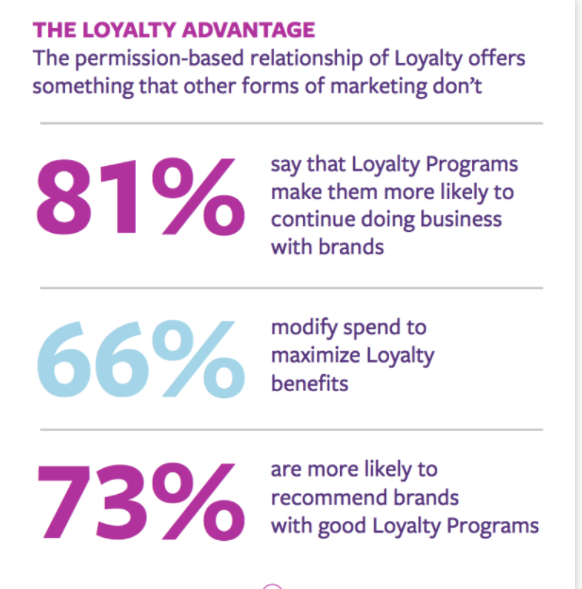
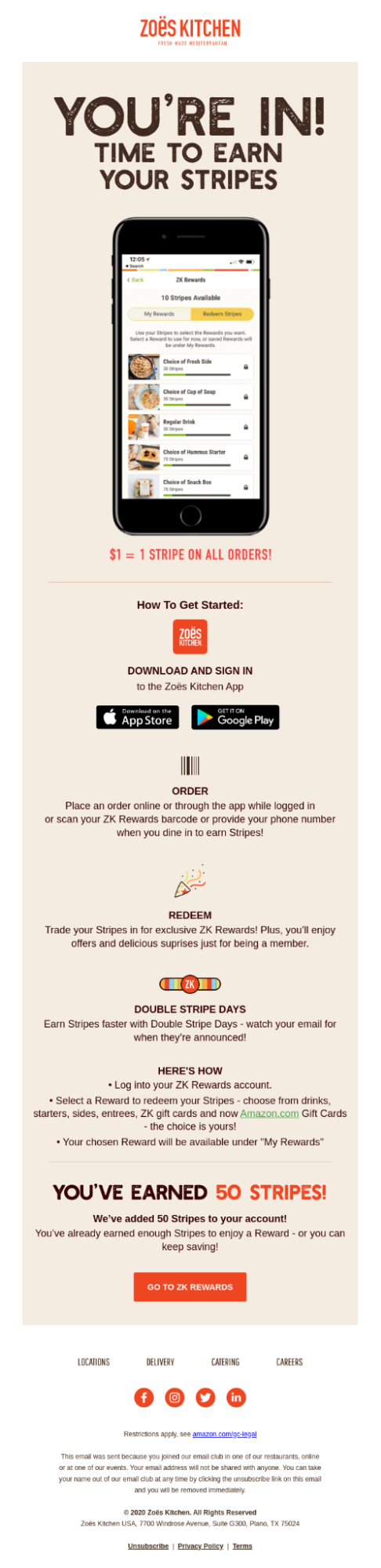
Customer loyalty is your customers’ willingness to keep buying from you. Loyalty programs encourage them to do just that and help increase their customer lifetime value (CLV). Designed and executed well, it increases sales and, most importantly, improves your customer retention rates. Here are a few tips and tools to help you design an effective customer loyalty program:
Know what rewards are meaningful to your customers.
Define the rules of your loyalty program. This includes which actions get rewarded and the kinds of rewards tied to each action.
Use tools like the Net Promoter Score to gauge your customers’ loyalty. This will help you know how effective your customer loyalty program is and how much work is needed to improve it.
Leverage customer loyalty programs like ReferralCandy to build and execute customer loyalty programs.
Designing a customer loyalty program must never be an afterthought; it must be an integral part of your customer retention strategy.
Running a hybrid B2B/B2C business?
My partner for this post, BigCommerce B2B Edition, makes it easy for you to offer different price lists and products to your different customer segments. You can also tailor your customer loyalty program to each customer category.
2. Follow Up After the First Transaction Is Completed
For most, a sale is the ultimate goal of running an Ecommerce business. However, to retain your customers, you must follow up after the first transaction is completed. Some follow up strategies you can implement include:
Use Email to Build Meaningful Relationships
Many Ecommerce businesses send a thank you email after a transaction. To retain your customers, though, you must do more than just thank them. You must build meaningful relationships with them.
Following up after a transaction helps you build meaningful relationships with your customers. For your follow-up to be effective, you must show your customers that you can provide more value. You do that by sending post-sales emails like:
product updates
cross-selling and upselling emails
feedback surveys
promotional emails
informational emails
This is where Ecommerce platforms like BigCommerce come in handy. It has many features you’ll get to help you grow your business. One of them is the automated email tool and integrations that will help you run follow-up campaigns. Coupled with BigCommerce’s fully customizable email templates (using code or the text editor), creating follow-up campaigns couldn’t be easier. That’s especially since you can add discount codes and coupons to your email templates to encourage conversions.
Be Proactive With Customer Onboarding
Customer onboarding is one of the most crucial steps to ensuring that a first-time customer becomes a repeat buyer. Onboarding refers to all the steps you take to gain customers’ trust until they become loyal customers. A few tips to enhance your customer onboarding include:
Use email marketing to welcome and nurture new customers.
Invest in interactive content to engage customers and get more data to create hyperpersonalized experiences.
Where necessary, create a tutorial to educate your customers on how best to use your product.
Customer onboarding is an essential follow-up process that allows you to show your customers that you value their success. Once they see that, it becomes easier for you to retain them.
3. Segment and Target Existing Customers for Customer Loyalty Programs
By this time, your interactions with your customers have opened up a gold mine of data. Every interaction helps you paint a better picture of each customer.
This is precious data you can use to segment your customers.
Segmentation is crucial in helping you create targeted and personalized campaigns. When it comes to customer retention, segmentation plays an integral role in creating effective customer loyalty programs for your existing customers.
Segmentation is key to increasing your chances of creating a customer loyalty program that will help you retain your existing customers.
For your loyalty program to work, you must create tailored rewards and experiences for the different segments as their needs are different. Examples of segments you can consider creating among existing customers include:
high spenders
cart abandoners
coupon lovers
one-time buyers
This is another area in which platforms like BigCommerce shine. It has a built-in tool that allows you to create loyalty groups, making it easy to target particular segments of your customer base for your customer loyalty program.
4. Allow Changes to Orders
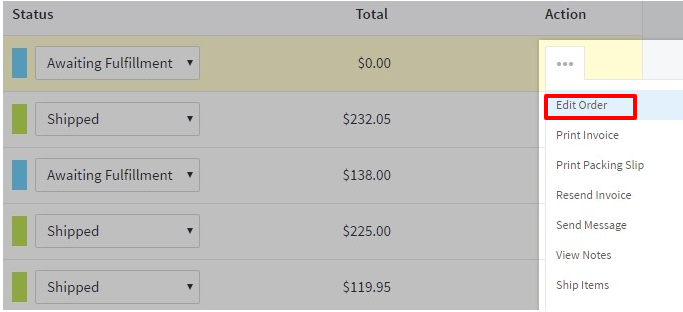
Customer retention hinges on creating memorable experiences for your customers. One way to do that is to allow your customers to change their orders once they’ve made a purchase. For example, a customer may change their mind and want a product that’s a different size, color, etc. For BigCommerce users, allowing customers to change their orders is a cinch. That’s thanks to the order editing functionality the platform provides.
When that happens, allow your customer to swap their purchase for the one they really want.
One of the results of this is that your customers will trust you more. It shows that you have their back and are willing to bend over backward to make them happy. Of course, that kind of trust can only lead to one thing—higher customer retention rates.
5. Offer Outstanding Customer Service
Customer retention is a function of the experiences your customers have with your brand. Besides the shopping experience, customer service is one of the biggest elements of ensuring you serve your customers exceptionally well.
That’s why you must offer outstanding customer service.
When you solve your customers’ problems in a friendly and efficient manner, they’ll see you as a reliable partner. Although they had an issue with your product, you’ll have earned their trust and loyalty.
How do you ensure your customer service is good enough to bolster your customer retention strategy?
Offer omnichannel customer service: Make it easy for your customers to reach you by being available on multiple communication channels. MobileMonkey is one of the best customer service tools that will help you create a cohesive experience across multiple channels.
Assign the right agent to the right customer: Assess your customer’s needs and assign the agent most qualified to handle them.
Learn from your competitors: Research how your competitors handle customer service issues like returns, faulty products, faulty charges, etc. Also, read customer reviews and call their customer service line to see what the customer service experience is like.
Help your customers help themselves: Some people prefer to troubleshoot and solve their problems. Creating an easy-to-navigate knowledge base using tools like HelpJuice will help you do just that.
Creating an outstanding customer service experience will undoubtedly help you win your customers’ loyalty. People want to know that they can depend on you to help them fast and efficiently if anything goes wrong. On the other hand, poor customer service will cost you customers and, ultimately, your business.
Customer Retention Bonus Tips/Pro Hacks
Customer retention is all about creating memorable experiences for your customers. Here are a few more ways you can do that:
Ask Customers to Set Up Profiles
Creating profiles offers a platform where customers can input important dates like anniversaries and birthdays. Doing this allows you to send reminders and personalized product recommendations for the special occasion.
Create an Affiliate Program
Create an affiliate program where satisfied customers can begin promoting your products and earn a commission. Besides the potential to earn revenue, an affiliate program makes your customers feel like part of your brand. The result is heightened customer loyalty.
Create a Community
People love being part of a special group. That’s why creating a community around your brand is an excellent way of boosting customer retention. An example of this would be creating an exclusive Facebook group where you share content surrounding your brand.
Now that you know how to retain your customers let’s briefly take a step back and look at how you can attract and convert your customers.
How to Attract Customers to Your ECommerce Businesses: 3 Strategies
While customer retention is one of the main pillars of business growth, you can’t have retention without attraction. So, let’s briefly look at a few ways you can attract customers to your Ecommerce store.
1. Have Great SEO to Attract Organic Traffic
Paid ads are a great way to gain traction, especially for a new Ecommerce store. However, if you want to play the long game, you must invest in a robust SEO strategy. The main reason being SEO is one of the best ways to attract organic traffic. A few tips to help you with your Ecommerce SEO include:
Let the Pros Take Care of It
If you have the budget, one of the easiest ways to boost your SEO is to hire an agency to take care of it for you. Besides freeing up your time to run your business, hiring an SEO agency has the advantages of:
Access to the right tools, resources, and human resources.
Agility to change strategy to align with the ever-changing SEO landscape.
Learn SEO and Take a DIY Approach
No budget for an SEO agency?
Then you could DIY your SEO.
While this approach will require time and commitment, learning the ins and outs of e-commerce SEO will help you better understand what it takes to attract the right traffic to your store. So, invest in a couple of SEO courses or teach yourself the art and science of driving traffic to your Ecommerce store.
Leverage an Ecommerce Platform Designed With SEO in Mind
An essential aspect many entrepreneurs overlook when picking an Ecommerce platform is the SEO aspect. Always consider the SEO features of a platform before investing in one. This is one of the reasons BigCommerce is one of the best platforms on the market. Here are a few SEO-centric features you can expect:
Fully customizable URLs.
Access to editing robot.txt files.
301 redirects and URL rewrites to reflect any changes in product names.
CDN to increase site speed.
Microdata and schema markup to enhance your search result listings.
BigCommerce also offers in-depth guides like this one and this one to help ensure your store’s SEO is on point.
2. Create Engaging and Targeted Paid Ad Campaigns
As said, SEO is about the long game—it takes time to see results. To drive traffic to your site quickly, you’ll need to leverage targeted paid ad campaigns. Research shows that 46 percent of the most visited Ecommerce stores spend up to $1,000/month on paid ads. The top 16 percent spend upward of $20,000 per month, so yes, if you want to drive traffic to your store, you must invest in paid ads. While paid ads may cost you, they have several advantages that include:
Drive hyper-targeted traffic.
Generate sales faster.
Boost brand awareness.
The main advantage of paid ads is the speed at which they produce results. So, if you’re running a promotion or simply want to boost your monthly sales, paid ads could help you drive the traffic you need.
For your ads to be effective, though, you must ensure they’re engaging and targeted. To do that:
Understand your target audience and develop an ideal customer profile (ICP).
Choose and understand the platform you’re advertising on and follow best practices.
Thoroughly research your keywords and negative keywords (Ubersuggest is an excellent tool for this).
Craft personalized ad copy.
Determine the ad format you’ll use (video, text, etc.)
Optimize your landing pages for better conversions.
It can be quite scary to put money in paid ads. After all, the ROI is never guaranteed. Creating engaging and targeted ads helps make your ads more effective, ensuring that you drive relevant traffic to your products.
3. List Your Products On as Many Channels as Possible
Today’s buyer is spoilt for choice regarding the platforms and channels they consume content on.
That’s why, when creating your Ecommerce paid ad strategy, you must advertise your product on as many channels as possible.
You must adopt an omnichannel approach to advertising.
Omnichannel marketing will ensure that you meet your customers where they are. It makes it easier for you to create ads that will appeal to your customers—ads that convert.
What exactly is omnichannel marketing?
It is an approach to marketing where you anticipate that your customers may start their journey with your brand on one device or platform and continue on another. With omnichannel marketing, you create a cohesive and unified experience for your customers across all platforms and at every touchpoint.
The result is a positive CX that results in more conversions and, ultimately, higher customer retention rates.
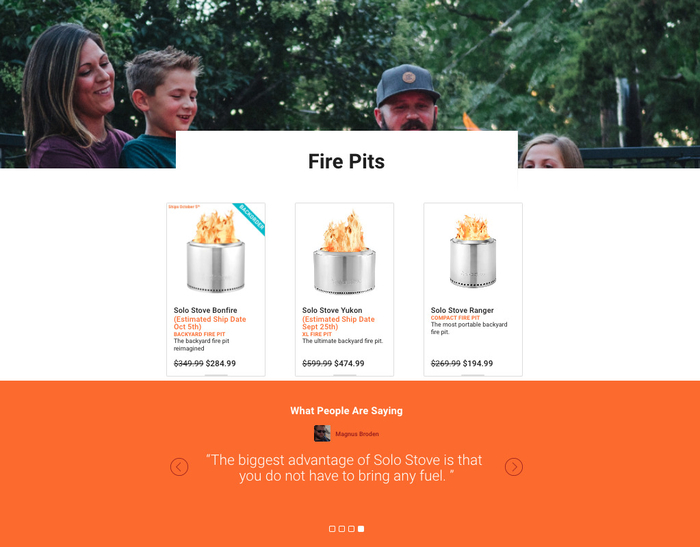
Thankfully, with Ecommerce platforms like BigCommerce, your customers can easily buy from other channels (like social media) other than your store. You can also leverage external social media payment processing solutions to sell products directly on social media.
Offer Omnichannel Customer Support
Being available for your customers on their preferred channels helps you create a positive experience that will get them hooked to your brand.
Create a Mobile App
It’s no secret that mobile has overtaken desktop in terms of usage. Creating a mobile app helps you create tailored experiences for your customers on multiple platforms. It also helps you put your store in your customers’ pockets.
Listing your products on multiple channels is a great way of getting them in front of a larger audience. As a result, you’ll drive more traffic to your store and generate more sales on the different platforms you leverage.
Customer Attraction Bonus Tips/Pro Hacks
Besides the three main customer attraction strategies mentioned above, you can use other more advanced ones. Here are a few of them:
Leverage AI: AI can help you create accurate buyer personas and serve users personalized product recommendations.
Create viral content: Understand your audience’s pain points and aspirations and create your content around these. Also, make sure to meet search intent.
Distribute your content: Effective content distribution results in your content being published on the right platforms and being seen by the right audience.
Partner with influencers: Partnering with influencers is a great way of tapping into a large demographic that’s a perfect fit for your ICP. The followers are more likely to be interested in your products, and thus the chance of them visiting your website (and converting into customers) is higher.
Developing a strategy to attract customers to your Ecommerce store is an essential step to customer retention. If you can attract an audience in the right way, it improves your chances of them converting and, ultimately, becoming loyal customers.
How to Convert Customers: 3 Strategies
There are three steps to growing a loyal customer base:
Attracting the right audience.
Converting traffic into paying customers.
Retaining your customers.
We’ve already dealt with attracting and retaining customers. Now let’s take a quick dive into how you can convert visitors into customers.
First—what is a conversion?
A conversion in Ecommerce is any visitor who purchases one of your products. Conversion rate, therefore, is the percentage of visitors to your store who turn into customers.
The higher your conversion rates, the more sales you make. Don’t take our word for it. Check out LARQ’s case study. After partnering with BigCommerce, their conversions lifted by 80 percent and they enjoyed a 400 percent average increase in YoY revenue.
How do you improve your conversions?
Create Outstanding Landing Pages
Your landing page is an important element of your sales funnel as it’s usually the one that does the heavy selling. That’s why you must ensure you create outstanding ones that convert. Here are a few tips to help you do that:
Keep it simple: Your landing page must be easy to read and understand at a glance. To do that, keep your design clear and uncluttered.
Have only one objective: Your landing page must only have one goal—conversion. Keep it focused on that.
Personalization is crucial: From meeting search intent to using language and visuals that appeal to the visitor, personalize your landing page as much as possible.
Add detailed product descriptions: Your landing page is meant to sell, and one of the best ways is to give visitors a detailed description of what they’re buying. Include high-quality images.
Use multiple CTAs: Include the same CTA at different places on your landing page. Doing so makes it easier for your visitor to click-through and purchase whenever they’re ready.
Use a tried, tested, and proven landing page builder: If you’re a BigCommerce customer, you can use the built-in Page Builder tool to quickly and easily build landing pages.
Your landing page is an essential part of your sales funnel. Besides helping you target specific customer segments, they also help you drive higher ROI for your paid traffic. That’s why you must invest in creating optimized ones for your Ecommerce store.
Ensure Your Site Is Secure to Make Users Feel Safe Making Purchases From Your Shop
Another crucial factor that helps boost your conversions is site security. Your customers want to feel safe when handing you their details during the checkout process, especially with the recent spike in data breaches. To ensure your site is secure, you must:
Use a Secure Ecommerce Platform
The first step to securing your Ecommerce store is to use a platform designed with security in mind. For example, platforms like BigCommerce offer sitewide HTTPS and other security features like firewalls, intrusion detection, and much more. A secure platform makes your customers feel safe to transact with you. It’s essential to boosting your conversions.
Support Multiple Payment Methods
Your customers will have different preferences when it comes to how they want to pay for your products. They feel more secure using a payment gateway they’re familiar with.
Using multiple payment methods is a great way of giving your customers more options. Besides, it also enables you to offer multi-currency options—a crucial ingredient to improving your CX for global customers.
While supporting multi-currency payment options may seem like a daunting task, with a platform like BigCommerce it isn’t. That’s because BigCommerce natively supports over 140 local currencies and over 65 payment gateways.
Closely Review and Monitor All Plugins and Third-party Integrations
When installing third-party solutions to enhance your store, you must make sure they’re from a trusted source. It’s also essential that you monitor them to ensure they’re regularly updated. Once you have no use for one, remove it from your store. You must keep third-party applications on your store to a bare minimum as they can create vulnerabilities in your store.
Stay on top of your Ecommerce store’s security by using tools like FreeScan to check for vulnerabilities and TrustWave for threat detection regularly. A secure store will not only protect you from cyberattacks, but also helps boost your conversions. Just make sure to invest in a secure Ecommerce platform and additional security tools if necessary.
Use an Abandoned Cart Saver
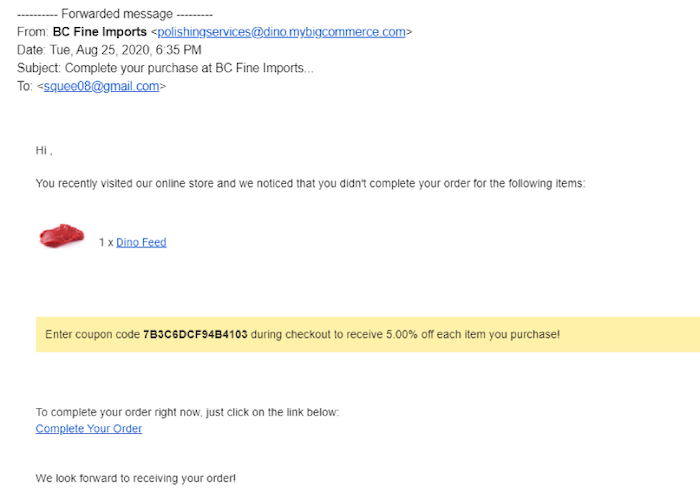
Cart abandonment is an aspect of Ecommerce you can’t avoid. Research shows that, on average, close to 70 percent of carts are abandoned at checkout. That’s why, if you’re to improve your conversions, you must address this issue.
One of the best ways to do that is to use an abandoned cart saver. An abandoned cart saver is a feature that allows you to send an email to customers who loaded their carts but didn’t complete the transaction.
With BigCommerce’s Abandoned Cart Saver, the emails are fully customizable, allowing you to create personalized invites (with discount codes or coupons) to encourage customers to complete their purchases.
Other Customer Conversion Pro Hacks
Besides the three conversion strategies discussed above, here are other tips for increasing your customer conversion rates:
Run targeted ads: Targeted ads appeal emotionally to your target audience. They also make your product seem like the perfect solution to their needs.
Retargeting: Use social media ads, apps, banner ads on websites, or email to retarget customers who viewed products on your store.
Use easy-to-fill forms: A/B test different form designs on your landing page to find out which works best for your customers. Test the number of form fields, copy, placement, etc.
Offer free shipping: Free shipping is another great incentive to encourage visitors to your landing page to convert into customers. Make sure to display this benefit.
Optimize your checkout page: Optimize your checkout page by eliminating distractions, showing trust signals, offering multiple payment options, etc. These will encourage customers to go through with their purchases.
Attracting the right kind of traffic is always the first step to customer retention. The next critical step is converting that traffic into customers. Be deliberate about both.
Frequently Asked Questions About Ecommerce Customer Retention Strategies
Still have a few questions concerning customer retention strategies you can use to boost your Ecommerce business?
Let’s quickly clear the air on some of the most common ones:
What Is Customer Retention?
Customer retention is the ability for a business to generate repeat customers from visitors to their business. Therefore, customer retention rate refers to the percentage of your customers that continue to buy from you over a given period.
How Can I Improve My Customer Retention?
Improving your customer retention rate is dependent on many factors. However, at the heart of a good customer retention strategy lies creating positive customer experiences at each touchpoint.
What Are Some Examples of How You Retain Customers?
There are several activities you can undertake to retain customers. Here are a few examples: creating loyalty programs, using email to build relationships with your customers and designing outstanding customer service experiences.
What Is a Good Customer Retention Rate for ECommerce?
Customer retention rates are affected by many factors such as industry, product, and others. However, the average customer retention rate for Ecommerce is said to be around 30 percent.
{
“@context”: “https://schema.org”,
“@type”: “FAQPage”,
“mainEntity”: [
{
“@type”: “Question”,
“name”: “What Is Customer Retention?”,
“acceptedAnswer”: {
“@type”: “Answer”,
“text”: “Customer retention is the ability for a business to generate repeat customers from visitors to their business. Therefore, customer retention rate refers to the percentage of your customers that continue to buy from you over a given period.”
}
}
, {
“@type”: “Question”,
“name”: “How Can I Improve My Customer Retention?”,
“acceptedAnswer”: {
“@type”: “Answer”,
“text”: “Improving your customer retention rate is dependent on many factors. However, at the heart of a good customer retention strategy lies creating positive customer experiences at each touchpoint.”
}
}
, {
“@type”: “Question”,
“name”: “What Are Some Examples of How You Retain Customers?”,
“acceptedAnswer”: {
“@type”: “Answer”,
“text”: “There are several activities you can undertake to retain customers. Here are a few examples: creating loyalty programs, using email to build relationships with your customers and designing outstanding customer service experiences.”
}
}
, {
“@type”: “Question”,
“name”: “What Is a Good Customer Retention Rate for ECommerce?”,
“acceptedAnswer”: {
“@type”: “Answer”,
“text”: “Customer retention rates are affected by many factors such as industry, product, and others. However, the average customer retention rate for Ecommerce is said to be around 30 percent.”
}
}
]
}
Summary of Ecommerce Customer Retention Strategies
One-time sales are good, but they don’t grow your business.
For your Ecommerce business to be successful, you must encourage your customers to keep coming back.
Using the tips above, growing your business by attracting, converting, and retaining customers is no longer a lofty dream. Putting the tips into action will turn your dreams of growing your Ecommerce brand into reality.
And remember, your choice of Ecommerce platform also plays a huge role in your success in retaining customers. Platforms like BigCommerce that come with in-built customer retention features (like single-page checkout, coupon and discount codes, etc.) are your best bet.
Which customer retention strategies and tools have worked well for your business?
This website uses cookies to improve your experience. We'll assume you're ok with this, but you can opt-out if you wish.AcceptRejectRead More
Privacy & Cookies Policy
Privacy Overview
This website uses cookies to improve your experience while you navigate through the website. Out of these, the cookies that are categorized as necessary are stored on your browser as they are essential for the working of basic functionalities of the website. We also use third-party cookies that help us analyze and understand how you use this website. These cookies will be stored in your browser only with your consent. You also have the option to opt-out of these cookies. But opting out of some of these cookies may affect your browsing experience.
Necessary cookies are absolutely essential for the website to function properly. This category only includes cookies that ensures basic functionalities and security features of the website. These cookies do not store any personal information.
Any cookies that may not be particularly necessary for the website to function and is used specifically to collect user personal data via analytics, ads, other embedded contents are termed as non-necessary cookies. It is mandatory to procure user consent prior to running these cookies on your website.

 Mastercard®