
How We’re Going to Use X Reality (XR) in Business

Are you ready for X reality? It’s coming, too, along with a host of exciting business and marketing opportunities.  

Here is what it is, why it matters, and how to use it to grow your business. 

What Is X Reality?

X reality is short for extended reality. Sometimes called cross reality, it’s a convergence of the real, physical world around us and a digital world or space. 

One way to think about it is combining a digital or virtual experience with a physical one. There are many different ways this plays out, but as the technology develops, the opportunities explode. 

To get a better picture of what we’re talking about, let’s take a moment to imagine. Have you ever taken a tour through a museum with a set of headphones that give an audible experience as you walk along? Suddenly, it sounds like you are walking through the Wild West or wherever this experience is taking place. 

Now add visuals and other physically interactive elements. Maybe you can actually touch the doors of the saloon or watch the scenes change as you walk down the dusty road. You can draw your pistol for a duel.

Imagine having these experiences, even when you aren’t at the museum. Maybe it’s in your own backyard. Or your hometown main street. Your reality has merged with the virtual. Your reality is extended.

The technology that allows for these immersive reality experiences is constantly evolving, bringing our reality closer to the virtual experience. 

To get the full X reality experience, certain hardware may be required. Again, think about enhancing the physical with the digital. You may need tools to provide that combined experience. Typical hardware may include a tablet, such as an iPad, a smartphone, a headset, earphones, or other body wear, including gloves, etc.

The specifics reflect the specific experience, and what you are trying to achieve for the user. Some extended reality experiences are simpler, while others are more involved and more immersive.

In so many ways, it is the future of marketing. Whatever marketing campaign you’re developing, the goal is to get your brand out there and help your target market see how they can’t live without your brand. Extended reality opens a world of opportunities to interact with products, services, and brands. 

It’s not just in the sales funnel at an introductory level where X reality can support your brand growth. It can help you build brand awareness, customer satisfaction, customer loyalty, word of mouth, and referrals, and more. 

Here are a few ways it can be used in your business:

  • Train your staff to prepare for difficult or tricky customer service situations.
  • Arm your sales team with tools to connect customers with the best options. 
  • Let customers “try out” a product beforehand.
  • Connect in-person shoppers with digital information.
  • Create new designs or products in a virtual world.
  • Bring a certain layer of fun to your brand.

As X reality continues to expand, the entire marketing ecosystem will evolve as well, calling us to respond. Everything from brick-and-mortar experiences to SEO will be impacted by X reality. 

AR vs. VR vs. MR: The Three Types of X Reality

X reality is an overarching term that can refer to each of these: augmented reality (AR), virtual reality (VR), and mixed reality (MR). While these are sometimes used interchangeably, the specifics can vary, and they do have exact definitions. Let’s dive in.

Augmented Reality  

Augmented reality is about overlaying the real world and the experiences of the physical world around us with virtual or digital enhancements. Augmenting means to make something bigger or better, so augmented reality is about making the things you see around you somehow better, depending on your definition of better. 

It’s a way of interacting with the people and things around you and a digital space simultaneously, often using the camera of a smartphone or mobile device to interact. 

Virtual Reality

Virtual reality refers to interactive, immersive experiences that are computer-generated. Virtual reality experiences are about full digital worlds that are a sort of escape or separation from the real world, rather than an overlay. Virtual reality requires hardware to help the user jump into the virtual world. These tools may include a headset, viewers, glasses or goggles, as well as other items like gloves. With these, the user is able to simulate experiences in their virtual world, incorporating their own bodies and movement.

Mixed Reality

Mixed reality is exactly as it sounds. It’s a mix of the virtual world with the physical. According to Microsoft, when it comes to the spectrum of physical and virtual worlds, mixed reality sits in the middle. It’s also in the middle of virtual reality and augmented reality. It takes place with one foot, or one digital foot, in each space. 

Mixed reality is where a lot of technology evolution is pushing right now. While it’s easy to come up with examples of AR or VR, mixed reality is more about pressing those concepts together, using all the tools and technologies we have to create even more exciting experiences. 

How AR, VR, and MR Differ

While these three concepts differ slightly in their starting points, and the tools needed to make them work, they do have one thing in common: They are about extending a digital world into our everyday lives with greater ease and more seamless connections.

These three types of X reality are ripe with the ability to bring better user experiences to your customers throughout the sales process, to help you ultimately reach your own brand goals. 

5 Ways to Use X Reality in Business

As much as there are fun and entertaining ways to use X reality, there are also powerful and exciting ways to integrate the technology into your business to support your sales goals. Using extended reality keeps you on the cutting edge, setting you apart from your competition who may be slow to adopt it.

It also equips your customers and your team with opportunities. Here are just a few ideas to get you thinking.

1. Product Content Management 

When it comes to staying organized with everything you are creating and selling, your product content management system is the heartbeat of it all. Whether it’s a spreadsheet or integrated software, it’s the place where you keep all the details, facts, and data behind each product. 

Here’s where X reality can take your product management system to the next level. Imagine being able to react to your customers’ needs and product demands in virtual 3D space. This interactive design is growing in popularity, allowing teams to make tweaks or try new designs, simulating a real-world without the cost or ability to actually create items. 

This is particularly useful for products at scale that are too large or expensive to create prototypes of. It also gives the whole team an opportunity to actually interact with a product, so you don’t have to slow down, collect questions, run the numbers, and make necessary edits. It’s a time-saver and brings proof of concept faster. 

There is an added benefit of these digitally connected X reality systems. They can connect with your product content management system and share data. You can keep track of all the specs of your current products, as well as all the information about products in development, in real-time. 

2. Remote Team Building and Collaboration

Remote teams benefit from a host of technologies that allow them to communicate and stay in touch, including video meetings and instant messaging. 

Yet nothing beats speaking in person, interacting with the rest of the team and the actual products. PromoLeaf did a survey and found that 72 percent of respondents preferred an in-person conference in their industry, rather than one online. In the youngest crowd they surveyed, ages 16-24, 84 percent preferred to be in-person.

X reality can help merge those opposing options by making it seem like remote employees are in the same location working together on projects. 

3. Product Preview

We’ve all experienced the itch to “try before you buy” when it comes to new products. It’s just not apparel, tools, or the latest smartphone. How about furniture, automobiles, homes, and more? Does that seem too far out of reach?

Not with X reality. Using up-and-coming technologies, brands can create apps that allow you to view and interact with a product for yourself. Now you can test our furniture in your own home before buying. You can drive your ideal car through the streets of your morning commute before it’s even created. You can walk through your dream home, while still on the other side of the country or the world. Just imagine all the possibilities.

From in-app devices to headset-enabled simulators, you can “be there” without being there and trying it, even before it exists.

4. Interactive Advertisements

X reality has so many fun benefits to get people talking. Sometimes those features alone can be the reason to adopt them. 

Using X reality in your advertising can allow the public to interact in different ways and help you seem more authentic than other ads. It can also get people talking and give your ad extra exposure. 

Brands have tried all kinds of things, including bringing a printed item to life through an app. Suddenly your magazine or brochure is interactive or other videos. Other brands have used augmented reality and large screens to welcome passersby and onlookers to interact with virtual characters. Others use social media filters and other features to showcase their brands. 

5. Train Your Team

Business is full of training. From safety and regulatory training to sales conversion and customer service training, arming your team with the most relevant information possible is critical. 

With X reality, your team can do more than just talk about situations. They can walk through them together, interacting with people and products. You can even simulate potentially dangerous situations without putting one in harm’s way, and still gain the experience and confidence they need to be ready for real life.

Examples of X Reality

Have you experienced reality for yourself yet? Here are a few examples of some of the most talked about. 

Pokémon Go

Pokémon Go put augmented reality on the radar for all of us. Through the lens of a mobile device, the world could suddenly be full of Pokémon characters. This game showcased how entertainment and X reality can boost small local businesses, with real-world locations signing up as Pokéstops and Gyms.

Examples of X Reality - Pokemon Go

IKEA App

IKEA Place allows customers to “place” IKEA furniture in their own space, and see how it will look and fit. It sets the bar for other furniture makers by offering a service that others may not have incorporated yet. Plus, it’s kind of fun to use, so even when people aren’t ready to buy, they may still play around on the app just to see what it’s all about. 
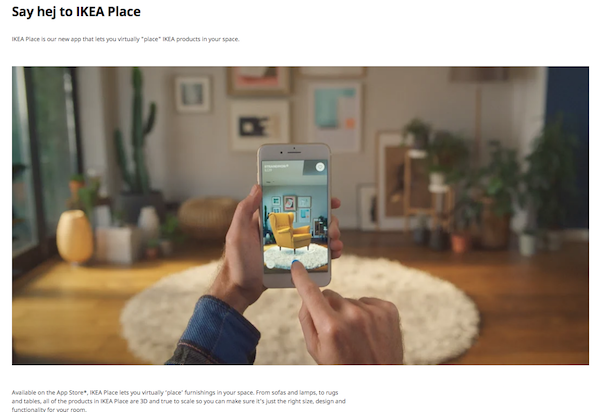
Examples of X Reality - IKEA app

Warby Parker

Warby Parker has also cashed in on the opportunity to let customers try on before they buy. Using an app, customers can view themselves in any number of Warby Parker glasses.

It’s not just a snapshot with the frames overlaid, but an interactive, real-time experience where customers can move their head, look from all angles, and then throw on another pair. 

Conclusion

X reality is a fun idea that seems primed for gaming and entertainment, but it’s tailor-made for business and online marketing. From product development to customer service, extended reality can change the way we interact with our brands, our customers, our team, and our world.

As the world of business continues to evolve, there are many reasons to believe extended reality will be part of that equation. 

How will you incorporate X reality into your brand?
The Definitive Guide to Online Reputation Management

The Definitive Guide to Online Reputation Management

There are a lot of misconceptions about online reputation management. Some people think it’s just social media monitoring, while others believe it has something to do with public relations, and still others have no idea the impact it can have on sales.

In this guide, I’ll explain the role of online reputation management in today’s digital age, explain why it matters, and outline 10 tips for improving and protecting your brand’s online image.

Why Does Reputation Management Matter?

Just a few years ago, the internet was very different. Companies didn’t engage customers, they just sold (or tried to sell) to a passive audience People could not express their voice in a powerful way, and the overall communication landscape was very “top down.”

The situation has radically changed. Today, websites are no longer static brochures. User-generated content is a must. And regular interactions on social networks are vital to any business success.

No matter the size of your business, people are talking about you, including prospects, customers, clients, and their friends. They are tweeting about your latest product, leaving a comment on your blog, posting a Facebook update about their customer experience, and much more.

If you think you can skimp on reputation management, or if you think you can make it without taking into account people’s voices, opinions, and reviews, think again.

Today’s Brands Need to Be Transparent

One of the most important business commandments is “Be transparent.” Opening up to criticism and feedback seems beneficial for companies that embrace this new communication mode with their audience.

What does being “transparent” mean? Here are some examples:

  • allowing employees to talk about products and services publicly
  • establishing a 1-to-1 communication channel
  • asking for feedback
  • not hiding criticism, and addressing it publicly

Easier said than done! Most small and medium sized companies do not invest much on communication, and they struggle with this concept. As a result, their efforts usually are incorrect or inconsistent.

Being transparent is risky. But in the long run, not being transparent is riskier.

Online Reputation Management “Failures”

Being open does not come without a price. If you and your brand accept feedback, customer opinions, and so on, you also must be ready to face them promptly.

Consider these scenarios:

  1. What if your product/service sparks too much criticism?
  2. What if your employees are not social media savvy?
  3. What if your competitors take advantage of this?

These are just a few reasons you need to have a proper online reputation management plan in action before embarking on a transparency journey.

Here are three famous cases of reputation management failure in the digital era:

  • Dark Horse Café received a tweet criticizing their lack of electrical outlets for laptops. Their response was something like: “We are in the coffee business, not the office business. We have plenty of outlets to do what we need.” Needless to say, defensive/aggressive behavior doesn’t work in the online world. Many blogs reported the fact as a negative public relations case.
  • Nestlé received negative comments about their environmental practices a few years ago, and they did not address them. People started becoming aggressive and posted altered versions of the Nestlé logo, forcing the company to close its public page. Takeaway? Do not pretend people are not talking, and address criticism as soon as possible.
  • Amy’s Baking Company fought fire with fire against a one-star internet review. Their insults against the reviewer eventually were picked up by the local news. Negative attention is not good publicity.

The lesson here? Pay attention to your online reputation and respond–kindly–to poor reviews. Don’t let your ego get in the way of being professional. Remember, you aren’t just responding to the person who left a review, you are showing everyone else online who your brand is.

The Key to Online Reputation Management: Listen To What People Are Saying About Your Brand </p>

What are people saying about you? Good online reputation management is not just reacting well to what people say about you, your brand, or your products and services, but also about whether to react at all and, if so, when.

Sometimes a reaction is not necessary, and sometimes a reaction that is too late can cost you millions.

A proactive approach to the matter consists of monitoring your public reputation regularly, and not just when you come to know about a specific event to deal with.

How do you do this? By using social media monitoring tools that keep an ear on what people are saying about your brand.

Social media monitoring allows companies to gather public online content (from blog posts to tweets, from online reviews to Facebook updates), process it, and see whether something negative or positive is being said affecting their reputation.

Social media monitoring can be both DIY (Google Alert is an example of a free web monitoring tool accessible to anyone) and professional, depending on the size of the business involved.

Watch for Online Reputation Bombs

In the online reputation management scenario, companies should be aware of two types of harmful content. One is represented by complaints on social networks. They need to be addressed properly, but unless your company has serious problems, they do not pose a real challenge to your business.

The other is what I define as “online reputation bombs,” which affect your reputation and sales long term and can severely damage a business. They are very powerful because, unlike social network content, they are prominent in search engine results.

What if someone Googles your brand name and finds defamatory content? Let’s see what they are:

  • Negative Reviews: Review sites allow users to express their opinion on your brand. Did they like your service/product? Would they recommend it? Negative content can affect your sales, and addressing the criticism on the site may not be enough. Websites like Ripoff Report and Pissed Consumer provide the perfect platform for this kind of negative content.
  • Hate Sites: Some people go beyond simple negative reviews and create ad hoc websites with their opinions, some of them containing illegal content. So-called “hate sites” sometimes address companies and public figures with insults and false information. Needless to say, a search result like “The truth about NAMEOFYOURCOMPANY” or “NAME scam/rip off” will make your potential customers run away!
  • Negative Media Coverage: Phineas T. Barnum used to say “There’s no such thing as bad publicity.” That may be true for controversial public figures, but unfavorable TV, print, and online media coverage negatively impact companies and brands.

What do you do if your business is the victim of a smear campaign?

What To Do if Your Company is Subjected to an Online Reputation Smear Campaign

The first thing most companies wonder is “Can we call the cops?” I get it; being unfairly targeted feels illegal. But in most cases, online comments are not a legal matter.

Article 19 of The Universal Declaration of Human Rights states that:

“Everyone has the right to freedom of opinion and expression; this right includes freedom to hold opinions without interference and to seek, receive and impart information and ideas through any media and regardless of frontiers.”

Everyone has the right to express their voice about your brand. There are, however, certain boundaries that need to be respected. Some of the negative content online actually is illegal. Why?

  • It uses defamatory language
  • It reports false information
  • It is aimed at damaging the company’s reputation

How do you react to all of this? How do you defend yourself or your company from this kind of illegal behavior?

Depending on the scope of the problem, several paths can be pursued in order to restore your online reputation:

  • Aggressive SEO: Ranking on pages one or two of Google for your industry and brand name is one of the best ways to push down bad publicity. The first thing that you or your online reputation management company should do is devise a search marketing strategy that increases the ranking of positive content, owned by either you or third parties. The search engine game is too important to be ignored, and it is the first step in restoring your image.
  • Review Removal: Did a user claim something false about your company? Is that review clearly aimed at destroying your reputation rather than providing feedback? Does it contain improper language? Legal liaison and speed of reaction will make it possible to remove the negative review.
  • Online Investigations: In case of serious attacks on your brand image, it may be necessary to hire skilled online analysts to investigate untraceable threats and attackers via email tracing, data cross-indexing, and other information collection techniques. Cyber investigations are the definitive path to get to the bottom of the most difficult reputation management cases.

These strategies are only required in the most extreme cases. Most businesses can manage their online reputation by following these 10 tips.

10 Online Reputation Management Tips

Calling it “online reputation” really is redundant. Your online reputation is your reputation. In the digital era, nothing protects your brand from criticism. This is good from a freedom of speech perspective; bad if your company has been defamed and attacked.

To help you stay on top of your reputation, here are ten practical tips that sum up what we have covered in this guide. The world of brand reputation will change in the coming years, but following these simple tips will help you keep your name.

1. Become Well Respected

Trust is a perishable asset and it is hard to gain. Working to build respect work is more important than any other online reputation management commandment.

2. Be Radically Transparent

After years of hiding critics, McDonald’s publicly forced egg suppliers to raise hens’ living standards according to the People for the Ethical Treatment of Animals request.

Being transparent about shows you care about your customers and are willing to make changes when things go wrong.

3. Monitor What People Say About Your Brand

In addition to all the reasons to monitor your online reputation, social media monitoring also can increase sales. These days, lots of people ask questions via Twitter and Facebook because they evaluate whether or not they should buy from you. Showing you are responsive makes your brand look reliable.

4. React Quickly and Politely

In case of a customer complaint via Twitter, for example, a prompt and simple “Thanks for making us aware of the problem. We are working on it and will get back to you as soon as possible.” is better than a late reply with more information.

5. Address Criticism

In 2009, Whole Foods CEO John Mackey wrote an op-ed on Obama healthcare reform, which caused a controversy among WF customers. Two days later, the company published a written statement recognizing there were “many opinions on this issue, including inside our own company” and invited people to share their opinion about the article and health care changes. They didn’t just ignore it and hope it would go away; they addressed the issue head-on.

Responding to negative feedback shows you care and are working hard to fix any issues.

6. Pay Attention to Your Google Results

First impressions count, and we do judge many books by their cover. If the words “scam” and “rip off” are associated with your brand, then that is something you should worry about.

A strong SEO strategy is your best defense against negative press, reviews, and false reports.

7. Learn From Your Detractors

Criticism can be the chance to learn more about your audience and craft a better message in the future. Motrin’s controversial “baby-wearing moms” commercial sparked a lot of criticism. It did not come from competitors or illegitimate attackers, but from people in Motrin’s target audience who felt offended by their promotional content.

If the online responses to your brand are legitimate, it might be time to reconsider your marketing strategy or responses.

8. Attack Your Illegitimate Attackers

Sometimes we simply have to fight illegal behavior. In 2009, Domino’s Pizza employees who posted disgusting videos of themselves playing with food were fired and arrested. Another example is people who post false information on the internet. Sometimes, if you don’t sue them, they might do it again.

9. Learn From Your Mistakes

Sony certainly learned a reputation management lesson back in 2005. The company placed copy protection (XCD) on its CDs which created computer vulnerabilities that malware could exploit. Instead of being upfront about their mistake, Sony stonewalled criticism and lost millions in class-action lawsuits.

If you’ve made a misstep, own up to it and take action to fix the issue.

10. Ask For Help If Necessary

If your online reputation management efforts are not enough to protect or restore your brand image, you have the choice to request help from a professional. Working with an online marketing company or reputation management firm may be your only resort.

Time needed: 5 minutes.

Here are 10 tips to protect your online reputation management

  1. Become Well Respected

    Building and maintaining trust in your business can protect you from online smear campaigns.

  2. Be Radically Transparent

    Share the good — and the bad– about your company to build trust.

  3. Monitor What People Say About Your Brand

    You can’t protect your reputation if you don’t know what people are saying.

  4.  React Quickly and Politely

    A prompt “Thanks for making us aware of the problem. We are working on it and will get back to you as soon as possible.” is better than a late reply with more information.

  5. Address Criticism

    Don’t ignore criticism, responding quickly shows you care about your customers.

  6. Pay Attention to Your Google Results

    If the words “scam” or “ripoff” are associated with your brand, it is time to take action. A strong SEO strategy can protect your brand by pushing down negative feedback.

  7. Learn From Your Detractors

    Criticism can be the chance to learn more about your audience and craft a better message in the future.

  8. . Attack Your Illegitimate Attacker

    Sometimes, if you don’t sue or push back against detractors, they might do it again.

  9. Learn From Your Mistakes

    If you’ve made a misstep, own up to it and take action to fix the issue.

  10. Ask For Help If Necessary

    If your online reputation management efforts are not enough to protect or restore your brand image, you have the choice to request help from a professional.

Conclusion

Managing your online reputation starts with listening to what your customers have to say and finding ways to connect with them. Replying to online criticism is crucial and building an SEO strategy is crucial, but it might not be enough to protect your brand from smear campaigns. In those cases, it might be time to get professional help.

What do you do to protect your online reputation?

Flexport is hiring commercially minded product managers

Article URL: HTTPS://flexport.com

Comments URL: https://news.ycombinator.com/item?id=26603663

Points: 1

# Comments: 0

The post Flexport is hiring commercially minded product managers appeared first on ROI Credit Builders.

How We’re Going to Use X Reality (XR) in Business

Are you ready for X reality? It’s coming, too, along with a host of exciting business and marketing opportunities.   Here is what it is, why it matters, and how to use it to grow your business.  What Is X Reality? X reality is short for extended reality. Sometimes called cross reality, it’s a convergence of …

The post How We’re Going to Use X Reality (XR) in Business first appeared on Online Web Store Site.

Ditto (YC W20) Is Hiring Back End and Full-Stack Engineers

Article URL: https://www.dittowords.com/careers

Comments URL: https://news.ycombinator.com/item?id=26905045

Points: 1

# Comments: 0

Token Transit (YC W17) is hiring to modernize public transit payment

Article URL: https://www.ycombinator.com/companies/token-transit/jobs/Rx4iZh5is-senior-software-engineer

Comments URL: https://news.ycombinator.com/item?id=26919150

Points: 1

# Comments: 0

Small Company Credit Card Advantages

Local Business Credit Card Advantages

Acquiring an organization credit report card allows the little company proprietor to different individual expenditures from company expenditures. Supplying company credit report cards to their workers removes the requirement for workers to utilize their individual credit history cards or cash money to make business acquisitions.
One of the major benefits of a company credit rating card is that it supplies performance and also control over firm costs by combining private expenditures. Service credit score card business can give a detailed year-end declaration with recap of all purchases.
Organization bank card supply lots of advantages such as 0% introduction APR on your equilibrium transfers and also acquisitions, money back compensates on organization acquisitions, company traveling incentives, no yearly cost, on the internet account administration as well as discount rate on daily company acquisitions plus a host of various other functions and also advantages. These benefits as well as perks can decrease the business costs as well as amount to a substantial quantity of cost savings for the business. A crucial function of organization charge card is the capacity to develop the business credit rating standing as well as get step-by-step rises in credit limit as well as capital gradually.
With an organization bank card, workers are much less most likely to make impulse acquisition, due to the fact that they know that business charge card is business residential or commercial property and also must not be made use of to make individual acquisitions. Prevent mismanagement of your organization bank card by constantly paying in a timely manner therefore staying clear of late charges as well as greater rate of interest. Make certain you review as well as recognize the regards to use your small company charge card.

Getting a service credit score card allows the little service proprietor to different individual expenditures from organization expenditures. Organization credit history cards supply several advantages such as 0% introductory APR on your equilibrium transfers and also acquisitions, cash money back awards on company acquisitions, organization traveling incentives, no yearly charge, on-line account administration and also price cut on day-to-day organization acquisitions plus a host of various other attributes and also advantages. With a service credit report card, staff members are much less most likely to make impulse acquisition, due to the fact that they are mindful that the organization credit score card is business home as well as need to not be made use of to make individual acquisitions.

10 Online Survey Creator Options to Use For Feedback

Every business wants to feel like its customers and employees are happy. After all, it’s human nature to want to be loved, right?

However, “making people happy” isn’t just a nice-to-have. Doing so has real-world business benefits.

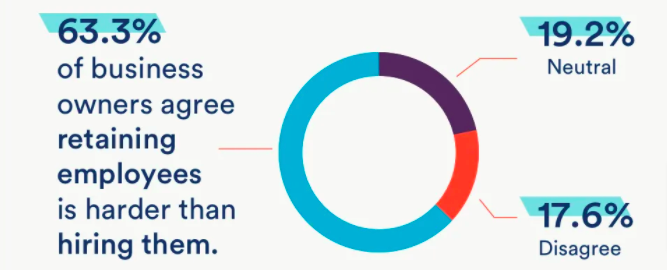
For instance, did you know customers will pay up to a 16-percent price premium and display greater loyalty if a company delivers an excellent experience? Or 63 percent of companies say retaining talent is harder than hiring?

online survey creator employee retention

What’s the common denominator between those statistics? They both demonstrate the value of feedback surveys.

By surveying your workforce or customer base, you can identify the things that are making them unhappy and take action to set them right. This means no more losing customers or talent to your biggest rivals.

Why Should You Use an Online Survey Creator?

I’ve already touched on a couple reasons why you should be using online survey creators to assess customer and employee sentiment, but there are lots more.

5 Reasons to Send Customer Surveys

  1. Customers appreciate being given a platform for their opinions. According to Microsoft, 77 percent of customers say they look more favorably on brands that ask for and accept feedback.
  2. Online surveys help brands deliver better customer service. That’s important, because 73 percent of Americans say experiencing good customer service increases their chances of spending more money than planned, according to research from the International Council of Shopping Centers.
  3. Solving customers’ problems improves your retention. By surveying your customers, identifying the issues they’re facing, and overcoming them, you stand a better chance of keeping them.
  4. Improving retention is cheaper than chasing new customers. In fact, acquisition is estimated to cost anywhere between five and 25 times more than retaining existing customers. That’s another compelling reason to start surveying your customer base.
  5. Customer experience is the biggest focus for business leaders right now. That’s right, almost 46 percent of business leaders say CX is their top priority, ahead of product (34 percent) and pricing (21 percent). How can you improve your customer experience if you don’t understand how good (or bad) it is at the moment?

3 Reasons to Send Employee Surveys

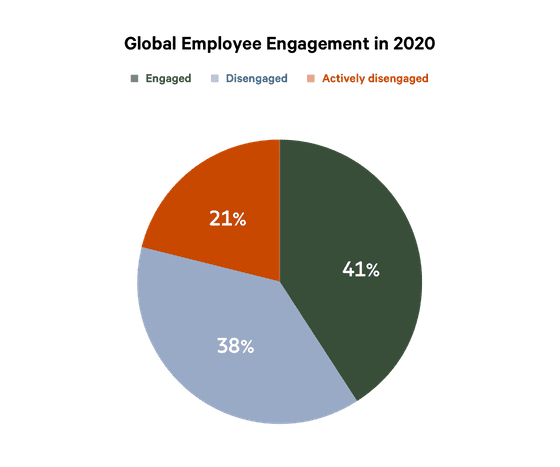
  1. Most of your employees aren’t engaged. Worldwide, 59 percent of employees say they’re either disengaged or actively disengaged at work. Using an online survey creator can help you understand why that’s happening (and hopefully turn it around).
online survey creator employee engagement stats
  1. Companies with engaged employees perform better. According to Gallup, highly engaged business units see a 41 percent reduction in absenteeism and a 17 percent increase in productivity. What’s more, a separate Gallup survey shows engaged organizations generate up to 18 percent more revenue per employee.
  2. Employee engagement surveys help you improve processes like onboarding. After all, how can you deliver an effective onboarding program without gathering feedback from people who have recently experienced it? It’s certainly in your interest to get onboarding right, because 69 percent of employees say they’re more likely to stay with a company for three years if their onboarding experience was excellent.

Top 10 Online Survey Creators

Here are online survey creator tool options, including how they work and their main features.

#1: Qualtrics

How It Works

Increase your chances of asking the right question in the right way and at the right time by choosing up to eight question types and including 15 questions per survey. All surveys can be sent out via multiple channels, including email.

Main Features

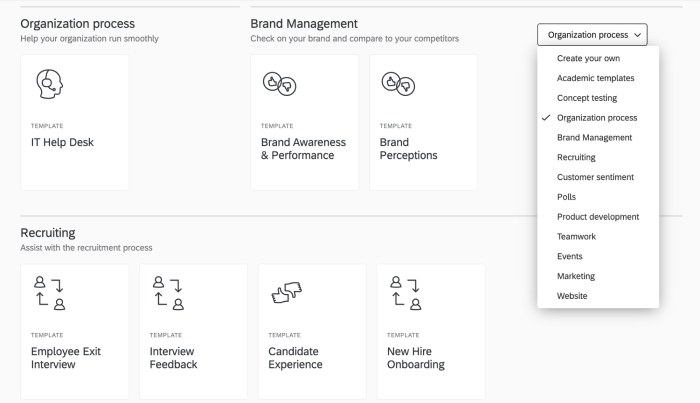
Qualtrics’s ExpertReview feature helps you hone in on the right question types and survey formats by giving you real-time recommendations and letting you choose from a wide selection of expert-built survey templates.

online survey creator - qualtrics

Pros

  • Qualtrics Surveys accounts are free to set up, with no need to enter a credit card number.
  • Access over 20 template types, from demographic polls to employee suggestions.
  • Built-in reporting lets you keep up with responses as they come in.

Cons

  • Free accounts are limited to 100 responses and one active survey.
  • The level of detail and range of options can be overwhelming for newcomers.
  • With no “undo” functionality, editing surveys rely on finding the correct backup version.

#2: SoGoSurvey

How It Works

SoGoSurvey offers different options depending on the goal of your survey. For instance, customer experience surveys use APIs to automate feedback collection by hooking into your CRM, while responses are analyzed using natural language processing.

Main Features

Choose the plan that fits your needs. If you just need to send basic surveys, you don’t need to pay for functionality like auto-translation and advanced skip logic.

Pros

  • Tailored options for customer and employee experience surveys.
  • Add your own branding to the survey, thank you page, and more.
  • Access regular best practice webinars and free training to help you get the most from the product.

Cons

  • Comparatively expensive if you only need it for one or two months a year, with monthly prices starting at $199.
  • Some features, like word clouds, are only available at the Enterprise product tier.
  • In a similar vein, the free tier is very limited.

#3: SurveyMonkey

How It Works

SurveyMonkey is arguably the best-known online survey creator, and certainly one of the simplest to use. Set up an account for free and you can start building your first survey straight away.

Main Features

SurveyMonkey offers 15-question types, including multiple-choice, text box, and Net Promoter Score. Alternatively, choose from a catalog of more than 1,600 questions written by survey experts.

Pros

  • Free account option is extremely generous in its functionality.
  • Simple online interface is easy for anyone to pick up.
  • Buy responses from specific audiences based on attributes like location, gender, age, income, and employment status.

Cons

  • The simple layout isn’t necessarily the most professional-looking on the market.
  • Free plans are limited to viewing the first 40 responses received.
  • Harder to customize and personalize than some other options.

#4: Google Forms

How It Works

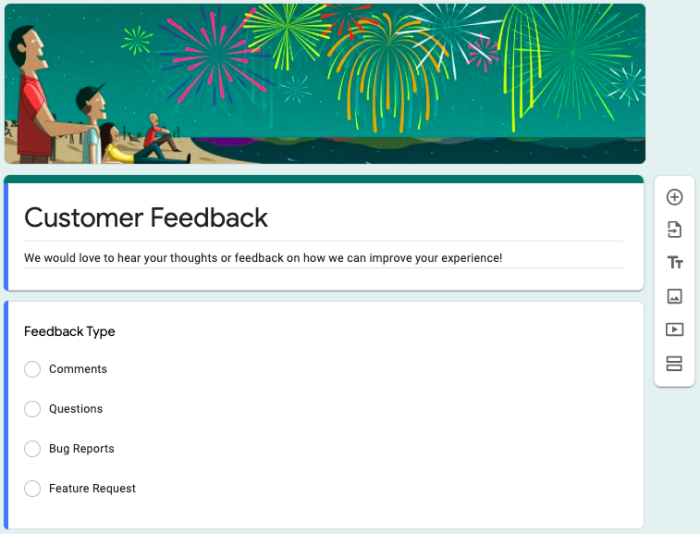
Know how to use Google Drive? Then you know how to use Google Forms. Just log into Drive, click to create a new form, then choose from a prebuilt template or start from scratch.

online survey creator - google forms

Main Features

In keeping with Google’s mobile-first ethos, Google Forms is responsive, making it easy to create surveys that look good and function smoothly on mobile devices.

Pros

  • Completely free for personal use.
  • If you already use Google Drive, you’ll be instantly familiar with how to use Google Forms.
  • Add collaborators to build Forms with you, just like in other Google Drive tools.

Cons

  • The simple interface can appear unprofessional, so it’s better for internal use.
  • Limited ability to change the layout or add graphics and other media.
  • Fewer question types available than some other platforms.

#5: Smartsheet

How It Works

Smartsheet is much more than a surveying tool. Rather, it’s a collaboration and work management platform that can be used to assign tasks, manage calendars, track progress, share documents, and much more. Surveys are just one part of the feature set.

Main Features

Forms can be created to gather survey responses, then shared via email or hyperlink, or embedded in dashboards or webpages.

Pros

  • Follows the basic setup of Microsoft Excel, making it simple to use.
  • Offers extensive automation and collaboration options.

Cons

  • Surveys are only a small part of Smartsheet’s functionality, so you might be paying for a lot of features you don’t need.
  • Users report some issues when importing and exporting from Excel.

#6: Client Heartbeat

How It Works

As the name suggests, Client Heartbeat is 100 percent geared toward measuring client satisfaction and improving retention. It’s a simple feedback tool that assesses happiness levels to identify unhappy customers.

Main Features

Choose from a list of prebuilt questions already being used by brands in your industry, allowing you to compare your scores against those of your biggest competitors.

online survey creator - client hearbeat

Pros

  • Live customer service dashboard can be accessed free of charge.
  • Interface is simple to use without any training.
  • Industry benchmarking adds context to your results.

Cons

  • Features are more limited than some of the other platforms on this list.
  • Specifically designed for customer satisfaction rather than employee engagement.
  • Limited functionality makes the pricing a little expensive.

#7: Zoho Survey

How It Works

Zoho Survey is a highly customizable online survey creator, with extensive options for tailoring surveys to fit your brand and house style, plus the ability to choose from more than 25 question types.

Main Features

Zoho offers multiple ways to send surveys, from the basics (like web links and email campaigns), to more advanced options like QR codes and private group access.

online survey creator - zoho survey

Pros

  • Free account level allows unlimited surveys with up to 10 questions and 100 responses per survey.
  • Surveys can be embedded in emails, making them easy to access.
  • Drag-and-drop interface makes it relatively simple to design complex surveys.

Cons

  • Interface is perhaps harder to grasp than more user-friendly tools like Google Forms.
  • Limited customization options, unless you upgrade to one of the paid product tiers.

#8: Qualaroo

How It Works

Qualaroo uses “Nudges” (a type of pop-up) to online survey creator customers when they’re on your website, rather than contact them down the line via email or some other channel.

Main Features

Unique calls to action can be created based on the language used by surveyed customers thanks to sentiment analysis powered by IBM Watson. For instance, angry responses might automatically generate a task for the customer success team to get in touch.

online survey creator - qualaroo

Pros

  • Qualaroo claims its native surveys are 10 times more valuable than email surveys.
  • Questions are asked when customers are on your site, making their feedback more timely.
  • No impact on page speed, so it doesn’t hamper user experience.

Cons

  • Pricing is based on tracked page views per month, which is more complex than other options.
  • No templates for employee engagement surveys at time of writing.
  • Best for micro-surveys of one or two questions.

#9: SurveyPlanet

How It Works

SurveyPlanet is a simple, affordable online survey creator with an extremely robust free tier offering all the functionality you need to build unlimited basic surveys.

Main Features

Unless you need advanced features like question branching (whereby users are asked different questions based on their previous responses), you’ll be just fine with the free version of SurveyPlanet.

Pros

  • Offers a huge amount of free functionality, including unlimited survey responses.
  • Simple pricing; if you want more features, there’s just one paid tier at $20 per month (or $180 per year).
  • Access dozens of prewritten surveys and a bunch of basic templates for free.

Cons

  • Branching (or skip logic) is only available for paid users.
  • Likewise, customization options are limited at the free account level.
  • Paid tier is less advanced than more expensive alternatives like SurveyMonkey.

#10: Typeform

How It Works

Typeforms are customizable online survey creator forms that can be embedded on your website, launched in an email, or shared via hyperlink. Responses can be synced to Google Sheets, and notifications can be sent to other tools like Slack, so it’s easy to see when a response has been received.

Main Features

Unlike a lot of the other tools in this list, Typeform is all about building stylish surveys. You can even add visual elements like images, videos, and GIFs to your forms.

online survey creator - typeform

Pros

  • Webpage forms are stylish, engaging, and fun to complete.
  • Access extensive templates on employee engagement, branding, customer satisfaction, and more.
  • Choose from 18 different question types.

Cons

  • The editor takes some getting used to.
  • Even the mid-tier package only offers 500 responses per month as standard, making it comparatively expensive to gather a lot of data.
  • Typeform branding can only be removed at the middle product tier.

Conclusion

Clearly, there are a lot of choices in the online survey creator market. Employee and customer satisfaction surveys are valuable, so if you’re not doing them now, pick a tool with a robust free tier and get going.

Once you’ve found an approach that works, feel free to switch things up by testing more advanced features, formats, and layouts.

What’s your favorite online survey creator? Think I’ve missed something? Let me know in the comments.

Top 10 Garage Door Podcasts You Must Follow in 2021

Top 10 Garage Door Podcasts Contents [show] ⋅About this list & ranking Garage Door Podcasts The Aaron Overhead Door Cast Torsion Talk Podcast Yazminia Placide’s Podcast Bwi Garage Doors GVA Garage Doors Garage door repair fort collins’s Podcast Submit Blog Do you want more traffic, leads, and sales? Submit your blog below if you want to grow […]

The post Top 10 Garage Door Podcasts You Must Follow in 2021 appeared first on Feedspot Blog.

The post Top 10 Garage Door Podcasts You Must Follow in 2021 appeared first on ROI Credit Builders.

The post Top 10 Garage Door Podcasts You Must Follow in 2021 appeared first on #1 SEO FOR SMALL BUSINESSES.

The post Top 10 Garage Door Podcasts You Must Follow in 2021 appeared first on Buy It At A Bargain – Deals And Reviews.

Alonso: No excuses, I need to be better

Fernando Alonso has said there is no excuse for his performance at the Emilia Romagna Grand Prix.

The post Alonso: No excuses, I need to be better appeared first on Buy It At A Bargain – Deals And Reviews.