Business Valuation

What is a Business Valuation? According to Investopedia, “A business valuation is a general process of determining the economic value of a whole business or company unit.” Basically, it determines how much your business is worth. A business valuation gives your business an objective estimate of value.  It is usually done by a professional business evaluator

Why Would You Need a Business Valuation?

The obvious reason is to determine sale value. However, you may also need one to establish partner ownership or for tax purposes.

When Do You Have to Have a Business Valuation?

Some events trigger the need for a valuation.  In these cases, it isn’t optional. You must have one when a shareholder dies, closely-held stock is given as a gift, or you need an equity compensation valuation.

You also need one when there is a dispute as to business value.  For example in the case of a shareholder dispute or a divorce. Other reasons include if you need to create an employee stock ownership plan, you are converting from a C-corp to an S-corp, a charitable contribution is made, or you have to allocate intangible asset

Equity Compensation Valuations

You need one to complete an equity compensation valuation, but they are not the same. Equity compensation is the non-cash pay representing ownership in a business.  It can include options, restricted stock, and performance shares. It allows employees to share in the profits via appreciation and can encourage retention, particularly if there are vesting requirements. To determine the value of the equity compensation, you must first have a business valuation.

Keep your business protected with our professional business credit monitoring.

How Can a Business Valuation Change the Way You View Your Business?

Many business owners have no clue what their business is worth. Most think it is worth more than it actually is, though some may not recognize the gold mine they are sitting on. Knowing what your business is worth can change the way you view your business.  You can begin to recognize what you have to work with.

You can see potential for growth, and also get a handle on worst case scenarios if you have to liquidate quickly.  It allows you to get a handle on what you are working for, and how your previous hard work has paid off. Valuation lets you see where you stand and can help you plan for the future.  For example, if you want to retire with a certain amount and you intend for the sale of your business to help you reach that goal you must know what your business is worth.

How do you Assign Value to a Business?

There are several methods for valuing a business. They include market capitalization, times revenue method, earnings multiplier, discounted cash flow (DCF), method, book value, and liquidation value.

The Market Capitalization Method

Market capitalization refers to the total market value of a business’ total outstanding shares of stock. it’s often called the “market cap.” It is calculated by multiplying the total number of a company’s outstanding shares by the current market price of one share.Companies are typically divided according to market capitalization as follows: large cap equals $10 billion or more, mid cap equals $2 billion to $10 billion, small cap equals $300 million to $2 billion.

Market capitalizationis a quick and easy way to estimate a company’s value. It gives an idea of what the market thinks the business is worth. However, it only works for publicly traded companies. This also means, of course, that the market cap changes with changes in the market.

A simple example of the market capitalization method: Consider a business has 1 billion shares of stock outstanding. If the current market price of one share is $2, then the market cap would be 1 billion shares x $2, or $2 billion. This would put it in the mid cap range.

The Times Revenue Method

The times revenue method of business valuation applies a multiplier to revenue over a specific period of time. The multiplier depends on the industry and economic environment. For example, a tech company may be valued at 3x revenue, while a service firm may be valued at 0.5x revenue.

The times revenue method determines a maximum value, or ceiling.  You can use it to determine a range of values. You can apply the multiplier to projects to estimate future value. Again, the multiplier used depends on the industry the business is in and the current economic environment.

Keep your business protected with our professional business credit monitoring.

Earnings Multipliers

The earnings multiplier is actually a more accurate way to get real company value than the times revenue method. This is because the earnings multiplier considers future profits against cash flow potential at the current interest rate over the same time period. Put another way, it adjusts the current price-to-earnings ratio (P/E Ratio) for current interest rates.

The P/E ratio shows the earnings per share of stock in relation to the current price of the stock. This process acts as a quick and dirty tool to help compare the cost of the stocks with other, similar companies. It can help investors judge current prices of stock in relation to historical prices.

An Example

These two methods are calculated the same way, but with different multipliers.  The revenue number may look different as well, depending on the period of time you use in the calculation. Imagine a company has an adjusted net profit of $1,000 and the multiplier is 4.

Then the value of the business is $1,000 x 4, or $4,000. To a potential buyer, this means that, as long as profits are continued at the same level, they will receive about $1,000 per year for the $4,000 investment, or a return of 25%.

The Discounted Cash Flow Method

The discounted cash flow method (DCF) is similar to the earnings multiplier. It too uses projections of future cash flows and adjusts them to get the current market value of the company.  The difference is this method takes inflation into account when calculating the present value. The goal of the DCF method is to determine the current value of an investment based on projections of how much money it will generate in the future.

The purpose of this valuation method is to get an idea of the money an investor would make from an investment. It is adjusted for the time value of money.The time value of money is the idea that a dollar today is worth more than that same dollar would be tomorrow. This is because you could invest that dollar today, but if you waited until tomorrow it would be invested one day less. Therefore it would be earning for one day less. As a result, it would not be worth as much.

To help understand the time value of money, and thus how it affects the DCF method, consider the following example. Imagine a company releases a new product on January 1st that is hugely successful. Any investors waiting until January 2nd to invest would not benefit from those first day sales. Therefore, their investment is not worth as much as if they had invested on January 1.

Book Value

Book value is simply the value of equity from the balance sheet. You get it by subtracting total business liabilities from total business assets. The book value is the total value of company assets stockholders would receive, theoretically, if the business were liquidated. Compare it to market value to help determine if stocks are over- or underpriced.

So, if a business has total assets on the balance sheet that equal $10,000, and they have total liabilities that equal $4,000, the book value of the company is $6,000. That means, if the business were liquidated, the stockholders would split $6,000 based on the number of shares they hold.

Liquidation Value

Liquidation value is a little easier to understand. It is the value of the company’s assets as they are today. Basically, it shows the cash a business would receive if assets were sold and all debts paid off today. This includes assets such as real estate, fixtures, equipment, and inventory.

It’s important to note that intangible assets are not included in this calculation of business value. Intangible assets are assets that are not physical, like goodwill and intellectual property like patents, trademarks, and copyrights.  Liquidation value will differ from book value. This is because book value uses what you paid for the assets minus depreciation, not what you could sell the asset for today.

Keep your business protected with our professional business credit monitoring.

Which Method Should You Use?

As you may have guessed, each method can yield a different value. The method you should use depends on your purpose for the valuation. For example, if you are trying to sell your business, potential buyers will want to know the income potential of the business. You must know that as well to price the business fairly.

For pricing a business to sell, an income-based approach, like the times revenue or earnings multiplier method may work best. However, if you are trying to determine a value for a divorce proceeding, an asset method may be better.

Which asset method you want to use will depend on which side you are on. If you are receiving the money, you may prefer the liquidation method. If you are paying, you may prefer to use the book value method. This depends on the difference in what you paid for the assets and what they would sell for today.

There are no hard rules on which method you should use when it comes to selling your business. Your business will always be worth what you are willing to sell it for, and what a potential buyer is willing to pay for it. Value is calculation.  Price is a negotiation. That said, if you need a valuation for another reason, you may have to use a specific method.

Who can do a Valuation?

An official business valuation in the US must be completed by an Accredited Business Valuation (ABV) professional. This is an accreditation accountants can get for specializing in calculating the value of businesses. The certification is handled by the American Institute of Certified Public Accountants (AICPA).  To get a certification in business valuation, an accountant must (among other things), pass the required exam and meet minimum business experience and education requirements.

Of course, you can calculate the value of your business using any of these methods yourself. This is assuming you know the formulas and the numbers to plug in. But it will not stand for official purposes. Also, you run the risk of being wrong and losing out in the long run. It is definitely better to have an ABV specialist handle this.

Business Valuation: Takeaways

Business valuation assigns economic value to a whole business. There are several reasons you may need a valuation. These include pricing your business for sale, or for divorce proceedings, and some events require that a valuation be done.

It can also change the way you view your business. There are many methods for assigning value to a business. The one you choose will depend on the reason for doing the valuation. An official business valuation must be done by an Accredited Business Valuation professional.

The post Business Valuation appeared first on Credit Suite.

15 Actionable Examples of Fashion Marketing

From high fashion to a terrible sense of fashion, wherever we fall on the spectrum, fashion marketing comes our way online, on television, catalogs, billboards, window shopping, and more. We are bombarded with messages of what we should be wearing, and why.

If you’re on the marketing or sales side of fashion, how do you leverage your message to reach the right buying audience? In this guide, let’s learn what fashion marketing truly is and how to form your own strategy if you work in the fashion field.

What Is Fashion Marketing?

Because we interact so often with fashion marketing from a consumer perspective, we may think we have a clear picture of what all goes into it. We may have some idea of what fashion marketing is, but maybe we don’t understand all the logistics behind it.

Fashion marketing is about advertising and promoting fashion to the right market in various ways, from print to online, in-person to digital. Remember that it’s more than clothes; it’s also accessories, including hats, shoes, jewelry, and outerwear, that help people connect with and showcase a certain style.

What Sets Fashion Marketing Apart From Marketing in Other Industries?

While any industry can leverage the wide world of marketing opportunities, fashion marketing has its own unique practical implications that may impact certain marketing choices.

Just like any kind of marketing, fashion marketing has to start from a pain point, and there’s often kind of an obvious pain point, as well as the deeper whys.

For instance, there’s hunger with food marketing, of course, but there’s also why you want to buy, cook, or eat that food.

Let’s switch back to fashion marketing and think about that obvious point first. Fashion marketing does have a practical side. We have to wear clothes. Fashion marketing tells us which ones we should wear.

Then there are the deeper whys. It’s not just about protecting your body from the elements. Style is about being part of a community and expressing something about yourself.

That’s the story that brands can tell across their marketing campaigns.

As fashion marketers consider those pain points and the motivations of their consumers, they also have to think about seasonal changes and when consumers are primed to purchase for that next season.

They also have to stay ahead of style trends, while maintaining a balance with practical options for consumers. Price points are another tricky topic for fashion marketers. Fashion can range from thrifty and economical to high-end and luxurious.

There’s a lot we can learn from luxury marketing, but it’s important to remember that fashion marketing can span a more approachable and inclusive market as well.

15 Examples of Great Fashion Marketing

There are many ways to get the word out about your fashion brand, but you can get a lot of tips from big-name brands that are out there.

1. Allbirds

Examples of Great Fashion Marketing - Allbirds

It’s hard to know what an item is going to look like on your own body when ordering the product online. Allbirds advertised an in-app, try-on experience. Using augmented reality, the try-on feature allows you to see what the shoes would look like on your own feet. To advertise this feature, Allbirds created a social media ad series with a video showcasing how you can do a virtual try-on. The ad also speaks to the brand’s environmental causes.

2. Warby Parker

Examples of Great Fashion Marketing - Warby Parker

Warby Parker did something similar to help their customers get an idea of what their glasses would look like on themselves before they order. They created an app-based, virtual try-on experience and a series of TV ads to get the word out about the app. Since it’s a relatively new idea that many may not be as familiar with, the TV ad shows how it works and how customers can “try on” glasses to decide which ones to order.

3. Patagonia

Examples of Great Fashion Marketing - Patagonia

Patagonia also wanted to use their marketing efforts to speak to a certain cause greater than their own brand. To encourage environmental awareness and a better use of resources, they created a Worn Wear campaign. They took to the road and did a cross-country trip with a team of people who could repair clothes. People were invited to bring worn-out clothes and be given new life. These kinds of long-term marketing efforts are quite the undertaking, but the sense of giving back to the community, aligned with your brand’s philosophies, is something that any brand could try, even on a local level.

4. Ted Baker

Ted Baker came up with an interactive catalog or lookbook, using a 360-degree film experience. The video consists of various vignette scenes of a midcentury family in their home and neighborhood. The scenes are relatively minimal to really showcase the clothes. It went along with a series of commercial style videos with the hashtag #MeetTheBakers. Even if you don’t have the Ted Baker budget, anyone could use videos to showcase their clothes on the whole family and highlight how they could be worn in everyday, or fantasy, life.

5. DKNY

Examples of Great Fashion Marketing - DKNY

DKNY leveraged the power of hashtags and of having a brand consisting of four letters, in their #DKNYStateofMind campaign. That hashtag became popular among influencers, bloggers, and other content creators. In addition to launching a new line with this, they also utilized inspiring graphical messages, with the letters D, K, N, and Y highlighted. It showcased who they are as a brand, both in their clothes and their message.

6. Everlane

Examples of Great Fashion Marketing - Everlane

One of the challenges of selling fashion is helping buyers understand how a piece would work in their wardrobe. Just a single image in a catalog or on a sign may not be convincing enough. Everlane created an influencer marketing campaign where they asked fashion bloggers to create three looks with their jumpsuit. This helped potential buyers see the versatility of their product, as well as the different women wearing them. Everlane shared these on social media, but they also got coverage on blogger websites, such as The Golden Girl Blog. This was great for SEO and backlinks for Everlane.

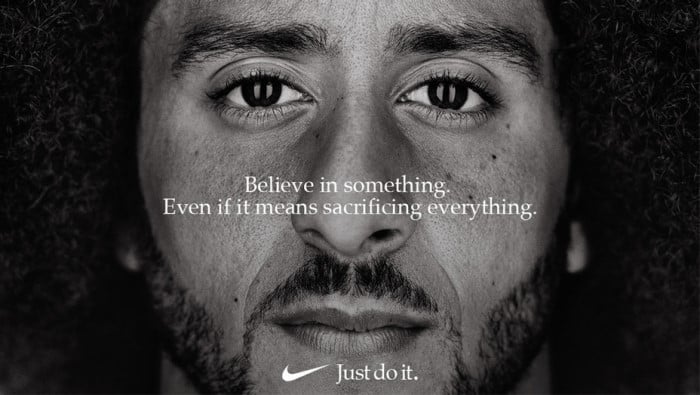
7. Nike

examples of great fashion marketing - nike

Sometimes it’s about more than selling shoes. Fashion marketing can sometimes take up causes or philosophies greater than just the clothes they are selling. Even when ads take that approach, it’s about aspiration that is connected intrinsically to fashion. We wear what we wear to send some kind of message.

Nike has long had a history of memorable ads, starting with “Just Do It” and leading to their Colin Kaepernick “Believe in Something” campaign. This kind of fashion marketing doesn’t necessarily showcase the actual products, but they do get people talking, such as in this Forbes article. By taking a stand and creating a campaign around it, fashion brands can align themselves with a certain ambition or way of thinking that may convince consumers to buy and wear their products to align with that mission, too.

8. Lululemon

examples of great fashion marketing - lululemon

In a similar fashion (pun intended) to Nike’s stances, Lululemon has leveraged the community to build their brand. They talk about believing in what their athletic wear is capable of helping people do by living the life they want.

They use their social media platforms to create that community, sharing ideas and tips and allowing others to share their experiences through their ambassador program. In that vein, they use those platforms not just to share their clothes, but to share guidelines they expect from themselves and those in their community. It’s a way of leverage aspirational marketing, like Nike does, in a welcoming, inclusive manner.

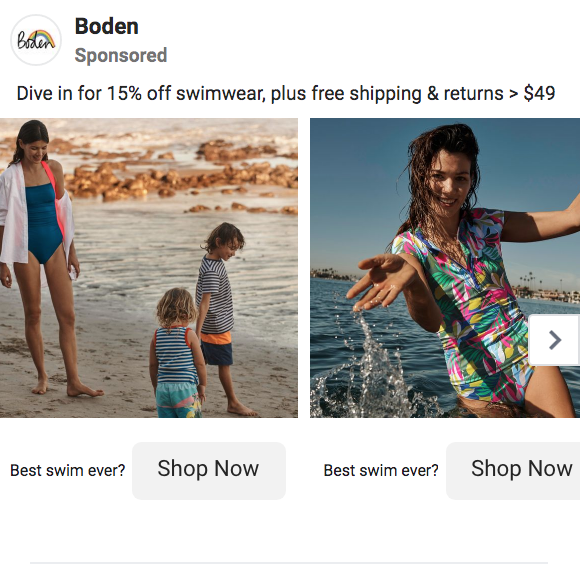
9. Boden

Examples of Great Fashion Marketing - Boden

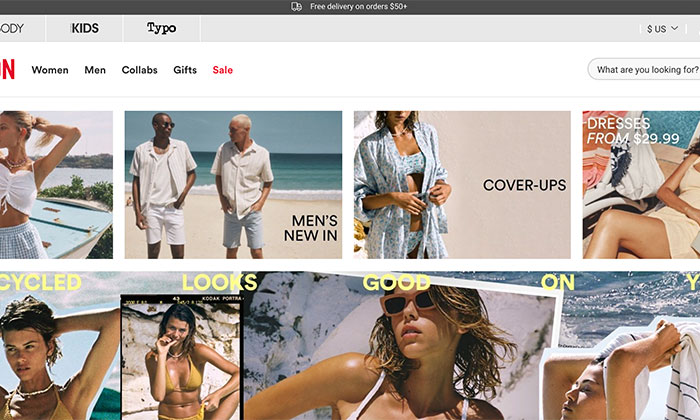
When it comes to fashion marketing, sometimes it’s about being there at the right time, with the right offering. In other words, keeping it simple can be some of the most effective fashion marketing. Here’s an example of a Boden Facebook post highlighting their swimsuits with beachy images. This ran in April just as spring is starting to warm and people are starting to dream about summer vacations and beach plans. Seeing this post in this season, with that discount incentive may have daydreamers clicking through.

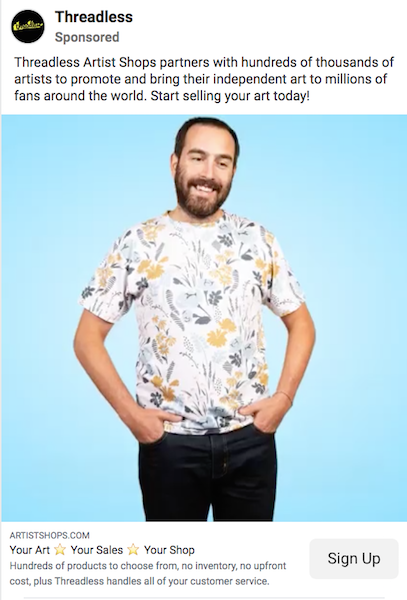
10. Threadless

Examples of Great Fashion Marketing - Threadless

Social media campaigns are also a great way to tell your brand story. In fashion marketing, the story behind the products can be as important as the products themselves. Explain to consumers how products came to be, including the design process and the production. People want to know where their clothes and accessories come from and are intrigued by interesting stories. Threadless uses its social media posts to talk about its work with independent artists in creating unique product lines. People who are seeking a different look, and who also want to support independent artists, will resonate with that story.

11. Levi’s

Examples of Great Fashion Marketing - Threadless

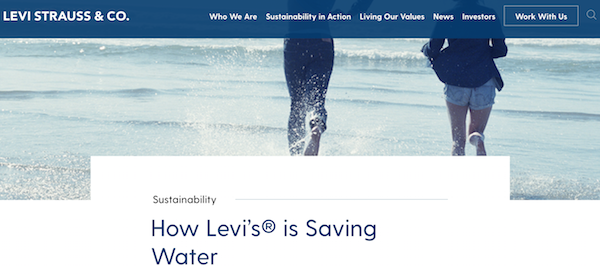
We’ve talked about fashion marketing in regard to aspirations and bigger thinking as well as telling brand stories. Levi’s has built a campaign around its water-saving measures. They developed a trademark around their techniques called Water<Less™. They shared this story on their website and social media.

12. Kotn

Examples of Great Fashion Marketing - Kotn

Another way to leverage word-of-mouth marketing is to share reviews from customers. In a sponsored Facebook post, Kotn leveraged a review from a customer who talked about the company’s ethics and commitments to sustainability. They paired this review with an image of a product and a link to shop now. They also included their return policy, which is a great reminder for those who are shopping online and can’t try on.

13. Atlas Supply

Examples of Great Fashion Marketing - Atlas Supply

Getting consumers involved with a brand is a component of fashion marketing. Customers can grow loyal to certain fashion brands they believe in and with whose values they align, as we discussed above. Finding ways for customers to be involved in the whole process, from design to sales, is great to build that loyalty. Atlas Supply did this in an Instagram post where they asked followers to help them name their next product, in return for a free bag.

14. Tommy Hilfiger

Examples of Great Fashion Marketing - Tommy Hilfiger

Sometimes fashion marketing is about being cutting edge, not just in design and style, but in how you design and style. Tommy Hilfiger announced that they would be incorporating 3D design into their process to lean into digital opportunities and be more sustainable. To make more of a splash, they didn’t just start the process but announced that their spring 2022 line would be designed this way, giving fashion aficionados something to watch for.

15. ThredUP

Examples of Great Fashion Marketing - ThredUp

As discussed, engaging with your loyal customer base is a great way to share your message and get the word out about your brand. Allowing customers who love your brand to share that in their own way can bring authenticity to your fashion marketing, rather than just your speaking all the time. ThredUP has included sections in their YouTube channel where they share user-generated content.

Conclusion

Fashion marketing covers a wide range of brands, from the thrifty to the luxurious, but what they all have in common is the need to understand your target audience and why they wear what they wear.

E-commerce fashion marketing touches on everything from the actual products to aspirations and greater causes. Consumers can hear from loyal customers about what they love about your products, how they are made, what your brand stands for, and more.

Are you a fashion brand looking for help with your strategy? Our agency can help with everything from SEO to social and paid campaigns. Reach out if you want to hear more.

What new fashion marketing idea are you ready to try for your brand?

Why Entity-Based SEO is a New Way of Thinking About Optimization

Search engine optimization (SEO) used to be defined by the number of keywords and keyword synonyms across your website’s content. 

When Google launched its knowledge graph, SEO shifted away from simply relying on keywords, and search engine crawlers began prioritizing rich snippets and entities on search engine results pages (SERPs).

These days, Google has more systems to identify the true meaning of keyword searches and queries. By categorizing ideas into “entities,” Google revolutionized its search proficiency.

While keywords are still important, SEO experts now also use entity-based SEO to further their ranking efforts. Context and relevance are becoming increasingly important in search engine results, and entities can help improve these factors. 

In this article, we’ll explain what entities are, how to use them, and what the future of SEO might look like.

What Is Entity-Based SEO?

Entity-based SEO uses context, not just keywords, to help users find the information they seek.

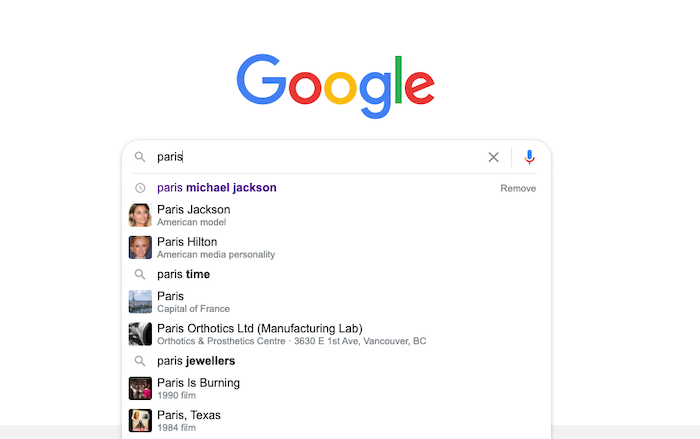
While keywords are an essential part of your SEO strategy, they don’t fully reflect how humans search for information. For example, a person who searches for “Paris” may be looking for Paris Jackson, the city of Paris (in France or Texas), the movie Paris Is Burning, or innumerable other options.

Google offers suggestions for searchers regarding additional context, which serves the dual purpose of speeding up their searches by showing popular options and reminding them to add more context if none of those are what they need.

google search for paris showing entity based seo

Entity-based SEO is helpful for searchers but slightly has made things a bit more complicated for content creators. Three ways entity-based SEO has changed the landscape include:

  1. Better mobile capabilities: Entities allowed SEO to improve mobile results. Entities also improved mobile-first indexing, which is more prevalent than desktop searches. 
  2. Translation improvements: Entities can be found regardless of homonyms, synonyms, and foreign language use thanks to context clues. For instance, a search for “red” will include results for “rouge” or “rojo,” if the searcher’s settings allow for this. 
  3. Rich snippets: Rich snippets, which include things like photos and customer ratings as part of their results, generally outperform even number one search results.

Keywords Vs. Entities: What’s the Difference?

Entities might sound similar to keywords. In fact, they are quite different. Here’s how they differ and why those differences are so important.

Keywords

Keywords are words or phrases used in searches. They’re often the focal points of terms users search for and can be questions, sentences, or single words.

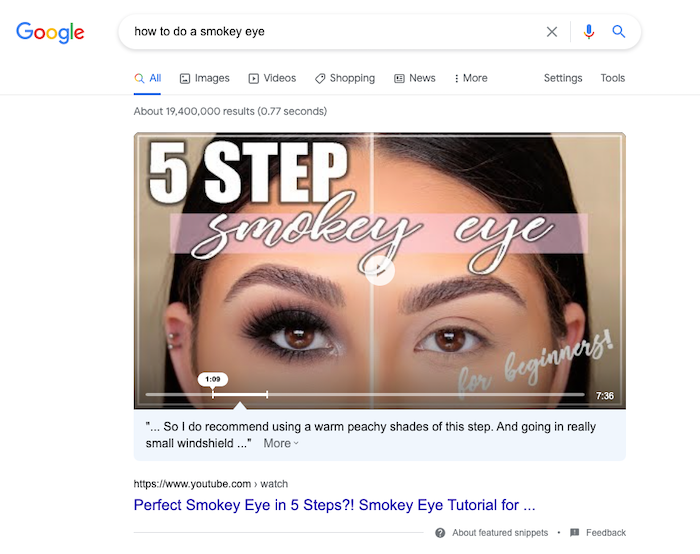
For example, users looking for makeup tutorials may search for makeup, tutorial, smokey eye, how to do a smokey eye, and so on.

entity based seo smokey eye example

Keywords still matter because they connect your content to queries. Your goal is to drive organic traffic to your site by ranking for keywords that help customers find your brand on search engines.

Keywords have long been the backbone of SEO, mainly because search engine algorithms needed clear, concise direction to populate relevant search results.

In the early days of SEO, keyword stuffing, which involves adding your chosen keyword far too many times or including largely irrelevant, popular keywords, was used constantly. At the time, search algorithms needed to see specific keywords repeatedly to rank content properly.

These days, algorithms have evolved significantly, and many old SEO tactics are, at best, frowned upon.

Google has always maintained that good copy and content are preferred over keyword stuffing and other black-hat SEO tricks.

Entities

As defined by Google, an entity is “A thing or concept that is singular, unique, well-defined and distinguishable.” This doesn’t need to be a physical object and can include colors, dates, ideas, and so on. 

Entities can be people, places, products, companies, or abstract concepts. They should always be distinct and independent of other entities or keywords.  

Emphasizing entities over keywords has allowed search engines to be more accurate in their results. However, search engines aren’t psychic—they need more information to figure out which entity you’re searching for.

For example, a search for the word “apple” could result in pages about the fruit or pages about the company. As interesting as both topics are, if you’re searching for information about whether apple seeds are indeed poisonous, reading about iPhones probably won’t be too helpful. You need to add some keywords to tell the search engine which entity you mean. 

apple fruit vs Apple company logo entity based SEO

We can think of entities as large topics keywords live within. For entities to be legitimate, they need to link to a search engine knowledge graph representing linked information and data across the internet. Knowledge graphs allow search engines to scan your website effectively

Google’s Knowledge Graph used Wikipedia as its primary trusted seed set. An easy way to think about entities is that they are anything that could have a specific Wikipedia page assigned to it. 

It’s important to note that not every entity has a Wikipedia page. This could just be a helpful way to think of the concept.

How Do Entities and Keywords Work Together?

Keywords with context help entities become defined, but you need to know precisely what your entity is all about before you can create your keyword-rich and well-written content. An SEO strategy recognizing both factors is your best bet for success.

On-page, you can create entities for an internal knowledge graph that uses keywords to link to different pages on your site. You can also connect your content to high E-A-T knowledge graphs such as Wikipedia or LinkedIn. While this won’t directly affect your page rank, it can improve your page authority in search.

Benefits of Entity-Based SEO

Entity-based SEO is more relevant, refined, and granular than keyword SEO alone.

Over time, improvements in automated natural language processing and new search methods like chatbots and digital assistants have made search queries longer and more complicated.

Yet, most search queries still relate to an entity. For example, “Things to do in Brussels” or “What to do in Brussels today” relates to Brussels, Belgium. Even without the quantifier of Belgium, search engines can tailor their results based on previous entity knowledge and context.

For marketers, entity-based SEO offers more concrete discoverability. Ensuring your brand is a concrete entity could help you include a large number of keywords that may not have been previously available. Nike, for example, can be searched through running shoes, tennis shoes, workout clothes, Air Jordans, and more, without users getting lost along the way. 

In e-commerce, entity-based SEO can connect your products under a single entity. For example, if you sell windows in Paris, France, you may be able to contribute keywords to the Paris, France entity, opening up your business to potential new clients. Also, connecting your window selling business to Paris, France, helps ensure customers living in Paris, Texas, won’t see your content and mistakenly order from you.  

How to Shift Your Strategy to Entity-Based SEO

Adding an entity focus to your existing SEO strategies could help you prepare for future algorithm updates.

Understanding which entities your business connects to and establishing your business as an entity in itself will become increasingly important in coming years.

How do you move on from previous, often keyword-focused strategies to an entity-based strategy?

List Your Business on Relevant Directories

One way to leverage entity-based SEO is to list your business on directories across the internet. Google My Business, for example, is used as a data source for the Google Knowledge Graph. 

Other listing services, such as Yelp, can also help create strong, domain-rich backlinks for your brand and help you create a known entity. Yelp appears in the top five search results in 92 percent of Google web searches.

Listing sites may change from location to location, so do your research when deciding where to list. Additionally, be sure to choose sites with high domain authority to improve your search engine standing. 

Using this strategy, businesses listed here can form entities and begin connecting unique keywords.

Prioritize Brand Building

Brand building is another essential tactic in entity-based SEO. Any offline brand presence measures need to be brought online, and you should always be considering new ways to create a well-defined and unique identity for your brand.

Managing your reputation is also increasingly important, as your reputation may factor into entity creation. Be conscious of the keywords you currently rank for and note—and correct for—any possible PR problems that could arise.

Consider Your Use of Interface Management Tools

Interface management is becoming a factor in entity-based SEO, as a silo approach to collaboration may negatively impact search engine visibility. This may happen despite keyword rankings, which could significantly affect some businesses.

Ultimately, focusing on keywords is not going to be enough going forward. Businesses and marketers need to shift their focus to entity-based SEO and start implementing tactics to ensure their content connects to their entities.  

Conclusion

Entity-based SEO can be a great way to communicate the context and relevance of your brand online.

By targeting ideas and context rather than words or phrases alone, entities build a bigger picture of your content, potentially allowing it to out-perform traditional keyword research methods.

We can expect to see more opportunities for marketers to create more depth in their branding strategies by focusing on entity-based SEO. 

In what ways have you experimented with entity-based SEO?

Puzzl (YC S19) Is Hiring for Technical Fintech Roles

Article URL: https://www.notion.so/Work-at-Puzzl-5445fc3614eb43fbbb2087a7b713a697

Comments URL: https://news.ycombinator.com/item?id=27007810

Points: 1

# Comments: 0

Sirum (YC W15) is hiring: join a fast-growing, mission-driven healthcare team

Article URL: https://www.sirum.org/about#careers

Comments URL: https://news.ycombinator.com/item?id=27009749

Points: 1

# Comments: 0

How to Make Money by Requiring a Minimum Order Quantity (MOQ)

If you run or are starting an e-commerce business, you might have heard the term “minimum order quantity,” or MOQ, floating around. If you have heard of it, chances are you feel conflicted. There’s advice for and against this method. This makes it difficult to decide whether it’s the right choice for you, especially if …

The post How to Make Money by Requiring a Minimum Order Quantity (MOQ) first appeared on Online Web Store Site.

How to Use First-Party Data for Ad Personalization

Have you ever felt like someone was watching you online? Those shoes you just searched for on Amazon suddenly show up in ads on Facebook. Maybe you start seeing ads on YouTube for a resort you were researching for an upcoming vacation. 

The truth is, you are being watched. In fact, marketers have used cookies to track the actions of internet users for years—but that may soon change. Google announced they are ending the use of third-party cookies. As a result, most businesses will have to rely on first-party data for things like ad targeting. 

What does that mean for your marketing strategy? It might not be as bad as you think. 

Here’s what you need to know about first-party data and how to use it to create targeted paid ads. (Spoiler alert: It might actually be better for your PPC strategy in the long run!) 

What Is First-Party Data? 

Before we dig into what this change means for your paid ads, let’s talk about the different types of data companies use in marketing. 

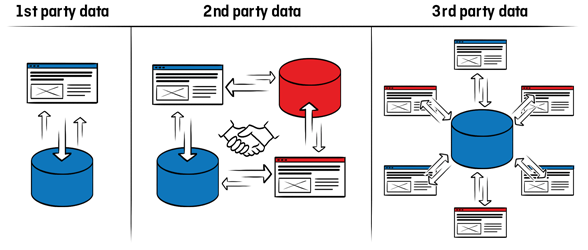
First-party data is information companies collect from their own sources about their customers. For example, the data from your website tracking tool, your email subscribers, or surveying your audience.

Second-party data is when two or more organizations come together to mutually share their data. Third-party data is collected by one source, often aggregated, and then sold to a third party who has no connection with the original source. 

To summarize:

  • first-party data: data you collect about your customers or site visitors
  • second-party data: data you and someone else pool together
  • third-party data: data collected by one party and sold or shared with an unrelated third-party 

What Is the Difference Between First-Party Data and Third-Party Data?

Third-party data, the type Google is phasing out, refers to data collected from (as you might have guessed) a third-party, meaning a site or entity without a direct relationship with the original source. 

Third-party data is collected, aggregated, and sold to other parties. The problem is the brands buying the data have little idea where it came from. 

There are other issues, too. For example, you can buy third-party data, but so can your competitors. That makes it hard to be competitive. 

This chart helps illustrate the difference between the different types of data. 

What Is the Difference Between First-Party Data and Third-Party Data

Why Is Third-Party Data Being Phased Out?

The main reason third-party data is being phased out is due to major security and privacy issues. 

David Temkin, Director of Product Management, Ads Privacy, and Trust at Google, shared, 

People shouldn’t have to accept being tracked across the web in order to get the benefits of relevant advertising. And advertisers don’t need to track individual consumers across the web to get the performance benefits of digital advertising. 

Advances in aggregation, anonymization, on-device processing and other privacy-preserving technologies offer a clear path to replacing individual identifiers.

Google isn’t the only one phasing out cookies. Firefox stopped using cookies in 2013, and Microsoft made “Do Not Track” their default setting the same year

In addition to privacy issues, cookies aren’t as accurate as some might think. For example, they can’t always track users across devices. 

If you shop on your phone for a pair of shoes but buy them on your laptop, you might still see ads for those shoes on your mobile device—which is terrible for ad spend, as brands waste money targeting users that have already converted. 

How Will Using First-Party Data Impact Ad Personalization?  

As Google phases out third-party cookies, many brands will begin using first-party data to better personalize ads. What does this mean for your paid marketing strategy? 

Don’t worry; you won’t have to rebuild your marketing strategy from scratch. However, there are a few changes you’ll want to pay attention to:

  • Brands will need to focus on collecting first-party data: If you haven’t been gathering data about your audience, now is the time. Consider hosting contests, using website tracking tools, or sending out surveys to collect more information about your audience. 
  • Competitive analysis will get harder: One of the downfalls of third-party data is that you and your competitors are using the exact same targeting data. With the move to away from third-party cookies, it might become harder to understand why your competitors are taking certain actions. 
  • Ads may get more personalized: First-party data is data from your actual site visitors and customers, making it easier to create a personalized experience. 

Day-to-day, the switch away from third-party data is unlikely to impact the marketing world in a massive way. Most brands will begin to rely on first-party data more; however, Google is also creating what they call a “privacy sandbox” to allow brands to target users without invading their privacy. 

Brands that want to succeed shouldn’t rely entirely on Google’s new data plan because there are a ton of advantages to using this type of data?

Advantages of Only Using First-Party Data for Ad Personalization 

Why should you consider moving to first-party data rather than relying solely on Google’s privacy sandbox? 

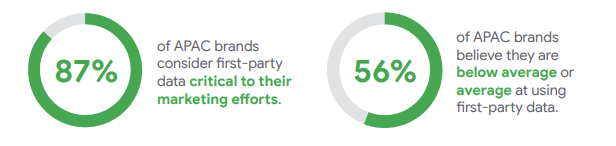
For starters, most brands are increasing their reliance on first-party data, which likely means they are seeing positive results. According to Google, 87 percent of APAC brands consider it critical to their marketing efforts.  

Google rate of first party data usage stat

Let’s look at a few other benefits to consider.

First-Party Data Is More Accurate 

First-party data is information you collect about your customers. This makes it more accurate because you know who it is about and where it came from. 

Third-party data is sold and sometimes resold, which means brands have no access to the source data and, sometimes, very little idea about where the data is actually from. 

Boost Marketing Performance 

Some people are really concerned about the end of third-party data, but I’m not. Why? Because first-party data isn’t just more accurate; it’s also much more efficient at driving consumers to take action. 

According to a study by Boston Consulting Group, marketers that use first-party data see a lift in marketing efficiency, generating nearly double the revenue from a single ad or placement.

Your Competitors Don’t Have the Same Data 

Standing out online sometimes feels impossible. With millions of companies, billions of internet users, and more content being churned out every day, brands that want to stand out face a ton of noise. 

With third-party data, you and your competitors can buy the exact same data, which makes it pretty hard to be competitive. However, your competitors don’t have access to the data you collect, making it easier to test new initiatives or uncover opportunities about your own traffic and customers. 

You Can Double Down on Personalization 

According to Forrester, 89 percent of digital companies invest in marketing personalization. It’s easy to see why when 80 percent of customers report they are more likely to purchase from brands that offer a personalized experience. 

Using third-party data for personalization was never a perfect match. You might not know when a customer converts from another device or if the data you’re using is skewed. With first-party data, you can dive into personalization, secure in the knowledge that your data is accurate.  

It Is More Standardized 

Imagine asking five people to create a puzzle piece. You give them all the same parameters for height, length, and shape. Even with the same directions, each of those pieces isn’t quite going to fit together. 

The same thing happens with third-party data. Each platform might gather it just a little bit differently, which can make it almost impossible to pull all that data together. With first-party data, however, you gather the data. This means you can ensure it is standardized and works well with all your tools and systems. 

First-Party Data Is Cheaper 

Third-party data is purchased from another vendor, which means you are shelling out cash for data that is less efficient, less accurate, and harder to use. First-party data, on the other hand, is information from your own audience. 

Which means you don’t have to buy it. You will have to pay a bit to collect and store the data, but it’s likely much cheaper than purchasing the data from another source. 

How to Use First-Party Data for Ad Personalization 

We’ve covered what first-party data is, why Google is ditching third-party data, and a few of the advantages of using it. How do you actually put first-party data to use? Here’s what you need to know to use this data for ad personalization. 

Determine How to Leverage First-Party Data 

Before you start collecting data, take the time to figure out how you will use the data to further your marketing goals. How you plan to use the data will impact what type of data you want to collect and how you gather it. 

You might use it to: 

  • build brand awareness 
  • reduce churn 
  • send timely ads 
  • drive more qualified leads 

For example, if the data will be used to send more personalized email marketing campaigns, you could gather the data through an email survey. 

Make a Plan to Gather First-Party Data 

Unlike third-party data, you can’t just buy first-party data; you’ll have to gather it yourself. Luckily, there’s no shortage of ways to gather it.

For example, you can collect first-party data from:

  • website visitor tracking tools like Crazy Egg 
  • your mobile apps
  • offline surveys
  • social media channels
  • user registration for your website 
  • contests

Before making a plan to gather data, think about how you plan the data to personalize your marketing. For example, retargeting ads, personalized product recommendations, or account-based marketing

Ask Permission to Gather the Data 

One of the major issues with third-party data is some web users don’t even realize they’re being tracked. As first-party data becomes more popular (and as privacy laws limit the data we collect about our audiences), it’s important to be transparent about the data you gather

Ensure your audience clearly understands what data you collect, what you do with it, and how it’s stored. Being transparent about the data you collect and how you use it isn’t just the right thing to do, it’s required by law in some places, like the EU’s GDPR.  

Test, Tweak, and Retest 

With third-party data, you get what you get. There is no way to change the type of data you collect or adjust how you gather it.

With first-party data, you can test to figure out the best way to collect data by adjusting how you gather it or test and tweak how you use the data by A/B testing ads to see what your audience responds to. 

Conclusion

Third-party cookies are coming to an end. What does that mean for marketers? It means it’s time to start leveraging first-party data for personalization. The good news is, it is more accurate and cheaper, and it can even improve marketing efficiency. 

The first step to using first-party data is to find a way to collect it through polls, customer surveys, or website tracking tools. Then make a plan for how to use it. If you need help getting it set up, we can help

Are you planning to use first-party data for ad personalization? What are your marketing goals?

How to Make Money by Requiring a Minimum Order Quantity (MOQ)

If you run or are starting an e-commerce business, you might have heard the term “minimum order quantity,” or MOQ, floating around. If you have heard of it, chances are you feel conflicted.

There’s advice for and against this method. This makes it difficult to decide whether it’s the right choice for you, especially if you don’t understand how it works and how it can make you money.

In this post, you’ll learn what an MOQ is, how to set one that won’t make your customers run for the hills, and how to use the strategy to increase your profits and reduce your expenses.

What Is Minimum Order Quantity?

Before we jump into the good stuff (like how to make money with an MOQ), let’s dive into the minimum order quantity definition.

An MOQ refers to the minimum amount someone can order from a business.

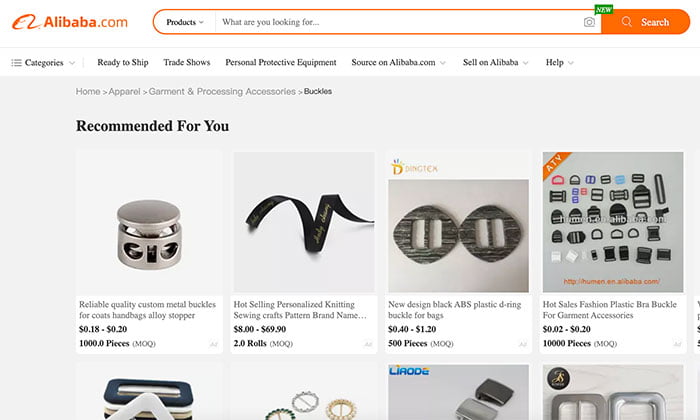
For example, imagine you’re a wholesaler on Alibaba. You create an MOQ of 100 units, which means your customers need to purchase 100 units or more to do business with you.

You can also make your MOQ a dollar amount. For example, your customers need to spend a minimum of $500.

Why would you want to use an MOQ? Simply put, it protects your business and profit margins. If someone wants to order only five items from you, it’s sometimes uneconomical to start the production process. If you do, you’ll end up losing money.

With an MOQ in place, it ensures you’re covering production costs and making a profit.

Do MOQs only work for manufacturers or wholesalers? No. You can apply MOQ strategies in direct to customer circumstances as well. For example, you can set a minimum spend to qualify for free shipping or product.

MOQ - example from Alibaba

How to Calculate Your MOQ

Calculating your MOQ is tricky.

It’s a key part of maintaining inventory control, but it differs wildly from business to business. There’s no fixed formula to calculate your MOQ, so you’ll need to customize it to your business.

How do you do this?

Follow the steps below to create your unique MOQ formula.

Step 1: Calculate Demand

Forecasting demand is at the core of your MOQ formula.

You need to consider your different products, seasonality, competition, and any other factors that will affect how many units you’ll sell.

The data can help you plan out your next purchasing order from suppliers and your production turnaround to make sure you can match demand.

Other things to take into account include:

  • total time to ship your inventory
  • freight transit times
  • production times
  • other delays that could affect your ability to meet the demand

Example: You sell phone cases and determine you’ll move 10,000 units each quarter. However, your sales are seasonal. During Q4, you sell 15,000 due to the Christmas demand, and your sales drop to 5,000 units in Q2. On average, your phone cases take one week to produce and ship.

Step 2: Calculate Your Break-Even Point

Next, you want to work out your break-even point.

This is the minimum number of products you would need to sell to recover your costs and start making a profit.

It’s the sweet spot where your revenue from sales exceeds your costs.

Example: If you sold five phone cases, how much revenue would that bring in compared to what you spent on production, salaries, and other expenses? You determine you need to sell 100 cases to break even.

Step 3: Calculate Your Holding Costs

Your holding or inventory costs is the price it costs to store your products before shipping to a customer.

It will cost you more money to hold your inventory over extended periods. The quicker you can move items, the lower your holding expenses and the higher your profit margin.

However, not all goods carry the same holding cost.

Some might require refrigeration, which will increase your electricity bill, while other items like phone cases can sit on a shelf for months at room temperature.

Example: You determine it costs you $2,000 per month to store 500 phone cases.

Step 4: Calculate Your MOQ

With all the data collecting out of the way, it’s time for your final calculation.

Let’s say your phone case customers currently purchase on average 200 units.

You need to sell 100 units to start making a profit.

You can make your minimum order quantity 200 units. It will cover your break-even point of 100, and you could drop your MOQ to 150 if you need to and still make a profit.

What Are the Benefits of Requiring an MOQ?

As a manufacturer and seller, there are many benefits to switching to an MOQ business model to boost your bottom line.

The main benefits of MOQ include:

  • Cash flow: Worried about investing too much money in stock and it not selling? A minimum order quantity means you have less cash tied up in raw materials or product that isn’t moving. You can balance your costs and profit with item amounts your customers will accept, thus reducing waste and unnecessary expenses.
  • Low inventory: You don’t want your product inventory to sit on a shelf collecting dust. By implementing an MOQ, you can lower the number of finished items in your warehouse. The less time you store your products, the less money you spend on holding costs and the bigger your profit margin.
  • Increase in profits: The crux of MOQ is demand. You’re not guessing how much product or raw material your customers want. You have a clear idea of how much stock you can realistically move. Using your MOQ to find a balance between supply and demand, you can produce in larger quantities, bring your overall costs down, and increase your profits.
  • Move lingering stock: Another benefit of the MOQ module is its ability to move stock. If you’re sitting with 100 phone cases and selling them one by one, it could take months to empty your inventory. By setting an MOQ of 50 or 100, it would only take one or two customers to clear out your lingering stock.
  • Lower shipping costs: If you’re constantly shipping in raw materials or product to create your items, your freight costs will be high. However, when you set your MOQ at an optimum level, you’ll ship more product in bulk and lower your shipping expenses from suppliers.

5 Tips for Making Money by Requiring an MOQ

Okay, let’s get to the good stuff! We’ve gone over the MOQ definition, the benefits, and how to create an MOQ formula for your business.

Now we’re going to discuss how you can start making more money by requiring an MOQ from your customers.

I know it can seem daunting to set one. What if you scare your customers away and no one opts in? If that thought is swimming around in your head, here are my top tips for implementing an MOQ and increasing (not decreasing) your profits.

1. Eliminate Bargain Hunters

MOQ isn’t only about improving your profit margin. It helps you find a small number of customers who are happy to spend more money with you.

No matter what type of business you’re running, it’s often easier to have a small number of high-paying clients than dozens of low-paying clients. Small or once-off customers mean it will take you much longer to reach your desired income goals while taking up more time and energy along the way.

MOQs help you weed out all the bargain hunters who want the lowest possible price and make room in your garden for repeat clients who are happy to spend larger amounts with your business.

Say hello, recurring revenue, and goodbye to an unstable income flow.

Why should you care about generating recurring revenue?

2. Increase Spend on Your Orders

Want to incentivize your MOQs? Encourage your customers to spend a minimum amount by offering a discount.

You can:

  • Reduce the cost per unit for a higher spend: For example, sell three bottles of shampoo for $60 instead of $30 each if purchased separately.
  • Offer a minimum free shipping minimum threshold: For example, most online retailers will offer free shipping if you spend a minimum amount. It encourages customers to spend more to meet the requirement.
Tips for Making Money by Requiring an MOQ - Increase Spend on Your Orders

3. Make Pricing Attractive to Boost Inventory Turnover

Your MOQ will only work if the price is right.

You need your price per order to be enough to cover your expenses and make a profit, but it still needs to attract customers. If your minimum order amount is too high, you won’t get any orders, and you’ll sit with inventory for longer, driving up your costs.

After you’ve figured out your MOQ formula, do your market research. See what your competitors are offering and confirm a high enough demand before you start spending money on things you can’t recover, like warehousing.

4. Move Old Stock With Flash Sales

What happens if your stock isn’t moving? Maybe there is a lull in the season, or you’ve tried a new product variation, and not enough people are biting.

One of the best ways to recoup your money and free up your inventory is with flash sales.

An excellent example of how well flash sales can work is Black Friday. Activewear giant GymShark frequently uses this strategy during the biggest sales day of the year and has broken in-house sales records by generating $400,000 in 60-minutes.

A well-executed sale can do more than move excess inventory or help you break even on poor-selling items. When done right, it can also increase customer loyalty and customer acquisition, which will boost your profits in the long run.

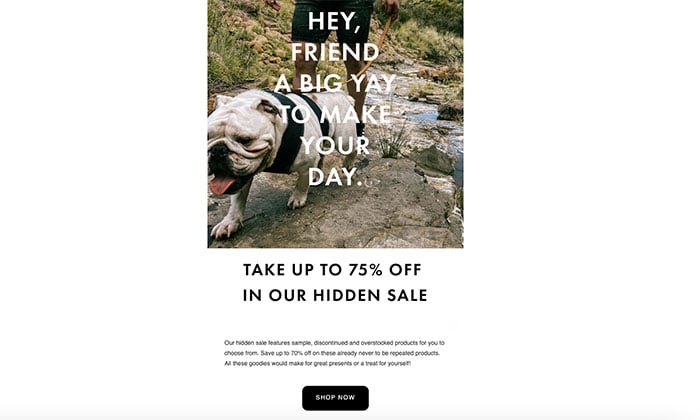
flash sale moq example

5. Have a Good Inventory Management System in Place

An essential part of any business is automation. It helps you do more with the same number of hours in the day and focus on the actions that move the needle forward.

When using an MOQ strategy, your success relies on having a good inventory management system in place. With a few clicks of your mouse, you can set reorder points for specific items, streamlining your inventory management process.

Other advantages include:

  • Keeping your customers happy by maintaining healthy stock levels and quick turnaround on orders.
  • Track your inventory turnover ratio to make better use of your resources.
  • Save money by avoiding tying too much money in inventory and not having enough inventory to complete sales orders.

How to Calculate Your MOQ

  1. Calculate Demand

    Predict the number of sales you’ll make. To calculate this figure consider the products you’re selling, seasonality, competition, shipping time, and any other factors that may affect your sales figures.

  2. Calculate Your Break-Even Point

    Determine the number of products you have to sell to make a profit.

  3. Calculate Your Holding Costs

    Figure out how much it costs to store your products before sending them to customers.

  4. Calculate Your MOQ

    Figure out how many units you have to sell to turn a profit, how many you predict you’ll sell, and determine your MOQ accordingly.

Conclusion

What’s one of the most off-putting things about starting a business? Capital.

Not all of us have access to a lump sum of money to invest in an idea, and the thought of going into debt for a business that isn’t seeing results yet is terrifying.

With a minimum order quality strategy in place, you can reduce your upfront capital amount, cost per unit, and expenses like storage costs. The MOQ that works for your business is unique, and finding it requires research, planning, and understanding demand in the market.

However, once you have it, an MOQ can help you scale, avoid unnecessary expenses, and run a profitable business.

Capital isn’t the only thing you need to start a successful business; you only need a great digital marketing strategy in place. If you need help with that aspect, reach out to our agency!

Do you think minimum order quantity is a good business strategy? Why or why not?

Alternative Lenders: Pros and Cons

There is a time and place for traditional business lenders, otherwise known as banks.  However, they are not always the right option.  Sometimes is takes too long to get funding from a bank. Maybe you do not qualify for a loan from a bank. This can be the case even if you are perfectly capable of repaying your debt.  If business borrowing from a bank isn’t going to work for you, your next option is alternative lenders.  

What Are The Pros and Cons of Using Alternative Lenders?

Alternative lenders are a totally legitimate option.  They are exactly what their name implies, an alternative to traditional banks. However, just like banks, they have both pros and cons. You need to know and understand each when looking for financing alternatives for small businesses. 

What Are the Pros of Alternative Lenders? 

First, with alternative lenders, you typically get your funds much faster. So, if you need fast cash, this could be the way to go. 

Also, the application process is usually faster and easier. Often you can apply online in a matter of minutes. Repayment terms are usually more flexible as well. 

Find out why so many companies use our proven methods to get business loans.

Even better, these lenders will often take more into account that just credit score when it comes to approval. If there is a minimum credit score requirement, it is usually much lower than what traditional lenders require. 

As a result, they have other eligibility requirements.  These may include minimum revenue over a certain period of time, a minimum amount of time in business, minimum average balance in a business bank account, or all three.  Other requirements may apply as well. 

What Are the Cons of Alternative Lenders?

One of the biggest drawbacks of alternative lenders is that their interest rates are almost always higher, though rates vary based on perceived risk.  

Also, the industry is a breeding ground for scammers.  It’s important to know how to recognize predatory lending practices to avoid being taken advantage of if you are looking for an alternative lender.

Best Options for Alternative Lending: Top Alternative Lending Companies

Despite the risk of running into a predatory lender when it comes to alternative loans for businesses, there are some good companies out there. To give you a start, here are some alternative business financing options that we know and trust. 

Fundbox 

Fundbox makes it easier to get approval for financing.  The minimum credit score is 500.  Comparatively, this is much lower than with other lenders.  Here are some things you need to know about Fundbox.  First, they consider business merit as opposed to personal credit.  For application purposes, they will do a soft pull on your personal credit. This will not affect your credit score.  When you make your first draw, they will do a one time hard pull that could affect your score.  Keep that in mind. 

Kiva 

Kiva is an online lender that is a little different. For example, the interest rate is 0%.  That means even though you have to pay it back, it is absolutely free money. They don’t even check your credit. Still, there is one catch.  You have to get at least 5 family members or friends to give to the cause as well. In addition, you have to pitch in a $25 loan to another business on the platform. 

Accion 

Accion is a nonprofit lending network dedicated to helping small businesses.  They offer small business loans, some grant opportunities, and other resources designed to help both startups and established small businesses grow and thrive. 

Globally they have been working their magic for 55 years across 4 continents.  Tens of millions of entrepreneurs have been helped by them.  They came to the United States in 1991. 

They lend to small business owners in general, from all backgrounds and most industries. However, they specialize in underserved populations like minorities. 

They do not rely as heavily on credit as traditional lenders. Yet, they do require a minimum personal credit score of 575. The one exception is the Community Advantage program which requires a minimum of 525.  

Other restrictions may apply based on a number of factors. 

Streetshares 

 Streetshares  offers a variety of financing and investment products with fast application processes and funds deposited almost immediately. Lending products never have a prepay penalty, and the credit check is a soft one.  There is never any impact on your credit score for applying.

They lend to various types of businesses and business owners.  Still, their early mission was to help veteran business owners, and they remain true to that mission today.

Find out why so many companies use our proven methods to get business loans.

Credit Line Hybrid

This is alternative business financing rather than a specific alternative lender.  The Credit Line Hybrid is a unique and powerful product that can serve your business needs in many ways. It allows you to fund your business without putting up collateral, and you only pay back what you use.  

Your personal credit score needs to be at least 680.  In addition, you can’t have any liens, judgments, bankruptcies or late payments.  Furthermore, in the past 6 months you should have less than 4 credit inquiries, and you should have less than a 45% balance on all business and personal credit cards.  It’s also preferred that you have established business credit as well as personal credit. 

If you do not meet all of the requirements, it’s okay. You can take on a credit partner that meets each of these requirements.  Many business owners work with a friend or relative to fund their business.  If a relative or a friend meets all of these requirements, they can partner with you to allow you to tap into their credit to access funding. 

What are the Benefits of a Credit Line Hybrid? 

As alternative funding sources go, this is one of the most flexible.  There are many benefits to using a credit line hybrid.  First, it is unsecured, meaning you do not have to have any collateral to put up.  Next, the funding is “no-doc.”  This means you do not have to provide any bank statements or financials.  

Not only that, but typically approval is up to 5x that of the highest credit limit on the personal credit report. Additionally, often you can get interest rates as low as 0% for the first few months.  This allows you to put more money back into your business. 

The process is fast, especially with a qualified expert to walk you through it.  Also, approval for multiple credit cards creates competition.  This makes it easier, and even likely if you handle the credit responsibly, that you can get interest rates lowered and limits raised every few months.

Find out why so many companies use our proven methods to get business loans.

Alternative Lenders Are a Viable Option, But Be Careful

You can’t be too careful when looking for alternative financing methods for your business.  The safest way to ensure you don’t fall prey to a scammer is to work with a business credit expert.  They will not only have relationships with credible lenders, but they will also be able to help you find those with products and requirements that best fit your needs. CreditSuite has business credit experts ready to help.  They  have the skills and expertise necessary to help you navigate the business funding world. They can guide you toward products and lenders that will work best for your needs, and help you improve your fundability in the process. With strong fundability, you can access all types of business financing, alternative or not.

The post Alternative Lenders: Pros and Cons appeared first on Credit Suite.

New comment by fount in "Ask HN: Who is hiring? (April 2021)"

Fount | Head of Business Development | Charleston, SC (Remote within US possible) | Full-time Contractor | 100K to 150K | Equity

Overview
Fount, a software development collective, is looking for a new Head of Business Development. The duties primarily consist of prospecting and closing new clients for our small, but growing team of senior engineers.

Responsibilities:
– Source new clients seeking experienced software development. Negotiate with, close and retain clients.
– Evaluate all inbound prospects.
– Maintain direct communication with our development team to understand projects that are of interest. Keep current on our team’s availability and skills.
– Administer contracts and all payments.

Experience that could make you a great fit:
– You’re immersed in the startup and growth-stage tech scene. – You regularly see opportunities where our team could accelerate a company’s roadmap where they are on a short timeline, lack the right resources, or are unable to hire full-time employees.
– You’ve worked in venture capital and know a lot of funded companies that need help with growth.
– You’re familiar with the digital agency world or have a strong network of agencies that occasionally need more reliable and senior-level talent for projects.
Example, an agency handles visual design/creative for clients, but needs app development for a project.
– Your network includes midsize and large brands that don’t have the in-house tech talent available for one-off projects.

How we operate:
Email, Slack, Meet/Hangouts
The team is based in Charleston, SC but operates remotely with team happy hours every quarter.
We’re mostly asynchronous and always respectful of each other’s time. Bi-weekly, 30-minute all-hands meetings via Google Meet.

Compensation:
Commission only – Fixed percentage of the revenue from all paid contracts – with no cap. You’ll be the only business developer, but have the opportunity to grow the software development (and design) team, as well as your business development team. Further, our collective model has a transparent equity model. You’ll be on an ownership path.

Process:
Email jd {at } fountstudio.com with your background or a link to it. We’ll set up a short call/hangout to see if you could be a fit.