
6 Product Marketing Strategies That Will Get You More Sales

According to the Harvard Business School, the greatest problem faced by companies when launching a new product is a total lack of preparation.

Because of this, up to 30,000 new products are launched every year—and at least 95 percent end in failure.

While products can fail for many reasons, a solid product marketing strategy can help to mitigate many risk factors and boost your success.

What Is Product Marketing?

Product marketing is the entire process of bringing a new product to market, from the research and development to the launch and beyond.

It’s used by companies of all sizes with the ultimate goal of understanding and filling customers’ product needs.

Whether you’re launching your first product or your fiftieth, a solid product marketing plan can be the thing you need to push your success over the edge.

Benefits of Product Marketing

The main benefit of product marketing is to increase sales. However, an effective product marketing strategy can have more benefits than “just” profit.

First and foremost, product marketing can help you to position your product in the market for successful targeting and less advert waste.

A proper strategy would answer questions like “what product gap needs to be filled?” and “how does my product stand out from the competition?”

With product marketing, you also gain a deeper understanding of your customer base.

  • Who is your audience?
  • What are they buying?
  • What is their main reason for making a purchase?

By creating such buyer personas, you can increase your value proposition by up to 82 percent.

Then, to top it all off, you’ll get to unlock new insights about your competitors. While this isn’t often a huge concern for smaller businesses, up to 90 percent of Fortune 500 companies practice “competitive intelligence”—which has to say something for its value. If you want to grow, get ahead of your competitors while you still can.

Examples of Product Marketing

Before we get into our own strategies, let’s look at two brands with successful product marketing campaigns.

1. Poo Pourri

Poo Pourri is a great example of a brand that executed product marketing for an otherwise embarrassing and taboo subject (a toilet spray that eliminates the unpleasant odors associated with the bathroom.) It does so with humor and relatability because, after all, everybody poops.

They positioned their product perfectly.

Their first-ever video advertisement not only ranked as the number five most-watched video on the platform in 2013, but it also gained the brand a cult following that has continued to grow over the years.

An example of effective product marketing from Poo-Pourri.

How can other brands, even those with less taboo products, learn from Poo Pourri’s success?

First and foremost, find your platform and go hard. Poo Pourri used video advertising in its early years to continue to grow its following. This included television and online advertising where the brand was able to push the envelope with humor.

The brand also used customer personas to its advantage. It’s true, everybody poops. However, not everyone feels the need for a toilet spray.

Instead, their advertisements targeted certain markets and situations to really drive their point home.

2. Tesla

When you think of Tesla, what comes to mind? Electric cars. Clean energy. Solar power.

Your mental alignment of Tesla with these keywords and others in the clean energy space is for one simple reason: they built their entire identity, including each product marketing strategy, around their brand statement.

Just a snippet of Tesla’s brand statement is as follows:

“Tesla builds not only all-electric vehicles but also infinitely scalable clean energy generation and storage products. Tesla believes the faster the world stops relying on fossil fuels and moves towards a zero-emission future, the better.”

An example of product marketing from Tesla, showing a red car driving on the road.
An example of effective product marketing from Tesla.

Tesla effectively cornered the electric vehicle market. It knew it had a target audience in the space, of course, but it never swayed from its brand statement when developing electric vehicles and other clean energy products.

What has that success looked like? Tesla currently boasts about 75 percent of the electric car market share with its Model 3 being the best-selling vehicle worldwide in 2021.

6 Product Marketing Strategies to Grow Your Business

If you’re excited to be a success story like the examples above, then consider these six product marketing strategies.

1. Pair With Robust Content Marketing

Did you ever think your product was too “boring” for content marketing to have an impact? Think again!

Blendtec, a seller of residential and commercial blenders, launched a series of videos aimed at making their boring product fun. The series was called “Will It Blend?,” and it’s just what it sounds like.

The company would test blend various inedible items in their blenders as a way to inject curiosity and humor into their product line.

An ad from Blendtec showing a man behind a blender on a table.
An example of robust content marketing from Blendtec.

The result? A 700 percent increase in sales over its first three years.

While your content marketing strategy doesn’t have to be quite so outlandish, it can be just as successful. There are plenty of content types to include in your strategy, including:

  • blog posts
  • videos
  • podcasts
  • infographics
  • white papers
  • downloadable guides

You just need to ensure your content marketing is compelling.

  1. First, understand what your customers need.
  2. Second, push on their pain points.
  3. Agitate that pain through storytelling.
  4. Offer to solve their problem.

As long as you touch those four points, your content marketing strategy will be off to a strong start.

2. Develop a Product Launch Plan

Product launches don’t always go as planned.

According to Gartner, 45 percent of product launches are delayed by at least one month. This can lead to a domino effect of poor results.

While this is a bitter pill to swallow, it’s also one that should give you sufficient motivation to invest time in a clear and detailed product marketing plan.

It needs to be effective, on time, and successful, and consider these three stages:

  1. Pre-launch.
  2. Launch.
  3. Post-launch.

Pre-launch is heavily focused on research and development. Consider what your industry is like, who your customers are, and what your product can offer that nothing else can.

This stage will also require heavy involvement with beta testing and finessing your messaging to the target audience.

  • What unexpected pain points come up during beta?
  • What is the feedback like?
  • What can you improve in your product or messaging?

Launch is all about getting the message out to the right audience. This means choosing the best channels to reach your target market and even hosting multiple online and in-person events to generate a buzz.

Finally, post-launch requires you to evaluate your targets versus actuals. Did you perform as well as you hoped? If not, why?

A poor initial launch isn’t a loss. It’s important not to lose momentum during post-launch and, eventually, shift your focus to retaining the customers you do have.

3. Retarget Your Existing Customers

Why?

Your existing customers will be your greatest source of revenue. With just a 5 percent increase in customer retention, you can increase company revenue by 25 percent to 95 percent.

While customer service plays a huge role in retention rates, there’s also the important step of retargeting your existing customers. That is, marketing directly to them to address their needs and invoke feelings of brand loyalty.

What does this look like?

A few ways to retarget existing customers include:

  • Create custom ad campaigns for previous and existing customers. These should focus heavily on brand loyalty and customer satisfaction. What is it that keeps customers coming back? Capitalize on it.
  • Build a retargeting email campaign for customers who haven’t purchased over various timeframes. Using segmentation, create different campaigns for customers who haven’t purchased over various periods of time (e.g., within the last 3 months, within the last 6 months, etc.)
  • Bid more aggressively on retargeting campaigns. Consider that customers who previously converted are more likely to convert than new customers. This means you can afford to have a higher Cost Per Conversion (CPC) for retargeting campaigns.

Ultimately, the goal of your retargeting strategy is to remind customers why they purchased from you in the first place. Place heavy emphasis on their initial experience and the value your product offers.

4. Address Customer Pain Points

Consider that 63 percent of B2C consumers and 76 percent of B2B customers expect businesses to anticipate and address their needs. This is the true value of understanding your customers’ pain points and addressing them with your products and services.

Pain is an important part of any marketing strategy, but one that can often be overlooked in e-commerce. Here’s why pain is so important:

  • Pain can help move a customer to action.
  • Pain can create a sense of relief in a customer.
  • Pain can tighten the conversion funnel.
  • Pain can improve conversion rates.

As mentioned in the content marketing section, the key to a successful product marketing strategy is to identify your customer’s pain, remind them of the pain, and then show them the solution to their pain.

These insights come from a robust market research strategy which includes keyword research, competitor reviews analysis, and customer surveys.

Take Qdoba, for example. They know that additional charges for popular add-ons, like guacamole or queso, are a pain point for their customer base. So, they don’t charge extra:

An ad from Qdoba showing a man eating food.
An example of addressing consumer pain points from Qdoba.

Pain points don’t stop with the purchase of your product, though. You should also have a plan in place for when your customers experience pain as part of the usual customer service journey. For example, an issue with the product.

This includes monitoring customer reviews, offering live chats with customer service agents, and reading through the results of customer surveys.

5. Reevaluate and Improve Product Positioning

Just because you’ve launched your product, it doesn’t mean you need to stick with previously chosen markets and marketing tactics. In fact, launch may have shown you a new possible market for your product or even a unique value proposition.

Pre-launch, you and your product team would have answered the following questions:

  • Why was this product made?
  • Who is this product made for?
  • What challenges does this product resolve?
  • What makes this product unique?

Post-launch, it’s time to consider whether the answers you and your team came up with held true. If not, what do the new answers look like and how do they differ from the original plan?

That difference can give you a whole new idea for repositioning your product in the ever-changing market.

When you reposition and how you do so is highly dependent on the product and costs involved. A few examples of repositioning a non-profiting product include repackaging, remarketing it to a different audience, or even adding new features.

Fortunately, you have the value of customer insights and their feedback—which wouldn’t have been available to you during the initial product launch. Use this to implement a full product positioning strategy.

6. Consider a Change to Your Pricing Structure

Another way to reposition your product is to consider a change to your pricing structure. This is helpful if you’re seeing less-than-profitable returns on your product.

A change to your pricing can be as simple as lowering (or increasing) your price or running exclusive promotions.

You can also follow the likes of Peloton and hundreds of other companies who successfully implemented the “good-better-best” approach to pricing.

In short, the good-better-best pricing strategy involves three tiers of the same product with increasing value. This enables you to make your product more accessible to new customers while also increasing spending for those customers who want more.
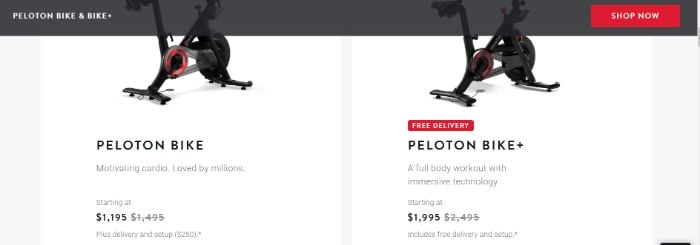
An ad from Peloton showcasing two different exercise bikes.
An example of pricing structure from Peloton.

To continue with the Peloton example, there are four options to choose from:

  1. The Peloton Bike (starting at $1,195).
  2. The Peloton Bike+ (starting at $1,995).
  3. The Peloton Tread (starting at $2,345).
  4. The Peloton Tread+ (starting at $4,295).

While the Peloton Bike and the Peloton Tread are unique products, they still offer one experience for the customer: a home workout device.

By offering your product at various price points, you open the product up to more customers. This can be a good step for companies hoping to break into more markets.

Product Marketing Frequently Asked Questions

What are the four types of products?

There are four product classifications, all of which can benefit from product marketing. They are convenience goods, shopping goods, specialty goods, and unsought goods.

What companies can benefit from product marketing?

If you think your business can’t benefit from product marketing, you’d be wrong. Companies of any size and configuration can benefit from a planned approach to product launch and sales.

What are the types of product marketing?

There are over 20 marketing activities that can fall under product marketing. These include advertising, branding, product management, product development, sales, and promotion.

What is the difference between marketing and product marketing?

Product marketing is a subset of marketing. Marketing is a broader term encompassing activities like marketing communications, operations, and project management.

Product Marketing Strategies: Conclusion

From product development to customer analysis to launch, a product marketing strategy can ensure you hit all the milestones in a set timeline.

In turn, you can launch your product on time and increase your odds of success.

As long as you have a solid product marketing plan in place (one that mitigates risks and anticipates customer needs), you’ll be off to a better start than most companies.

Which product marketing strategy do you think will be most effective for your up-and-coming product launch?

Hamilton: Mercedes close to winning again

Mercedes has narrowed the gap to Red Bull and Ferrari, Lewis Hamilton said after Sunday’s British Grand Prix.

The post Hamilton: Mercedes close to winning again appeared first on Buy It At A Bargain – Deals And Reviews.

Genei (YC S21) Is Hiring NLP Research and FullStack Engineers

Article URL: https://www.ycombinator.com/companies/genei/jobs

Comments URL: https://news.ycombinator.com/item?id=31997678

Points: 1

# Comments: 0

Russia's Shoigu says war in Ukraine will end when Putin's 'tasks' are completed

Russian Defense Minister Sergei Shoigu said the Kremlin’s war in Ukraine will not end until President Vladimir Putin’s goals are relatized.

Arizona troopers discover nearly 100 pounds of meth during traffic stop, authorities say

Jesus Alvarado-Flores, 27, was arrested after troopers discovered nearly 100 pounds of meth hidden in his pickup truck during a traffic stop on I-8 in Yuma County, Arizona.

Marketing Analytics: Everything You Need to Know To Start Leveraging it Today

When’s the last time you attempted to make a recipe in the dark? I’d venture to guess you’ve never done so. It’s unnecessary and reckless. Would you be surprised to learn, then, that more than 60 percent of companies have ignored marketing analytics data when making marketing campaign decisions?

Just like making a recipe in the dark is unnecessary and reckless, so too is ignoring the invaluable marketing data when making expensive and time-consuming decisions for your business.

In this post, we’ll introduce marketing analytics and its benefits. We’ll cover the types of marketing data and how to create your own report. Finally, we’ll highlight three examples of companies that used digital marketing analytics to their advantage.

What Is Marketing Analytics?

Marketing analytics is the use of data to evaluate the performance of a marketing activity or collective marketing efforts.

From 2012 to 2020, the share of projects where marketing analytics were used to make a decision has ranged from 29 percent to 43.5 percent. While this number seems low, it does go to show that using marketing analytics to drive your own business’s campaigns will give you an edge against the competition.

Why Is Marketing Analytics Important?

Before we get into the nitty-gritty details, it helps to understand why marketing analytics is so important. While some companies may argue that analytics data isn’t crucial to their business, others will stake their success solely on their ability to follow the data.

Perhaps the greatest benefit to digital marketing analytics is the ability for businesses to understand big-picture marketing trends and forecast future results.

On a micro level, marketing analytics can help a business to understand the ROI of their individual programs. This can help them to determine which programs to cut and which programs to invest in. It will also teach them what they need to know for future projects.

Finally, consider that sophisticated marketers (those who utilize 5 or more analytics tools) are 39 percent more likely to see an overall performance improvement in their marketing programs. Just imagine what that growth could look like across your portfolio!

Types of Marketing Analytics Data

When it comes to marketing analytics data, there are three categories it can fall into. Here’s a description of each, as well as examples of the metrics used.

Descriptive Analytics

Descriptive analytics provide insights into the current state of your business. They answer the question, “what is happening now?”

The types of metrics you’ll see here are surface level. They provide a quick snapshot of the business as it is today but without any analysis or reasoning behind it. These metrics include page views, revenue, units sold, average unit price, and conversion rate.

Diagnostic Analytics

Diagnostic analytics provide a root cause as to the descriptive analytics. That is, they answer the question, “why is this happening?”

When you have questions about your descriptive metrics mentioned above, you’ll dig into the diagnostic metrics. These dig deeper to find the cause of the diagnostic metrics by looking at things such as traffic sources, bounce rates, exit rates, and last touch channels.

Predictive Analytics

Predictive analytics provide a look into the future of your business. They answer the question, “what’s likely to happen in the future based on past and current trends?”

As you can imagine, predictive analytics requires more sophisticated input. While you can pull descriptive and diagnostic analytics and make connections, you cannot do so easily with predictive analytics. Instead, you’ll typically need the help of a predictive modeling tool or a data analyst.

How to Create a Marketing Analytics Report

If you’ve been tasked with creating a digital marketing analytics report for your business, the steps below will help to get you started.

1. Pull the Raw Data

Where does it all begin? With the raw data.

How you pull your data will depend on the tools and platforms you use. There are many free and paid options available and you may find yourself using more than one to get a fuller picture.

Step one of creating a marketing analytics report.

Google Analytics is a free tool that provides you with in-depth website analytics. If you’re using an e-commerce platform like Shopify, you may also have access to free analytics within your account. Paid options include HubSpot, Domo, and Tableau.

2. Understand Your Audience

There are two important questions to answer before you compile your data. They are:

  1. What’s the purpose of your marketing report?
  2. Who’s the audience for your marketing report?

To answer those questions, you’ll want to dig deeper by answering the following:

Are you pulling the data just to get a snapshot of the business, or is there something more specific in mind? Are you delivering the report to top-level executives or a direct manager? How will this data be used? How often will this data report need to be compiled?

A weekly report on the state of the business to your direct manager will look completely different than an analysis of a business unit to the CFO of the company.

3. Highlight the KPIs That Matter

You have the data and you know the purpose and audience for your report. Now it’s time to ensure you’re highlighting the right data in your report. This will come down to understanding the type of data analytics you’ll need to answer to your audience (e.g., descriptive, diagnostic, predictive).

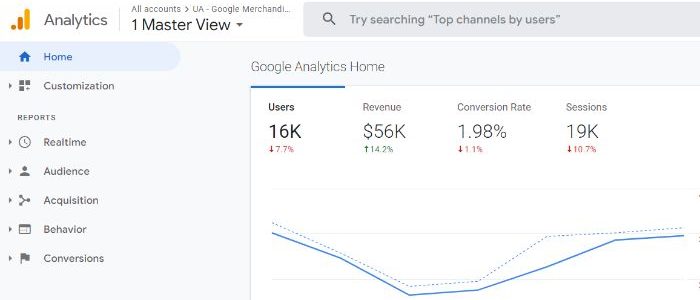
Let’s say you’re tasked with reporting on the launch of your company’s newest product. It hit the virtual shelves two weeks ago and it’s time to evaluate its initial success. What does this look like?

Here you’ll be pulling descriptive analytics. This includes metrics like product page views, add to carts, revenue, and conversion rate.

It doesn’t end there, though, because your audience will likely want to know whythe above metrics are what they are. Whether they’re below or above the target goals, it’s good to understand what happened to get you where you are.

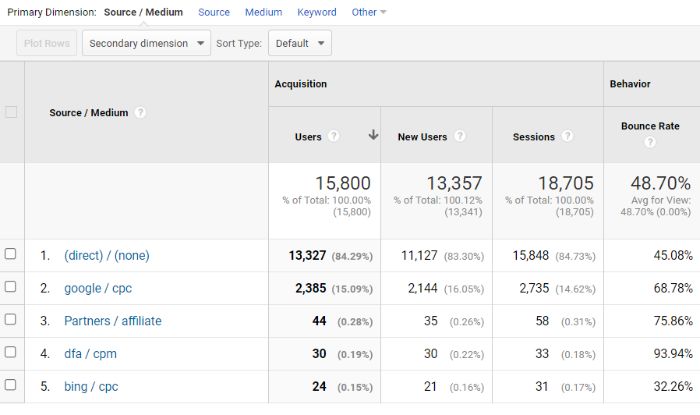
This means you’ll also be pulling diagnostic metrics like last touch channel and traffic source. You can also dig into the customer demographics and behaviors.

A screenshot of a variety of metrics in Google Analytics.
Step three of creating a marketing analytics report.

With this data, your report will begin to shape itself into more of a story than just a bunch of KPIs and graphs.

4. Use Visuals to Break Down the Data

You have the data, you know your audience, and you have your story. Now it’s time to consider the best way to tell your story to make sense to your entire audience. Visuals are a crucial way of doing so.

Visuals include graphs, charts, maps, funnels, and Venn diagrams. They are a great way to help you see your data in a new light andtell your story more effectively.

The good news is most analytics tools offer a suite of visualization tools so you don’t have to find yourself reinventing the wheel. However, programs like Microsoft Excel also make it incredibly easy to turn raw data into visualizations.

Examples of Marketing Analytics

It can be inspiring to see how other businesses are using marketing analytics to inform their decisions. Here are three examples for you to consider.

Marketing Analytics Example #1: Costa Rican Vacations

Averages are used frequently when evaluating marketing analytics. There is nothing inherently wrong with this approach, but as we’ll see below, it can be good to look at those outliers to determine the true efficacy of the average.

Looking beyond the average customer for Costa Rican Vacations has resulted in a 40 percent increase in website conversion.

According to Casey Halloran, the Co-Founder and CEO of Costa Rican Vacations, their team frequently looks to averages to inform their decisions: average spend, the average length of stay, and the average number of travelers.

Upon taking a deeper dive into the data, they realized the average number was so far off the actual customers’ metrics due to the extremes of the outliers. That is, the majority of their customers were on one end of the spectrum or the other with very few actually falling into the middle.

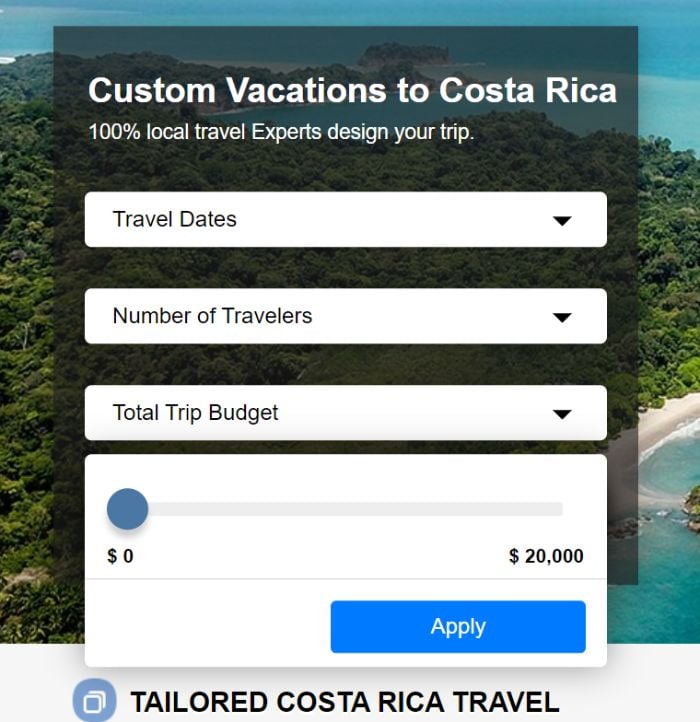
With this information, Costa Rican Vacations made a shift in its product offering. One way they did so was by adjusting the total budget slider on their homepage to go up to $20,000.

An image of the Costa Rican Vacations booking page.
An example of marketing analytics from Costa Rican Vacations.

By doing so, they opened up their offering to a new, higher spending customer base and increase website conversions by 40 percent.

Other businesses, too, can benefit from this example. After all, how often do we look at averages and medians without considering the impact of our marketing decisions on the outliers? With this in mind, take time to truly understand how average your average customer really is, or whether they’re simply a product of extremes on either end.

Marketing Analytics Example #2: Allrecipes

Allrecipes is the world’s largest digital food brand. It boasts 18 websites in 23 countries and more than 85 million users. No matter how large your brand, there’s always the competition to consider. To maintain their competitive advantage, Allrecipes worked with Tableau to better understand every stage of the customer journey.

The brand had several primary objectives, including to:

  • improve user experience
  • increase video engagement
  • drive mobile engagement
  • inform product strategy
  • expand user base
  • grow advertising revenue

Allrecipes leveraged Tableau, a business intelligence platform to visualize data all in one place. With custom dashboards and organizational collaboration, the brand was able to achieve numerous goals. In particular, let’s look at how Tableau’s device-level analytics enabled them to drive mobile engagement.

According to Esmee Williams, the VP of Consumer and Brand Strategy, mobile usage had increased from 8 percent to three-fourths of all visits in recent years.

The goal was to increase mobile usage while also providing a continuous experience across devices. They performed an A/B test which showed the mobile site on all devices as a way to learn more about how users interacted with mobile site elements.

An image of an Allrecipes page with various foods.
An example of A/B testing in marketing analytics from Allrecipes.

Using Tableau’s digital marketing analytics collection and visualization tools, Allrecipes used the data they collected to improve the mobile site. This included optimizing content and encouraging photo uploads with an easy-to-use interface.

While you don’t need to perform a cross-device A/B test to get these same results, your business too should evaluate mobile device engagement to understand customer behavior. Only then can you implement changes that have a measurable impact on customer engagement metrics.

Marketing Analytics Example #3: Netflix

Let’s end our examples with a titan of industry, Netflix.

Netflix has a customer retention rate of 90 percent which is far above Amazon Prime’s 75 percent and Hulu’s 64 percent. What is it that drives Netflix’s success? According to Netflix, its success is largely due to the collection and use of customer behavior analytics.

What kinds of data does Netflix collect and feed to their algorithm? Here are a few examples:

  • What time and date did a user watch a show?
  • What device was used to watch the show?
  • If the user pauses the show, do they resume watching?
  • Does the user binge-watch an entire season of a TV show?
  • If they do, how much time does it take to binge-watch it?

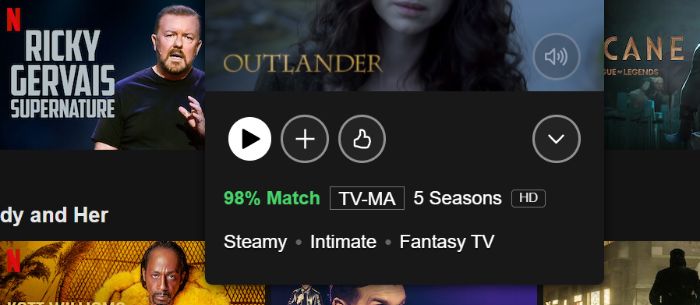
Of course, Netflix also looks to interactions the customer has with their shows and movies. If a user selects a show based on the 96 percent recommended rate by Netflix, does the customer finish the series? Do they rate the series well?

An image of the Netflix homepage.
An example of Netflix using marketing analytics to improve their customer experience.

With more than 150 million subscribers, Netflix has a large data pool from which to gather insights. This is critical to their success considering 80 percent of viewer activity is triggered by algorithmic personalized recommendations.

Marketing Analytics Frequently Asked Questions

Here are the answers to some of the most frequently asked questions about marketing analytics.

Are there additional types of marketing analytics data?

In addition to the three marketing analytics data types listed above (descriptive, diagnostic, and predictive), there are also said to be prescriptive analytics and cognitive analytics.

What are the three main components of a marketing analytics campaign?

Your digital marketing analytics campaign should be scalable, sustainable, and affordable.

What are the best marketing analytics tools on the market?

The needs of your business will largely inform your decision on marketing analytics tools. However, a few tools to consider are Tableau, Power BI, and Adobe Reporting.

Does my business need a data analyst to decipher our marketing analytics?

A data analyst can certainly offer important insights for your business. For small and medium-sized businesses, though, they likely aren’t necessary.

Marketing Analytics Conclusion

Marketing analytics is more than just a collection of data. It provides invaluable insights that could have otherwise gone unnoticed.

After all, when you’re making big decisions regarding your business’s marketing campaigns and programs, you need to evaluate all of the data available to you. Only with a proper analysis of previous data and current trends can you ensure you’re making the best decisions for your company’s bottom line.

What percent of your business’s marketing decisions are made using analytics?

New comment by jb3946170 in "Ask HN: Freelancer? Seeking freelancer? (July 2022)"

SEEKING WORK | Vancouver, BC | Remote

Apprentice or Internship. I primarily audit university courses and whatever stack you’re using I can learn from TypeScript to C++, and I’m careful to never ask the same question twice to avoid bothering engineers on Slack. Any role where I can slither my way in to eventually working on the code so open to user support, technical writing, QA/testing oracles, or bounty-style work for PRs solving open issues.

Skills:
Property-based testing
Technical writing
Functional programming
Conceptual design of new features
Basic SQL like CTEs/Aggregates/Window functions
Converting math/stats functions to programs
Metaprogramming like CI and dependency management
Tools like Git, wrangling textual data with the shell

Contact: jb3946170@gmail.com

5 Ways to Reinvent Customer Experiences That Will Increase Your ROI

Did you know that 17 percent of your customers could walk away from your business after just one bad customer experience? That’s a pretty significant number, especially when you’re trying to grow your business and increase your return on investment (ROI). There’s good news, though: You don’t need to lose these buyers if you prioritize … Continue reading 5 Ways to Reinvent Customer Experiences That Will Increase Your ROI

Brittney Griner calls on White House to bring her, other Americans detained in Russia home: 'I miss my family'

Brittney Griner has been detained in Russia since February after she was arrested for allegedly bringing vape cartridges containing oils derived from cannabis through a Moscow airport.

5 Ways to Reinvent Customer Experiences That Will Increase Your ROI

Did you know that 17 percent of your customers could walk away from your business after just one bad customer experience? That’s a pretty significant number, especially when you’re trying to grow your business and increase your return on investment (ROI).

There’s good news, though: You don’t need to lose these buyers if you prioritize the customer experience. Below, I’ll explain what customer experiences are, why they matter, and how you can optimize your customer experience online.

What Are Customer Experiences?

Customer experience (CX) is how customers perceive any interactions they have with your company. It’s the overall impression of your company that customers build as they move through each stage of the buyer’s journey.

Think of it this way. Each time a customer interacts with your brand, even if it’s only a brief interaction, they’re building an impression of what it’s like to do business with you. This impression determines, for example, whether they’ll shop with you again or recommend you to friends.

In other words, positive (or negative) customer experiences can directly impact your bottom line. Got an unhappy customer? They might abandon their cart or never shop with you again. Got a happy customer? They might recommend your services to a family member.

Actions that can shape the customer experience include:

  • calling your help center
  • paying a bill
  • tweeting you with a query

How important is CX, though, in real terms? Very. Let me show you why.

Why Is Customer Experience Important?

For one thing, it’s hard to grow your business without customers. They’re central to everything you do. However, if you’re still not convinced CX matters, here are a few more specific reasons why the online customer experience is so important:

  • Customers are more likely to stay loyal to brands offering great CX. Given that 65 percent of a company’s business often comes from existing customers, delivering a great experience can help you work on that all-important retention rate.
  • When a customer has a great experience, they could leave a review online, which encourages others to try your business. According to ReviewTrackers, more than a third of individuals reading reviews only look at businesses with four or more stars, so great CX can help you boost your visibility.
  • The better the experience, the less likely customers are to abandon your business in favor of competitors. In other words, CX can directly affect your churn rate.

The bottom line? Happy customers are more likely to spend more, stay loyal, and recommend your brand to others. If you’re keen to boost your ROI, it pays to work on customer experience optimization.

What Do Most Businesses Get Wrong About Customer Experience?

Customer experience optimization can be challenging to get right, especially if you approach it all from the wrong angle. To help you avoid making time-consuming (and potentially costly) mistakes, here’s what businesses often get wrong about CX.

Ignoring CX

It sounds obvious, but the biggest mistake businesses make is ignoring CX completely. Why? Because customers care about their experience. In fact, four out of five people would abandon a brand after fewer than three negative experiences

Ignoring CX could damage your customer retention and even limit your ability to attract new business.

Failing to Track Metrics

Even if you do care about customer experience optimization, you’ll never know how you’re doing without tracking your performance. I’m going to touch on the best metrics to track later, but here are some key questions that performance data can help answer.

  • How many customers stop doing business with you?
  • Would customers recommend you to friends or family?
  • How easy is it for customers to resolve issues or queries?

By tracking customer experience metrics, you can optimize CX at every stage of the buyer’s journey.

Using Impersonal Communication

It’s not uncommon for businesses to treat customers as a whole unit rather than an online audience made up of multiple individuals. The issue? Well, personal communication matters: Impersonal communication won’t drive growth.

  • According to McKinsey research, 71 percent of customers expect personalized interactions from businesses.
  • What’s more, fast-growing companies see at least 40 percent of their revenue coming from personalized messaging.

If you treat your customers as numbers, they could look elsewhere for the personalized CX they want.

Neglecting to Train Employees

Sure, it’s important to build a user-friendly website and make it easy for buyers to shop with you, but the customer experience starts with your staff. What’s a common mistake companies make, though?

Failing to train their employees in the art of customer service delivery.

Customers come to you looking for a shopping experience. If your staff don’t have the knowledge, experience, or authority to resolve customer issues, then you’ll frustrate your shoppers and they could turn to your competitors instead.

Now you know what not to do, there’s still one question remaining: How do you actually improve CX to boost your revenue? Let’s take a look.

5 Ways to Improve Customer Experiences and Increase Revenue

While there are multiple ways you might drive revenue by optimizing customer experiences, here are my five favorite strategies.

1. Find Out Where You Stand

Before you can perform customer service optimization, you need to know what’s working right now by tracking key performance indicators (KPIs.)

You might already be familiar with tracking KPIs as part of your wider marketing strategy. However, in terms of measuring customer experiences, here are some metrics to track:

  • Churn rate: Your churn rate is how many customers stop using your services, e.g., they cancel their subscription. The higher the churn, the more customers you’re losing.
  • Customer effort: This is how easy people think it is to perform an action, e.g., complete checkout. A low customer effort score means people are dissatisfied.
  • Net promoter score (NPS): This is how likely someone is to recommend your business. The higher the NPS, the more likely it is that they’ll recommend you.
  • Retention rate: Your retention rate is the number of customers you hold onto over a period of time. High retention scores mean greater customer loyalty.

Here are some tips to measure metrics:

  • Measure churn by choosing a set period and dividing the number of customers you lost by the number of customers you started with. The percentage is your churn.
  • Poll customers using surveys and ask them to rate their experience.
  • Ask customers how likely they are to recommend you on a 1-10 scale.
  • Measure customer retention by choosing a set period of time, calculating how many customers you start with, and how many of those customers stay with you.

Not sure where to start with customer surveys? Email them to customers or do what Tim Hortons does and invite people to complete satisfaction surveys online:

An example of using surveys to find out the customer experience with a brand.

2. Improve Your Customer Service

It’s important to note that customer service differs from the customer experience. CX means every interaction a customer has with your brand, while customer service refers to interactions between a customer and employees when there’s a problem.

Unsurprisingly, then, boosting your customer service delivery can have a positive effect on your overall CX. How do you improve customer service, though? Here are some ideas.

  • According to research by Khoros, 77 percent of customers expect customer support teams to share information so they don’t need to repeat themselves. Make sure you properly integrate your customer support processes using, for example, customer relationship management (CRM) software.
  • Use chatbots: The Khoros research shows that 79 percent of customers enjoy chatting to customer service reps through these apps.
  • Identify your most loyal customers. Reward them with exclusive discounts and special offers to encourage new transactions.

Here’s an example of a chatbot from Dropbox. Users can follow the step-by-step instructions or, if the chatbot can’t answer their questions, they can speak to a service representative or try other resources:

An example of using chatbots to improve customer service.

Improve customer service by offering various quick, simple, and effective ways to reach your team.

3. Make Conversions Easier

Zendesk’s research shows that 65 percent of customers are looking for quick, easy transactions. What does this mean?

Well, if you’re an e-commerce store, this means customers want a straightforward checkout experience. Let me give you some tips for speeding up the process.

  • Provide a guest checkout option so there’s no need for someone to create an account to buy something.
  • Offer multiple ways to pay, such as PayPal or mobile wallets like Apple Pay.
  • Make your shipping and delivery costs transparent.
  • Reduce the number of checkout screens where possible.

Are you a service provider? Then you want to ensure your sales process is seamless.

  • Offer a free trial to nurture customers along the sales funnel.
  • Explain your sales process upfront so customers know what to expect.
  • Schedule a sales call so you can get the information you need from customers to solve their problems and resolve any hesitancies.
  • Offer clear packages and transparent pricing structures tailored to various customers’ requirements.

Monday.com, for example, has a very clear pricing structure.

An example of using a clear pricing structure to help make customer conversations easier.

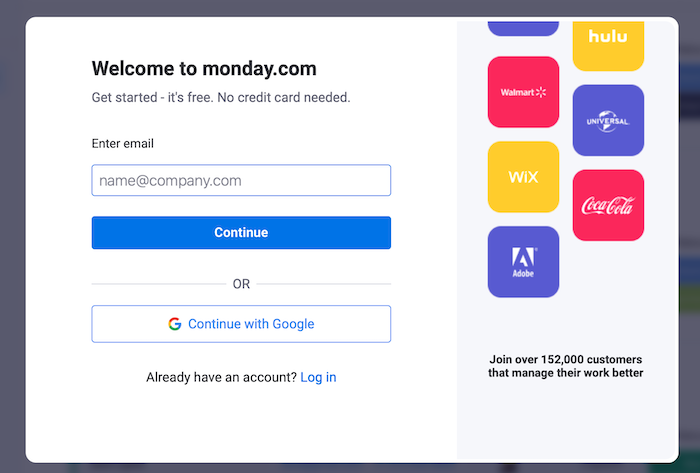
What’s more, it only takes a few steps to get started with a free account so prospects can experience the software before committing to a paid package:

An image of an account creation screen from Monday.com.
Use free accounts to allow customers to use software before committing to purchasing it.

Impress your customers and boost CX by creating a seamless, user-friendly sales experience.

4. Personalize Customer Interactions

Earlier I touched on how personalization goes a long way to help boost customer acquisition and retention. How do you personalize customer interactions, though? Here’s what you can do:

  • Build customer profiles so you know who your ideal customer is. Once you determine your audience base, you can segment your customers into groups to send them relevant marketing materials tailored to their personal preferences.
  • Take an omnichannel approach. According to Zendesk’s research, companies with higher CX scores deliver consistent, reliable experiences across all mediums, from in-store shopping to buying products through a mobile app.
  • Use the data you collect from customers to personalize surveys and try to follow up on survey responses.

Don’t forget the power of email, either. Retarget lapsed customers with personalized incentives, and send loyal customers recommendations based on their shopping history.

5. Empower Your Employees to Take Action

Who do your customers interact with? Your employees. If customers aren’t happy with your employees, there’s a risk they’ll abandon your brand completely.

What’s the answer? Empower your employees. Give them the tools they need to resolve queries, by:

  • Asking employees for their feedback. Do they feel they have the resources necessary to deliver a great service, or are they feeling frustrated?
  • Resolving identified pain points. Maybe you could streamline manual processes by updating your CRM software, or you could improve contact center protocols.
  • Finally, empowering your employee, for example, maybe they could offer a discount to incentivize a new customer.

Customer Experience Case Study: Gymshark

Gymshark, an international fitness brand, excels at employee engagement.

How? Because employees have pretty significant authority to resolve disputes, and they’re very engaged with customers online.

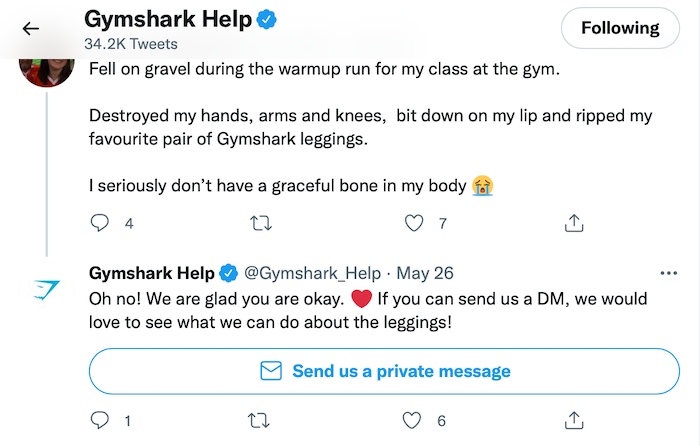
For one thing, they have a dedicated Gymshark Help social media account to answer queries, proactively engage customers, and improve the customer experience.

A tweet from Gymshark's help account assisting a customer.
An example of engaging with customers online.

Their employees are entrusted to offer real solutions, which make customers feel valued at every stage of the buyer’s journey—even after the sale.

Does it pay to give employees freedom over CX delivery? Absolutely: Operating in over 180 countries and still growing, Gymshark knows how delivering great customer experiences can boost ROI.

Frequently Asked Questions About Customer Experiences

We’ve covered why customer experiences matter and how you might improve your CX, but let me give you some key takeaways.

How do you improve customer experiences?

Learn who your customers are and how they interact with your business. Once you understand the buyer’s journey, you can equip your employees to meet their needs and exceed their expectations.

What are the main components of customer experiences?

Promoting a customer-focused culture, ensuring you’re easy to do business with, measuring customer satisfaction, and delivering on your promises all contribute to the customer experiences that individuals have with your business.

How do you track the customer experience?

Get honest customer feedback and track CX metrics at each stage of the buyer’s journey using tools to measure your churn rate, customer effort score, retention rate, and net promoter score.

What makes a good customer experience?

Great customer experience starts with your staff. Give them the knowledge they need to manage your buyers, and you’re on track to impress your customers.

Conclusion: Improving the Customer Experience Is Crucial to Business Growth

Without customers, you won’t boost your ROI and your company won’t get off the ground, so you need to prioritize customer experiences.

To perform customer experience optimization successfully, help your staff nurture individuals along the buyer’s journey. Monitor key customer experience metrics along the way, and don’t be afraid to ask customers what you’re doing right—and where you’re falling behind.

Need extra help with the online customer experience? Check out my consulting services.

What do you think makes a great CX?

The post 5 Ways to Reinvent Customer Experiences That Will Increase Your ROI appeared first on #1 SEO FOR SMALL BUSINESSES.

The post 5 Ways to Reinvent Customer Experiences That Will Increase Your ROI appeared first on Buy It At A Bargain – Deals And Reviews.