Some of the world’s wealthiest nations are grappling with stubborn coronavirus rates, but a brightening outlook and historic stimulus packages will boost economic activity and oil demand this year, the Organization of the Petroleum Exporting Countries said.
There are tons of articles on the internet about how to make working from home work for you. How to run a business from home is a popular topic. You don’t need me to give you more ways to organize your work space or keep yourself out of the fridge. No one needs more work from home tips on how to schedule your day and avoid distractions. There are plenty of places to get those.
I’m going to give you something you can’t in every internet search that includes “work from home” and “tips.” I’m going to tell you how to get the funds you need to run your home based business now, and how to ensure you’re set up properly to get more funds in the future.
Little Known Work from Home Tips To Get the Funding You Need for Your Home Based Business
You may think you can just go to the bank and get a home based business loan just like any other loan. However, you may be wrong. If your personal credit score is really high, it’s possible. Yet, home based businesses do not traditionally bode well with lenders. These work from home tips can help your business appear fundable to lenders. They can help you build your business credit score. Even better, they can point you in the direction of the best funding options for work at home businesses.
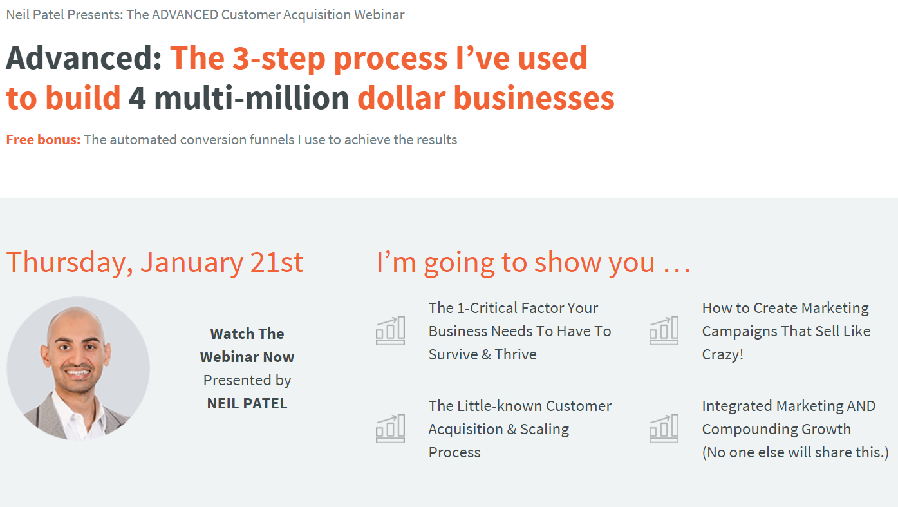
Check out our best webinar with its trustworthy list of seven vendors to help you build business credit.
Work from Home Tips #1: Work With a Business Credit Expert
This tip comes before all the other tips because frankly, some of them are almost impossible to pull off without a business credit expert. This is someone who can help you:
Guide your toward vendor accounts that will report your consisten, on-time payment to the business credit report agencies and help build your business credit score.
Working on fundability is essential. This is a tip for any business, but fundability is something that many home based businesses struggle with. There are many factors that affect fundability. Still, home based businesses struggle with a few specifically more than others.
The thing is, a major aspect of fundability is to appear to lenders to be separate from the owner. They want to see that a business is fundable on its own. For this to happen, the first thing you have to do is set up your business to be separate from you the owner.
The Home Based Business and Fundability Conundrum
What makes this an exceptional issue for home based businesses? Well, it’s no secret that one of the major benefits of working from home is not having to pay for an office space. There is no lease, no extra utilities, you just use the space you already have.
In fact, most home-based businesses are run as sole proprietorships with the same contact information as the owner. Many do not even open a separate business bank account at first. Also, it’s quite common for sole proprietor’s to simply use their social security number rather than using an EIN from the IRS.
While there is nothing wrong with any of this, it does not suit the purpose of separating your business from yourself for fundability. To do that, you need a separate phone number and address for your business. Do not think that means you have to have a separate location. You do not. There are ways to get a business home phone number and even a separate business address and still run your business from home. You also need an EIN and business bank account.
You also really need to incorporate as an S-corp, LLC, or corporation. For fundability purposes, it doesn’t matter which one you choose. Discuss the options with your tax professional and attorney. They can help you determine which one is best for your budget and needs for liability protection.
Work from Home Tips #3: Open Accounts that Report to Your Business Credit Profile
If you set your business up to be fundable, it will also be set up the way it needs to be to establish a business credit profile. This means you can start to build your business credit score separate from your personal credit score.
Here is how it works. You have to open accounts in your business name, using your business contact information and your EIN, not your SSN. The catch is, they need to be accounts that will report to the business credit reporting agencies.
Check out our best webinar with its trustworthy list of seven vendors to help you build business credit.
This is easier said than done, as most vendors do not make it easy for the general public to figure out whether they do this. In fact, many do not report, which makes this particular tip harder. In the beginning, you have to find vendors that will extend credit and report payments without checking your credit. That is, if your personal credit isn’t good.
This is one tip where a business credit expert can be especially helpful. These experts know many vendors that will report. They also know which ones you qualify for an account with right now. Even better, they know how to position you so that you can be eligible for more accounts in the future.
Work from Home Tips #4: Home Based Business Loans
With strong fundability you’ll be able to get pretty much any funding your business could ever need, even if it is a home-based business. However, in the beginning, some loans are going to work better than others. Here are some examples.
Credit Line Hybrid
With the Credit Line Hybrid, you can usually get a loan of 5x the amount of your highest revolving credit limit account, up to $150,000. Honestly, this is more than what you could get on your own when applying for credit cards. Furthermore, you can get cash out on this program.
Also, there is no impact on your personal credit with this type of financing. You need a 680+ credit score, but if you don’t meet that you can take on a credit partner who does. A lot of business owners use the good credit of friends or family to help them get the funding they need.
It does not affect your personal credit score at all. In fact, it can help build your business credit score if your business is set up properly as mentioned above.
401K Financing
Your existing 401(k) or IRA can help fund your business as well. The funds work as collateral for business financing. As a result, your personal credit score isn’t really an issue. This program uses IRS proven strategies. You will pay no tax penalties, and you still earn interest on your 401(k). Even better, rates are low, and this option usually has a quick closing and funding process. If you are currently struggling to fund your home-based business, this is an excellent way to get started.
Check out our best webinar with its trustworthy list of seven vendors to help you build business credit.
SBA 7 (a) Loan
The SBA offers federally funded term loans up to $5 million. The funds can be used for expansion, purchasing equipment, working capital and more. Banks, credit unions, and other specialized institutions process these loans and disburse the funds.
A Business Credit Expert Can Help You With These Tips and So Much More
While there are plenty of work from home benefits, there are also some disadvantages of working from home. If you want to work from home, you have to find a way to overcome these work from home challenges. If you are running your business from home, one of the greatest of these challenges is funding your business. A Credit Suite business credit expert can help.
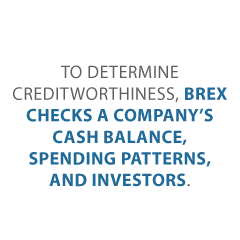
To determine creditworthiness, Brex checks a company’s cash balance, spending patterns, and investors.
You can get 7x points on rideshare. Get 4x on travel. Likewise, get triple points on restaurants. And get double points on recurring software payments. Get 1x points on everything else.
You can have bad credit (even a 300 FICO) to qualify.
Have a look at the Capital One® Spark® Classic for Business. It has no annual fee. There is no introductory APR offer. The regular APR is a variable 26.99%. You can earn unlimited 1% cash back on every purchase for your company, without any minimum to redeem.
While this card is within reach if you have average credit scores, beware of the APR. However if you can pay on schedule, and completely, then it’s a bargain.
Credit Card for Bad Credit Score for Extravagant Travel Points
Flat-rate Travel Rewards
Capital One® Spark® Miles for Business
Check out the Capital One® Spark® Miles for Business. It has an introductory annual fee of $0 for the first year, which after that rises to $95. The regular APR is 20.99%, variable due to the prime rate. There is no introductory annual percentage rate. Pay no transfer fees. Late fees go up to $39.
This card is great for travel if your expenses do not fall into standard bonus categories. You can get unlimited double miles on all purchases, with no limits. Earn 5x miles on rental cars and hotels if you book via Capital One Travel.
Get an introductory bonus of 50,000 miles. That’s the same as $500 in travel. But you only get it if you spend $4,500 in the initial 3 months from account opening. There is no foreign transaction fee. You will need a good to excellent FICO score to qualify.
Earn 50,000 bonus miles if you spend at least $4,500 within 3 months of your rewards membership enrollment date
Take a look at the Marriott Bonvoy Business Card from American Express. It has a yearly fee of $125. There is no introductory APR offer. The regular APR is a variable 15.74 – 24.74%. You will need good to superb credit to get this card.
Points
You can earn 100,000 Marriott Bonvoy points after using your card to make purchases of $5,000 in the initial 3 months. Get 6x the points for qualified purchases at participating Marriott Bonvoy hotels. You can get 4x the points at United States restaurants and filling stations. And you can get 4x the points on wireless telephone services purchased directly from American service providers and on American purchases for shipping.
Get double points on all other eligible purchases.
Rewards
Also, you get a free night every year after your card anniversary. And you can earn one more free night after you spend $60,000 on your card in a calendar year.
You get free Marriott Bonvoy Silver Elite status with your Card. Also, spend $35,000 on qualified purchases in a calendar year and get an upgrade to Marriott Bonvoy Gold Elite status through the end of the following calendar year.
Not Qualifying for a Credit Card for Bad Credit Score? Then Try Working with a Credit Partner
Our Credit Line Hybrid could be within reach. But the trick is to work with a credit partner.
If your credit partner has good personal credit, then a hybrid credit line could be the perfect solution.
How Much You Can Get
You can get up to $150,000, even if your business is a startup.
Qualifying for Our Credit Line Hybrid
To qualify, your credit partner’s personal credit score should be at least 685. And they can’t have any liens, judgments, bankruptcies, or late payments. Plus, in the past 6 months they should have fewer than 5 credit inquiries. And they should have less than a 45% balance on all business and personal credit cards.
It’s better if you or they have established business credit as well as personal credit. See creditsuite.com/business-loans.
You Won’t Need a Credit Card for Bad Credit Score if You Improve Your Personal Credit – Here’s How
Your personal credit score comes from a few basic measurements.
One is the mix of credit you’ve got. Hence, if you only have a credit card, getting an auto loan can enhance your credit mix.
Another is the number of recent inquiries. This is about the best argument against credit shopping. And inquiries stay on your personal credit report for years! So try to curb any tendencies you might have to shop around for credit.
More Ways to Improve Your Personal Credit Score
The average age of your accounts also comes into play. Therefore, if you aren’t using a card anymore – do not cancel it! But recognize that, eventually, the credit issuer will close it. As a result of this situation, if you won’t be tempted to overspend – try to use a less often used card maybe once every couple of years.
Yet another factor is your utilization percentage. That’s a simple math formula – it’s just used credit divided by total available credit. And this is for both individual cards and all of your credit. Try to keep this percentage under 30% if you can.
The Biggest Way to Improve Your Personal Credit Score
We saved the best for last! Your best way to improve your personal credit score is to just pay your bills on time, and in full. Just paying the minimum amount every month will never get you out from under debt. It’s essentially designed to keep you in debt, indefinitely.
Responsible financial stewardship will never steer you wrong – and then you’ll have a lot more credit card choices.
The Very Best Credit Card for Bad Credit Score for You
Your straight-out ideal company credit cards depend upon your credit history and scores.
Just you can choose which features you want and need. So, to do your research. What is outstanding for you could be disastrous for another person.
And, as always, make sure to develop credit in the recommended order for the best, speediest benefits.
There are roughly 37 million influencers on Instagram, and around 1.5 million of them work on YouTube.
Every day, these creators promote brands across social media, talk up great products, and directly influence how people spend their hard-earned money.
Sounds great, right? There’s just one problem.
It’s really hard to actually find a great influencer to grow your business.
Whether you’re digging through social media platforms for ideas, or spending hours pitching creators, it’s a time-consuming process. In fact, according to Mediakix, 61 percent of marketers struggle to find the best influencers for their campaigns.
What’s the answer?
You need a more effective means of sourcing influencer talent and making connections. Influencer marketplaces can help you do just that, so let me show you how they work.
Why You Should Use Influencers in Your Marketing Strategy
Before we get started, let’s touch on influencer marketing more generally. Is it worth your time, or should you leave the influencer trend behind?
While influencer marketing isn’t for everyone, I think you should give it a go if it makes sense for your business.
Why? Because influencer marketing works.
According to Instagram, 87 percent of users have bought something promoted by an influencer.
You can make $5.20 for every $1 spent on influencer marketing, as reported by the Influencer Marketing Hub.
While I’m not suggesting you should rely solely on influencer-based marketing, the trend is here to stay, and it’s worth trying.
If you’re still not convinced, here’s another way to think of it. Around 26 percent of consumers use ad blockers to hide ads and improve their browsing experience.
There’s a high chance those ads you’re paying for won’t reach their intended audience! For sales-based companies, influencer marketing could be a promising alternative.
Ready to find influencers for marketing campaigns? Let’s explore the mysteries of the influencer marketplace.
How Businesses Find Influencers
You can find influencers online in four major ways:
Social media platforms: There’s no shortage of social media platforms to browse for influencer talent, albeit this is a time-consuming process.
Search engines: Google is a great way to find competitors and identify which influencers they use for their campaigns.
Influencer marketplaces: These marketplaces help you match with various influencers in your niche.
Influencer agencies: You can hire an agency to match you directly with the influencer they think suits you best.
Although we’re focusing on influencer marketplaces, remember it’s not the only strategy for finding influencers to market your business.
What Are Influencer Marketplaces?
Influencer marketplaces match businesses with influencers working in their niche, whether it’s beauty, fitness, food, and so on.
It’s a simple premise. You sign up and post a brief describing the services you’re looking for and wait for influencers to respond. If you find an influencer you’re happy with, you can hire them to create content, promote your brand and, well, influence people to buy your products.
You’re not limited to one influencer, either. You can work with multiple influencers across the platform, and you can recruit more talent as you go.
The upshot? Whether you’re running a one-off product campaign or you’re looking for a more stable relationship, influencer marketplaces could work for you.
Some of the more popular influencer marketing platforms include:
Influence
Intellifluence
AspireIQ
Webfluential
Famebit
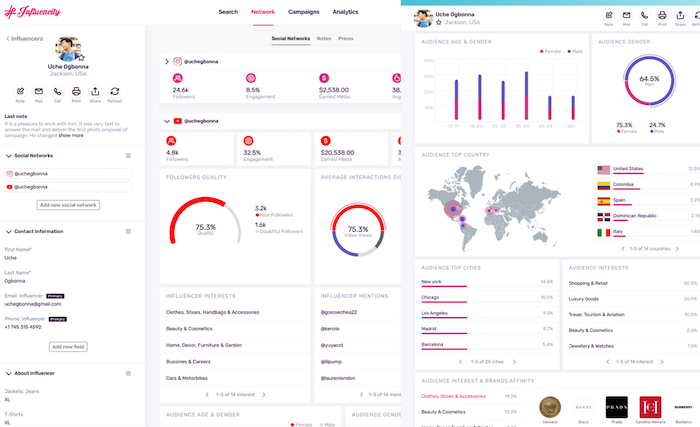
Influencity
It’s common for influencers listed on marketplaces to work across two or more social media platforms. For businesses, this is great news because you can use one or two trusted influencers for all your content marketing.
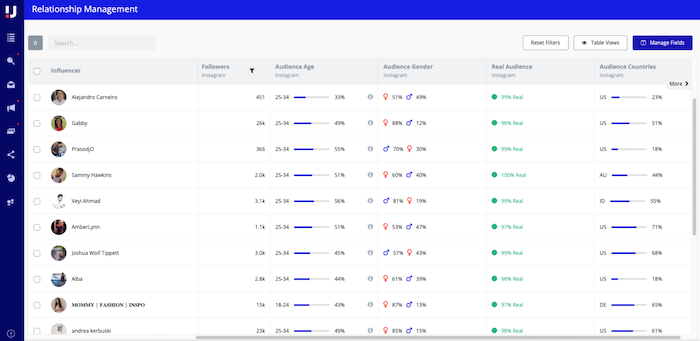
Upfluence, for example, primarily pairs businesses with Instagram influencers, but there’s some scope to access influencers working on TikTok and Facebook, too:
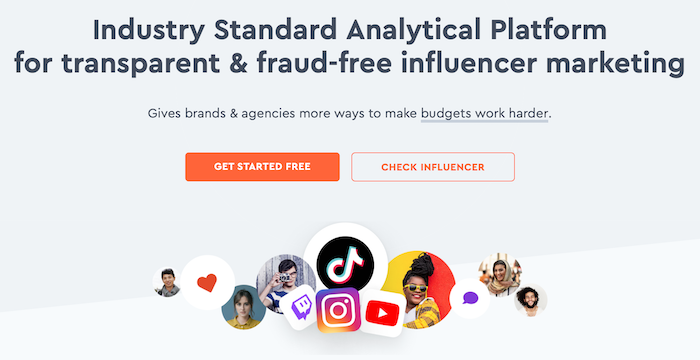
While HypeAuditor matches you with influencers working across the likes of Twitch and YouTube:
There’s a huge range of marketplaces out there, so be sure to explore your options. Here are a few things to consider:
Platform Fees
Whichever marketplace you choose, you’ll usually pay a fee for signing up and using their services, so be sure to factor in the cost before you join.
Some platforms, though, like Influence, let you set up a basic account for free. The problem? You’re limited in terms of how many messages you can exchange each month, and how many profiles you can see in the search results. While this might work for one-off campaigns, it may be less sustainable for long-term influencer marketing.
Weigh up the pros and cons of the different fee structures before you commit.
Influencer Marketplaces Vs. Influencer Agencies
We touched on this earlier, but to be clear, influencer marketplaces and influencer agencies are totally different things.
Influencer marketplaces allow you to work directly with your chosen influencer. You put your brief out there and look for talent.
Influencer agencies, on the other hand, do some of this work for you. They vet their influencers against your brief and select the ones they think are best suited to your needs.
You can use both marketplaces and agencies if it suits your marketing strategy. Just bear in mind that they’re not the same thing.
In short, think of influencer marketplaces like a matchmaking service. While there’s no guarantee you’ll find the right influencer to collaborate with, there is a chance you’ll find a long-term creative partnership.
How to Use Influencer Engagement Marketplaces
Are you excited to give influencer marketplaces a try? Great! Before you jump into a subscription, though, here are some steps I suggest you work through.
Identify Your Goals
Before you even join an influencer marketplace, be clear on what you’re trying to achieve. For example, are you trying to increase sales, generate hype around your brand, or boost your engagement levels?
Jot all your goals down and try to identify which one is your priority.
Next, clarify your target audience and how they best respond to influencer marketing. That way, you can figure out precisely what role the influencer will play in your campaign.
As an example, say you’re a brand looking to launch a new product aimed at millennials on Instagram. You want to build hype and increase sales. Your main goal is to sell the product, so you’re looking for influencers who can not only help you but who can speak your target audience’s language.
Determine Your Budget
Once you know what you need from an influencer marketplace, it’s time to set your budget. How do you know what’s a “fair” amount to pay your influencer, though? Unfortunately, there’s no right answer, but asking yourself the following questions can serve as a guide.
First, what kind of content do you need? You might, for example, pay more for an in-depth product review video than a few short posts on Instagram.
Next, which platform are you targeting? Each platform requires different creator resources, so they command different rates. On average, you might pay an influencer $10 per 1000 followers for an Instagram post, but that goes up to $25 for a Facebook post.
How big is the influencer’s audience? The bigger the influencer, the more they can charge for their time.
Finally, is it a one-off or long-term campaign? You could potentially get better rates if the influencer knows they’ll get steady work from you. Seasonal campaigns could cost you more, since there’s higher demand around this time.
Don’t forget you’ll need to budget for a monthly or annual marketplace subscription, too. Be sure you can afford the fee before you sign up.
Research Influencer Marketplaces
Should you join every influencer marketplace out there? No.
Instead, research your options and choose one or two platforms to start out with. Here are some tips for moving forward.
Ensure the marketplace is focused on your industry. For example, if you’re a fitness brand, don’t join a marketplace with only culinary influencers, and so on.
Make sure the influencers on the marketplace actually work on your chosen social media platforms. Why join a YouTube marketplace if you’re only marketing on TikTok?
Check the marketplace hosts influencers in your price range. There’s no point opting for a platform where you’ll only find hugely popular influencers, i.e., those with a million or more followers, if your budget doesn’t allow for this.
My suggestion? Look to see if a marketplace offers a free trial, or at least a free membership option, before you commit to a paid plan. This lets you test out the platform without putting a dent in your marketing budget.
Remember, if you’re unhappy with the results, you can always review your strategy and try out different marketplaces. Influencer marketing is flexible like that.
Find Influencers Who Fit Your Business
You’ve set a goal, determined your budget, and signed up with a marketplace. Next comes the hardest part: finding the best influencer for your needs.
Honestly, there’s no “right” way to go about this. However, here’s what is most important to consider when shopping for an influencer.
Engagement
If followers engage with an influencer, for example, by leaving comments or sharing their content, there’s a good chance you’ll see better engagement on your content. Influencers with large follower counts but low engagement levels may not be the best fit.
Authenticity
Authenticity matters. In fact, according to Stackla, 90 percent of customers value authenticity when choosing which brands to buy from, so any influencer you work with must come across as “real” and authentic.
Reach
To be clear, you don’t need influencers with millions of followers. For some niches, it’s even better to target influencers with much smaller audiences, but higher engagement levels.
As a general guide, reach matters, but it may be less important than engagement.
Resonance
Does the influencer resonate with your brand identity? If not, it doesn’t matter how impressive the influencer’s follower count is: they won’t help your marketing strategy in the long run, and they may actually deter your target audience from shopping with you.
Determine Performance Metrics
You need to find a way to track your marketing campaign to ensure it’s working for you. How do you do this? By tracking key performance indicators, or KPIs.
The KPIs depend on your overall goal, but common metrics worth tracking include your impressions, engagement levels, follower count, and conversions.
Ultimately, it’s an influencer’s job to leverage their followers to your advantage, so if you’re not getting more traffic than usual, there could be a problem with your strategy.
Here’s the bottom line, though. You’ll know if your influencer marketing is working if you achieve your goal. In other words, if you set out to sell more products, the campaign most likely worked if you sold more products!
Unsure how to measure your performance? Be sure to check out our consulting services.
Review Your Partnerships Regularly
Just because an influencer comes across well on a marketplace doesn’t mean they’re the best fit for your business. Maybe their communication style doesn’t mesh well with yours, or you just find them difficult to work with.
Whatever the reason, it’s okay to cut ties. Just remember that if you do end your contract with an influencer, do it professionally. Influencers talk, and you don’t want a reputation as a difficult client!
Conclusion
Influencer marketplaces make it easy to match influencers and promoters who can help grow your business and generate hype around your products. That said, these marketplaces aren’t for everyone, and you might prefer curating your list of influencers and reaching out to them directly.
My suggestion? Spend some time researching the different marketplaces before you commit to a subscription, and remember to keep a close eye on your metrics to ensure your influencer partnership is working for you.
Are you in a crowded industry and can’t seem to stand out? Does your brand operate in a niche with a small audience? If you answered yes to one of those questions, then you know reaching your target audience is no walk in the park. That’s exactly why you must leverage niche marketing. What Is …
Diane talks with Rep. Jamie Raskin, Democratic Congressman from Maryland, about leading the second impeachment of Donald Trump and his hopes for the new Biden administration.
But Apple’s success isn’t just a matter of making a lot of money, or selling a lot of products. How many brands that have completely changed the game in their niches the way Apple has?
Not only that, but Apple’s done it several times over, despite some strong criticism from the naysayers. The iPod, the iPhone, the iPad–all of these products pretty much revolutionized their respective market “space.” Their success is a direct result of their marketing strategies.
Apple’s marketing mix creates raving fans who stand in line for hours and hours on end, just to get the first iteration of any new product the minute it’s released throughout social media.
Apple does what it does so well that there are whole websites out there devoted to nothing but Apple products and Apple marketing. Even high-end journalistic publications like The Atlantic write endlessly about the company, dissecting what it does and how it does it.
Apple goes way beyond the “computer brand” label — they create products for their target market, loyal customers that believe make these products life better, easier, more fun, and cooler.
How on earth do they do it?
Well, design and utility are just two of the reasons behind Apple’s success and certainly give it a competitive advantage.
But, more importantly for you and me, Apple’s secrets for transforming casual purchasers into brand ambassadors can be applied to just about any business in any niche or industry.
In this article, I’m going to reveal seven pillars of Apple’s world-famous marketing mix that you can adapt for your own business.
1. Rethink the Need for Advertising
It’s tempting to drop lots of cash on PPC ads with Google or Facebook when you want to increase your sales revenue. But, Apple knows that’s not always necessary.
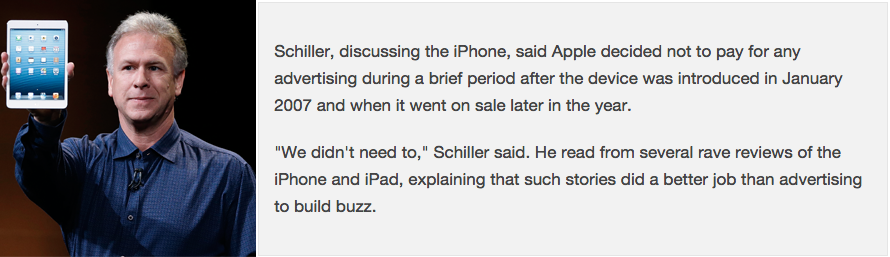
In fact, Apple relies most on two completely different strategies: product placement (especially with celebrities and in popular shows) and the buzz created by positive reviews in the media.
Even if you don’t have Apple’s resources and budget, you can still take advantage of this approach to increase your market share. But, you may be asking yourself “How could I possible implement this Apple marketing secret in my own business?”
Well, it may not be possible to put your product in the hands of a Kardashian, or on the set of a popular TV show.
But, you can absolutely approach insiders and influencers. If you persuade an influencer that your product or service is worthwhile and relevant to their audience, they’ll share it with their followers.
Another way to use this Apple secret is to embrace a free trial program. Offer a free trial of your service or product, in exchange for a positive testimonial.
If a free trial of your product isn’t feasible, then get in touch with your existing satisfied customers and ask for a positive testimonial or review.
Publish those testimonials on your site. This isn’t a difficult component of your marketing mix to develop.
I’ve been publishing testimonials from my satisfied clients on this site for some time now, and I can attest to the fact that they help persuade prospects to convert into clients and subscribers. You’ll see some of those testimonials on this very page.
Don’t forget to attribute each testimonial with an image or avatar, the person’s name, and a link back to their own website, if possible. This adds more social proof to the customer’s positive review of your brand and gives greater legitimacy to your target market.
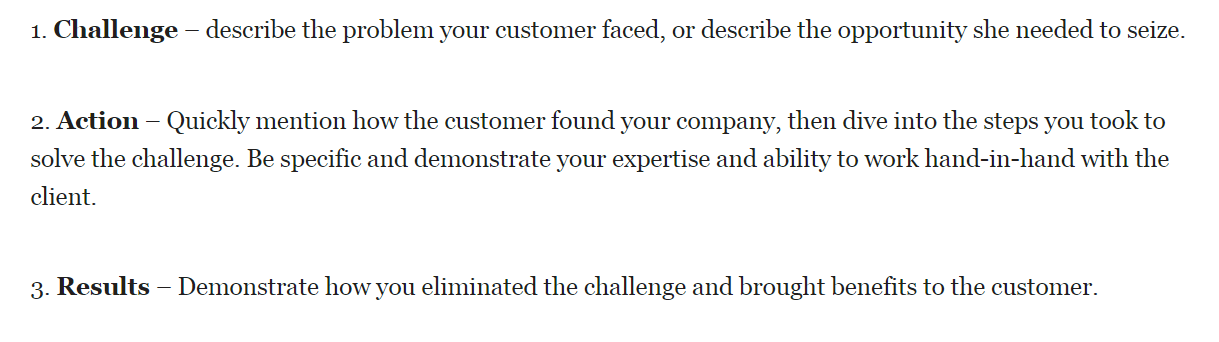
You can also implement this winning Apple strategy by creating more case studies.
Consider using this outline to create your case studies:
Last, but far from least, if you are going to launch a PPC ad campaign, make sure you go about it the smart way.
Choose your PPC network carefully; create a clean, well-written landing page with a clear call-to-action and make sure your ad copy and landing page are completely aligned.
If you need more help with PPC ads, the following resources will help:
2. Avoid Price Wars by Emphasizing Your Unique Value Proposition
Many entrepreneurs believe – falsely – that they have to compete on price. Nothing could be further from the truth.
In fact, competing on price can actually hurt your business.
Apple knows this and has never wavered on its pricing strategy.
Dropping prices and competing on price leads to a “race to the bottom.” If you’ve ever looked at job boards for freelancers, you might see some strange things. For some sites, the going rate for a blog post is $10, or even less!
This might sound like a great idea, but it’s really short-sighted when developing market share. “You get what you pay for” has never been more true than when businesses and freelancers try to underbid each other. Content marketing requires quality and it will be hard to get that for dirt cheap rates.
Your $10 post is almost certainly going to be poorly written, with no exclusive research or data to back up opinions. And, that post could simply be regurgitated from someone else’s site – or even outright copied, word for word.
Even Copyscape can’t protect you from junk content. The foundation of content marketing is quality content as the cornerstone of a marketing mix.
That’s because no freelancer could survive on $10 per piece, unless they can create each piece in bulk. But your marketing strategy won’t survive if you don’t work on smart quality.
Instead, do what Apple does.
Apple focuses on their UVP (unique value proposition), which is beautiful design that works right out of the box with ever-smaller packaging. It’s a marketing strategy that gets juice throughout social media and is very much a competitive advantage for Apple and its market share.
What about cost? Well, let’s just say Apple is absolutely not competing on price! In fact, you’ll almost certainly pay more – sometimes a lot more – for an Apple product than you would for a competitor’s version of the same product.
Take some computers, for example – let’s say, two similar laptops, like the Microsoft Surface Pro, which costs about $900. Apple’s Macbook Pro, on the other hand, costs over $1,200.
How can Apple keep its fans with a pricing strategy so much higher than the competition?
It’s because Apple doesn’t view PCs as competition. Where others focus on a single killer feature through a variety of content marketing, Apple focuses on the entire product, and it shows.
In fact, Apple routinely earns its higher prices with top-of-the-line features and specifications.
You can implement this same strategy, no matter what niche or industry you’re in and regardless what your business model may be.
Whether you’re selling products or services, the key to making this strategy work for you is to make sure that you justify that higher price to capture your market share.
For SaaS companies, that could mean creating a higher degree of personal service or a full money-back guarantee.
For coaches or consultants, the competitive advantage could mean beautifully branded deliverables, in addition to work sessions or Skype calls.
You can also follow Apple’s example by offering a variety of options for your products and services at different price points. For instance, Apple’s Macbook laptop line offers larger screens and other enhanced features, for a higher price.
Yes, Apple is like the Rolls Royce of technology products with a retail store design that look more like a show room. Their customers are more than happy to pay that premium, because they know they’ll get their money’s worth.
3. Keep Your Marketing and Your Products Simple
More isn’t always better.
Apple understands that technology consumers often get overwhelmed. That’s true of other niches and industries, as well. Overwhelm can create a confusion in a marketing mix.
Apple reduces that consumer confusion by simplifying their web and sales copy. They completely eschew jargon or industry terms. Instead, they use simple, direct words and they continually stress the benefits that consumers absolutely need and will be thrilled by. This is part of their brilliance in content marketing; high tech without high tech terms.
This approach doesn’t confuse their customers with too much information. As Leonardo da Vinci said,
Simplicity is the ultimate sophistication.
Apple keeps it simple and their customers love it giving them a loyalty with market share that is unprecedented.
Apple also follows through with this principle in the ads it does run. Remember those classic “Mac vs. PC” spots?
What Apple’s ads and marketing strategies convey isn’t specifications and features, but rather how the product can change your life and make it better.
But Apple doesn’t stop there. This is just step one in their marketing strategies.
They carry this philosophy of “simpler is better” through to their product lines, too. They don’t overwhelm prospective customers with too many choices, parameters or options. An Apple retail store is designed for test driving products not grabbing boxes.
Even the products themselves are kept sleek and minimal, with simple color schemes and clean, uncluttered design. The names are short and easy to remember, including the “app store” that has made third party partners huge successes.
How can you follow Apple’s marketing strategies in your own business to capture the biggest market share?
Start by making sure your website and blog have scannable content. Research shows that only 16% of website visitors read every word on a page. The vast majority of users – 79% of web users, in fact – simply scan the page. This is imperative in understanding your content marketing and potentially using social media with smaller bits of digestible date.
To make your content scannable, use bullet points to convey benefits. Make sure that your headings and subheadings are clear, vivid and surrounded by plenty of white space. Easy to read means the target market will stay on the page and come back, increasing your market share.
Look at my homepage here, to see how I’ve done it:
You’ll notice in the above screenshot that I haven’t cluttered up the page with tons of text. There’s lots of white space surrounding the bullet points and only one image – mine – to call attention to the bullet points.
Don’t try to put every single feature of your product or service on the page.
Instead, focus on the most valuable UVP for each product. Then, stress that.
Select a clean, minimalist design for your landing pages. Reduce clutter around the important sections of your page’s content, such as sidebars and widgets. Then, the user’s eye is drawn to the product or copy itself.
Finally, if you have the budget, I’d recommend hiring a professional copywriter, especially on crucial product and services sales pages. It’s not easy to give enough information to trigger a conversion or a sale while still keeping that streamlined, simplified approach.
4. Know Your Audience and Talk to Them in Their Language
It’s not that Apple doesn’t mention product specifications and technical details at all. In fact, every product page on the Apple website does mention those things.
But, they put it below-the-fold. Visitors to Apple’s website first have to scroll past beautiful product images and large-font simple copy telling them about the product’s benefits.
Initially, Apple customers won’t find words like megabytes or gigahertz. They find words they know and understand:
“edge to edge glass”
“retina display”
“LED backlighting”
Apple knows its customers very well and has developed loyalty in their market share. And, they know how to speak to them in the language that makes them feel comfortable, not overwhelmed and confused.
The products themselves are a marketing mix that show off their relevance to the way Apple’s customers actually live their lives. For instance…
The iPod isn’t just “a music player and storage device” – it lets you store hours of music in your pocket.
The iMac isn’t just “a computer” – it helps make your computing experience exciting and pleasurable.
The iPhone isn’t just “a smartphone” – it lets you put the power of an Apple computer in your phone.
Is your website copy speaking your prospects’ language? Creating a customer profile for each of your main audience segments is the best way to find out. This helps develop the content marketing strategies specific to your audience.
Even better, the process of creating these profiles will help you to understand your audience much better. Then, you can give them what they’re looking for – and make your content even more appealing and valuable to them.
Here’s how to make sure that you’re talking to your users and customers in a way they understand and feel comfortable with.
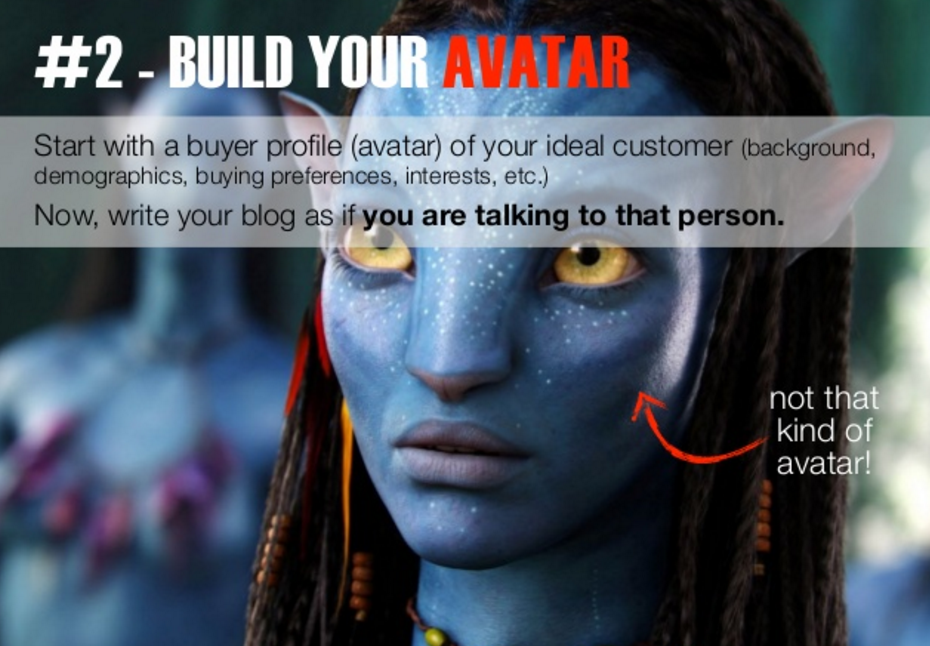
Create Customer Profiles
Create customer personas for each major audience segment of your business. The more detailed these profiles are, the more useful they’ll be and beneficial to your marketing strategy.
Include factors such as age, gender, profession and other demographic information, plus psychographics – their pain points, fears, desires, etc. What motivates them to buy? What do they need before they’ll trust you? How can you fill that need?
You may have more than one profile expanding your marketing mix – e.g., older couples whose kids have already left home, singles who’ve graduated from college and haven’t married or had kids yet, etc.
Name Your Profile
Name and find a picture of a person – either from Google Images or a stock image site – that matches the profile. The idea here is to make each profile seem like an actual, living human being.
Here’s an example of a built-out customer profile, complete with name and picture, from Convince and Convert:
Speak Their Language
Speak to these people in your marketing copy, with the language they understand. Look at each page on your website and revise anything that doesn’t sound like the way you’d actually speak to these folks.
Pretend you’re actually speaking to that person and your copy will appeal strongly to similar customers.
You can also carry that same customer-centered approach throughout every aspect of the customer’s journey, including customer service. Yes customer service is a key component in marketing strategies to develop loyalty and retain your market share.
Let’s say that you’re serving an older generation. Don’t force them to use a chat-based system for customer service. Give them a phone number and a person to speak to. And, make sure that your website copy is large enough for older people to read. Giving people what they want is how you capture greater market share.
Millennials, on the other hand, prefer chat-based systems, since they’re faster and easier to use for that generation. Don’t make these customers pick up the phone, when they really prefer to type out their problem and get an instant response. Understanding this diversity of your customers helps you develop the right marketing mix.
5. Design a Better Customer Experience
Did you know Apple fans often create videos of themselves unwrapping their new Apple products and upload the video to YouTube?
It’s true. It’s called unboxing. Do a search on YouTube and you’ll find hundreds of Apple unboxings, each from different users across the globe.
Why does that happen?
Because Apple has created a customer experience that goes far beyond the actual purchase in a retail store. They no longer even need to be in charge of a huge part of their content marketing since their target market is doing it for them.
The “Apple experience” includes elements from every aspect of the purchasing process – comparing different product versions, trying out products in the retail store, actually buying the item, receiving it, unwrapping (sorry, unboxing) it, and setting it up.
Each of these elements doesn’t just happen by chance. They were all carefully crafted, revised and refined to appeal to the consumer’s every sense.
Take installation, for example. One of the things Apple fans truly appreciate about Apple’s computers is the ease with which you can set them up. It’s literally as simple as opening, plugging in, turning on and, voila – it all just works.
Yes, Apple spends thousands of hours on testing and designing and refining those designs. They do that so that what’s inside the box matches the box, and the box matches what’s inside.
The Apple retail store experience isn’t just a quick trip for most people. Most people who enter an Apple store end up staying in the retail store, trying the products, asking questions of the “geniuses” who work there – and many of them walk out with a new purchase. The Apple retail store inspires purchases.
The retail store is carefully designed and replicated to evoke the right “feeling” when you step inside. Warm lighting, monochromatic color schemes, and the layout of the store features all appeal to the shopper’s senses, without feeling cold and impersonal. Even the large front windows that let people outside see everyone inside having a great time are intentional.
To implement Apple’s “eye for design” secret, start by charting out your customer’s experience with your brand. Note each major step and where it takes place (i.e., on your Facebook page, a specific page on your website, etc.).
Next, analyze each piece of that “experience puzzle” and score how well it fits with your overall brand. What can you improve?
Think about ways that you can make each point of contact with your prospect or customer cleaner, clearer and simpler. Make each part of the journey more consistent with the look, feel, visual branding elements, and personality of your brand.
Then, think about going even further. What could you do to delight your customer?
That’s the Apple way!
6. Aim at Your Prospects’ Emotions
Think back to the first ads for the iPad, after its buzzy launch in 2010 and how simple their content marketing was.
Remember those images of people relaxing in the living room with the strange new gadget? They looked happy and comfortable.
They weren’t talking about display dimensions or processing power. They were just enjoying their iPads.
Those ads, as with all of Apple’s marketing, hit their consumers where they really live – not in the pocketbook (we’ve already seen that’s not true at all!) but in their hearts.
Emotional connections are the key to successful marketing strategies. It’s what makes certain stories, videos, and memes go viral.
Dr. Jonah Berger’s famous study showed that content that evokes high arousal emotions is more likely to go viral than content that provokes no emotional response. Examples of high arousal emotions are happiness, awe, amusement and anxiety.
Moreover, positive content is more likely to go viral than negative content. Positive emotions simply trigger a stronger reaction in users’ brains than negative ones. These are simple marketing strategies.
In his book, Descartes’ Error, author Antonio Damasio, a professor of neuroscience at the University of Southern California, states that our emotions play a crucial part in our decision-making processes, especially when we’re buying something. Marketing strategies must start with emotion.
And, neurological science tells us the same thing. Functional MRI tests prove that when consumers evaluate businesses, they primarily use the parts of their brain associated with emotions, personal feelings, and memories/experiences, not the portions associated with facts.
Above all, you’ve got to understand and publish the kind of content that your target audience wants most of all. Smart content marketing gets you the most on the web’s leading social media networks? Turns out, it’s content that evokes either awe or laughter – or both.
The testing team at BuzzSumo wanted to understand just what makes content go viral and get shared thousands of times by users. So, they teamed up with OKDork and conducted an extensive study about the marketing mix in social media.
First, the team identified the most shared content all over the web, within a specific time period. Next, they mapped each of the articles to a specific emotion, such as joy, anger, sadness, happiness, laughter, amusement, empathy, etc.
Here’s what the breakdown they created looked like:
You can see from this chart that the top two emotions that the most viral content evoked in readers were awe (25%) and laughter (17%). Similar emotions, such as joy and amusement, accounted for another 29%.
What this means is that if you can quite literally make your readers happy with your content, you’ve really hit the target.
To evoke and build on your customers’ emotions the way Apple does, use emotional language in your copy where it makes sense to do so. Make sure it flows naturally. One way to do this is to use emotion-trigger words in your copy to develop smart content marketing material.
Tip: To make sure copy flows naturally, record yourself as you read it aloud. Then, play it back. If it sounds stilted or formal, revise it until it sounds more conversational.
Also, think about what emotional impact your product or service evokes in your customers. Then, look for or create images to use that evoke that same emotion.
Here’s an example: JustGiving, the world’s leading online fundraising platform, raised almost $1.5 million for its charitable partners. Look at this landing page image that the site uses:
What emotions does this image evoke for you? Personally, I see joy and awe – skydiving has got to be one of the world’s most awe-inspiring activities, after all.
There’s also the empathy and happiness that being generous and giving to worthwhile causes can create for people making charitable donations.
Finding the right images for your content can take some time and patience, but it’s so worthwhile. Images not only create visual interest on your page and break up long blocks of boring text – they can also help communicate your message and convert readers to subscribers.
In fact, I believe so strongly in the power of great images and screenshots that I routinely use as many as sixty in a single post – but I always make sure they add value, as well as depict the right emotional state in my readers. This is part of my marketing mix.
7. Build a Community of Users or Customers
Over the years, Apple has built one of the most hardcore fan bases for any brand, anywhere in the world.
The “fanboys” (and “fangirls”) who camp out for new product launches may represent a small percentage of Apple consumers overall, but that kind of fanaticism and enthusiasm are rare.
Apple has created a brand personality and culture that’s cool, fun, and friendly — the opposite of some of its competitors. Apple’s marketing strategies include making customers want to belong to that community. Their market share shows just how successful they have been.
Do you remember Apple’s “Think Different” ad campaign? It started with voiceover narration that said “Here’s to the crazy ones. The misfits. The rebels. The troublemakers.” Haven’t we all felt like that at one time or another in our lives?
Apple smartly capitalized on the universality of that self-perception, which made its customers believe that the brand understands them and is like them.
Even small brands can build a community of devoted users and customers. You can start building a community before you even offer the first item for sale.
The first and most critical step to take in building a strong, vibrant and engaged community of users is to get crystal-clear on your brand values and personality.
You have to create a vivid and accurate picture of your brand in your own mind first — your brand’s core message, its deeply-held values, its personality and what it stands for above all else.
Then, your next step is to make sure that your pages, marketing copy and content all express those values and that personality. Every aspect of your website should be consistent with those words you chose to describe your brand, from graphics to fonts to color scheme.
Last, but not least, show your readers and users you value them, as well as their opinions.Let them know that you’re deeply interested in them with your content.
How can you do this effectively on the web? You can try any or all of the following tips to start with:
Try to initiate conversations with your users/readers on social media.
Create a referral reward program for customers who refer other new customers.
Reach out to customers with email.
Conclusion
One of the fastest ways to achieve a goal is to model those who’ve successfully achieved that same goal before.
Apple, the app store, and their retail shops are role models for any smart, modern brand that wants to create a raving fan base and super-loyal customers who will refer their friends and family members.
The idea isn’t to mimic Apple. Rather, get a sense of what Apple – or any other successful business – does well, then find creative ways to do the same in your business, always keeping the marketing mix consistent with your brand.
You can learn a lot from your competition, too. Competitor analysis can tell you what they’re doing right and what you can learn from and implement in your own marketing.
What other lessons can you draw from Apple’s marketing efforts?
Backlinks refer to URL links from other websites that point back to your website. Yes, it’s all in the name. They are links back to your website.
Backlinks are an important component of a successful SEO strategy. Nurturing a network of backlinks from various sources can improve your site’s relevancy and reputation with search engines.
However, not every backlink is equal. Some can drive major traffic and improve your SEO. Others reflect negatively on your site.
Luckily, there are ways to find those bad backlinks and clean up your link profile so your overall optimization improves and users can find your site.
Good Vs. Bad Backlinks and Why It Matters
In the epic struggle between good backlinks and bad backlinks, the source matters. That’s really what it comes down to when determining whether a link is good or bad.
Let’s take a few steps back and talk about why search engines care in the first place. Why do they give merit to the sources of some backlinks while dinging others?
We all want to give our customers the best experience with our products or services.
Search engines, like Google and Bing, are no different. They also want customers who come back again and again because their experience was great.
How do you have a great experience on a search engine? You get the results you are looking for and find trustworthy websites that answer your questions.
Search engines prioritize websites with a positive reputation online. For backlinks to be effective, however, the websites linking to you need a good reputation as well.
How do you know what a good backlink is?
The best links happen organically (meaning you don’t pay or trade for them), add value to the website, and help the user better understand a topic. Sites that provide useful content to their users are generally a source of good backlinks.
Bad backlinks are pinged by search engines and lower your appearance in search engine results, are the opposite. They are artificial, forced, or irrelevant. They may be outdated, come from spam sites, or they might be from another site you own.
5 Bad Backlink Types to Watchout For
As you are working on your website’s search engine optimization, keep in mind there are several types of bad backlinks you don’t want.
In general, you want to avoid anything that feels disreputable or too good to be true. SEO takes time and doesn’t happen overnight. As you’re reviewing your SEO game, these are five of the most significant types of backlinks to avoid.
1. Links From Spammy Sites
Spam is not always easy to define, yet most of us know what it is. It’s ads irrelevant to you or sites that talk about illegal or predatory products. With spammy backlinks, it’s no different.
These are links back to your site from places you just don’t want to be associated with your brand.
It’s usually more than that. It’s not just a single backlink from a random competitor; it’s irrelevant links from places that could tarnish your brand’s reputation.
Some have described these types of spammy sites online as three Ps – pornography, pharmaceuticals, and poker. We’ve all had to remove these types of comments from blog posts and social media comments.
Your website could be receiving backlinks from these kinds of places and search engines may penalize you, especially if you start receiving tons of spammy backlinks.
If you’ve never researched your backlinks, now is the time. Use our Backlinks tool to get a list of backlinks to your site. Read through them, and you’ll start to notice the spammy ones.
What can you do once you start to notice those spammy bad backlinks?
Remember, though, that one or two spammy links won’t kill your site’s SEO, so handle it accordingly.
Google’s algorithm tends to ignore these kinds of bad backlinks when assessing your SEO. However, if you, or an SEO specialist you are working with, find an exorbitant number of these backlinks, it may be worth disavowing them.
2. Links From Link-Mill Websites
Link-mill websites or paid link schemes have been popular for years. It’s easy to see why. They bring the number of backlinks many site owners think they need to up their SEO game.
The problem is more links aren’t always a good thing, especially when they come from dubious sources like link mills.
In general, Google and other search engines have worked to make their algorithms less manipulatable. In other words, they don’t want search engine results to go to the person who has purchased the most backlinks.
Google refers to these as link schemes, and can include links earned in exchange for money or other resources. This is especially true for batches of links or quick and easy link building.
There’s a good chance you’ll come across all kinds of opportunities that fall into this category. Anyone promising tons of backlinks that are sure to improve your SEO fast for cash fall into this category.
Large amounts of low-quality bad backlinks aren’t worth it in the end. Search engines keep getting smarter and no matter how clever the latest scheme seems, it’s going to be found out eventually.
What’s the alternative? In the same article about link schemes linked above, Google recommends creating high-quality marketing content. Links aren’t about quantity; it’s about quality.
Of course, you want to create consistent content over time, but keep it excellent. When you create content real people want to read, they’ll start to share it and use it as references in their content. That’s how natural, high-quality backlinking happens.
3. PR Release Links
Press releases can be a source of bad backlinks. But that doesn’t mean every press release opportunity is going to penalize your website.
But here are the specifics. Yes, you can still create quality news releases and pitch them to relevant news sources.
You should, however, avoid filling a press release page with dozens of keyword-heavy links back to your site and then spamming it to dozens of newswires. The problem really comes in when brands do this repeatedly, trying to build backlinks to up their SEO.
It’s about trying to manipulate the search engines. SEO takes time. Trying to make it happen with seemingly simple solutions, such as pumping out link-laden press releases, just isn’t going to work.
Search engines have gotten too smart and will either ignore or penalize these methods.
4. Links From Sites Unrelated to Your Industry
We’ve been talking a lot about spammy and slimy backlinks, but sometimes bad backlinks are just not relevant to your business or valuable to your readers.
For example, if you run an e-commerce pet store, a link from a pet grooming site might be useful—it’s relevant to your audience. A link from an Italian cheesemaker, not so much.
Not every backlink is a great one if it’s wildly irrelevant or from somewhere completely unrelated to what you do. I’m not just talking about those three Ps we mentioned above.
When you’re starting to build backlinks to your website from fields and industries not related to your own, it can create confusion.
If a lot of backlinks come from places unrelated to your brand (i.e. using key terms unrelated to your brand), things can start to get muddled. Suddenly, search engines start thinking unrelated keywords are relevant to your brand, and you can start falling in results for keywords that actually matter.
On NeilPatel.com, we write about anything related to digital marketing, including how to create an Instagram bio, how to build backlinks, and even how to help your mobile site rank faster.
If I started writing about the best dog leashes, that would probably confuse the search engines. They’d think I should be ranking for that and dilute the rankings for terms I do want to rank for.
How can you remedy this one? If these backlinks are spam, as we discussed above, you don’t have to worry much about. Search engines are smart enough to ignore them, and you can disavow them if necessary.
However, these types of links tend to be related to your content marketing strategy. If you’ve started writing about a topic completely unrelated to your brand, you may start receiving a lot of backlinks from other places linked to that topic. Search engines may focus on that rather than your brand’s primary topic.
If this sounds like you, it is time to get your brand back on track. Start moving that unrelated content to other websites and build that reputation on a new platform while creating more content relevant to your industry.
5. Discussion Forum and Blog Comment Links
In the early days of the internet, discussion forums were all the rage. Even in our more modern online age, sites like Reddit prove that discussion forums are a popular place to chat with others interested in similar topics.
It’s a great way to get information about your car model, how to create the latest fad DIY, or get really geeky about a topic you love.
So go ahead and post and share in forums that get you excited. Have real conversations. These are not the kinds of activities that will get you pinged, even with a backlink.
However, as we have talked about before, avoid spammy manipulation moves. You’ll want to avoid tossing links randomly across the board, pun intended.
Not relevant, and those links aren’t going to help their site at all.
Search engines can spot when backlinks are just keywords filled with links on forum after forum. They are becoming smarter, thanks to AI and natural language processing, and notice when it’s not a conversation, but a broadcast.
As you research backlinks to your site, if you find a batch from any discussion forums, you can disavow them as we discussed above. If anyone you hire is creating these types of links, it might be time to consider hiring someone new.
Conclusion
Link building is a crucial factor in building your online marketing strategy. You want to make a natural link network across the internet to tell search engines what your brand is about and prove you are relevant to your target market.
To be effective, however, backlinks should be organic and not spammy. Identifying and removing bad backlinks can help you stay on track to improving your ranking in search engines.
Which kinds of backlinks do you need to start removing from your website?
Pipedrive | Junior Engineers | Prague, Lisbon, Tallinn | ONSITE Pipedrive is a SaaS visual sales tool for small to medium businesses. We’ve been backed with $90 million in funding since 2010 and are experiencing rapid growth. Our team is now located in five countries, building the sales tool used by over 85,000 companies. I …
This website uses cookies to improve your experience. We'll assume you're ok with this, but you can opt-out if you wish.AcceptRejectRead More
Privacy & Cookies Policy
Privacy Overview
This website uses cookies to improve your experience while you navigate through the website. Out of these, the cookies that are categorized as necessary are stored on your browser as they are essential for the working of basic functionalities of the website. We also use third-party cookies that help us analyze and understand how you use this website. These cookies will be stored in your browser only with your consent. You also have the option to opt-out of these cookies. But opting out of some of these cookies may affect your browsing experience.
Necessary cookies are absolutely essential for the website to function properly. This category only includes cookies that ensures basic functionalities and security features of the website. These cookies do not store any personal information.
Any cookies that may not be particularly necessary for the website to function and is used specifically to collect user personal data via analytics, ads, other embedded contents are termed as non-necessary cookies. It is mandatory to procure user consent prior to running these cookies on your website.


 American Express® Card